Arsenal Triumphs Over Atletico Madrid in Champions League Semi-Final
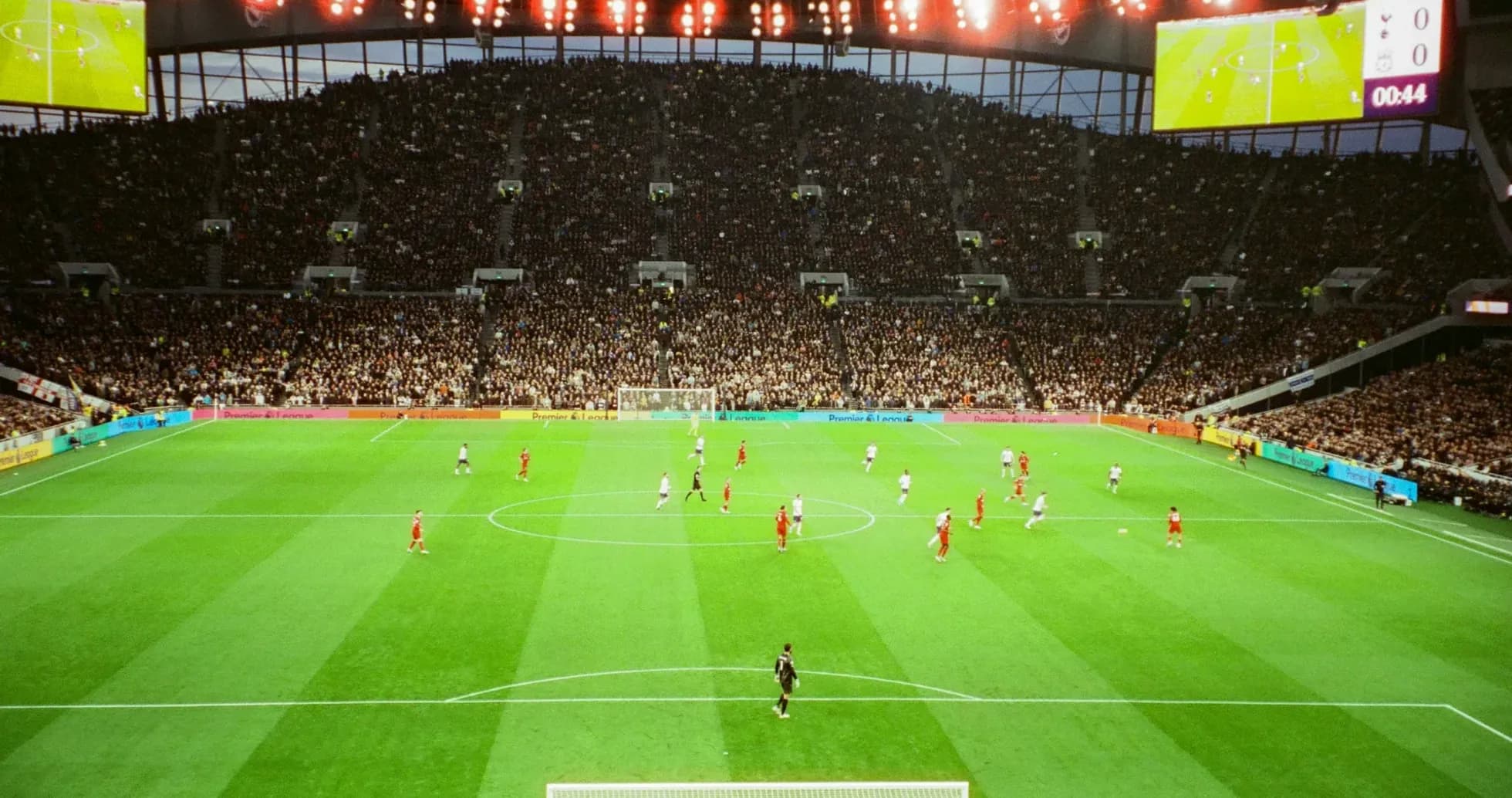
Under the Emirates floodlights, a Champions League semi-final that had been billed as a clash of ideologies ended with a single, razor-edged detail: Arsenal 1, Atletico Madrid 0. Following this result, the narrative of the campaign tilts decisively towards Mikel Arteta’s side, a team whose seasonal profile in Europe has been one of relentless control and near-flawless efficiency.
Heading into this game, Arsenal sat 1st in the Champions League standings snapshot with 24 points from 8 matches, a perfect record of 8 wins, 23 goals scored and just 4 conceded. Overall, their goal difference of 19 was the statistical expression of a side that marries attacking fluency with defensive parsimony. At home in the competition, they had won all 4 fixtures, scoring 12 and conceding 3. Atletico, by contrast, came from a more turbulent path: 14th in the same table with 13 points, 4 wins, 1 draw and 3 defeats, 17 goals for and 15 against for a modest overall goal difference of 2. On their travels they had been fragile: 1 win, 1 draw, 2 losses, with 6 goals scored and 10 conceded.
I. The Big Picture – Structures and Seasonal DNA
Arteta’s choice of a 4-2-3-1 was a subtle but telling evolution from the 4-3-3 that has been his most-used shape in Europe (9 appearances, versus 5 with 4-2-3-1). D. Raya anchored a back four of B. White, W. Saliba, Gabriel and R. Calafiori, with D. Rice and M. Lewis-Skelly forming the double pivot. Ahead of them, B. Saka, E. Eze and L. Trossard floated behind the lone striker V. Gyökeres.
This configuration leaned into Arsenal’s season-long strengths: overall they had averaged 2.1 goals for per game (2.1 at home) and just 0.4 against (0.4 at home), with 9 clean sheets in 14 matches and not a single defeat. The double pivot promised stability against transitions while still allowing the attacking quartet to overload between the lines.
Diego Simeone stayed true to Atletico’s European blueprint: a 4-4-2 that has been his go-to in 14 matches this campaign. J. Oblak was protected by a back line of M. Pubill, R. Le Normand, D. Hancko and M. Ruggeri. Across midfield, G. Simeone, M. Llorente, Koke and A. Lookman supported the front duo of A. Griezmann and J. Álvarez.
Atletico’s season numbers told of a side more open than in their archetypal Simeone years. Overall they had scored 35 goals (2.2 per game) but conceded 28 (1.8 per game). On their travels, the contrast was stark: 1.6 goals for but 2.1 against, with only 1 away clean sheet in 8 fixtures. This semi-final line-up therefore had to reconcile an attacking spearhead built around Álvarez with a defensive unit that has been porous outside Madrid.
II. Tactical Voids – Absences and Discipline
Both managers entered the tie with key absentees that subtly reshaped their plans. Arsenal were without M. Merino (foot injury) and J. Timber (ankle injury), removing a potential left-sided controller and a versatile defender from Arteta’s toolbox. It made Calafiori’s selection at left-back even more significant, as he had to provide progression and balance without the safety net of Timber’s flexibility or Merino’s midfield craft.
Atletico’s bench was shorn of P. Barrios and N. Gonzalez, both out with muscle injuries. For Simeone, that narrowed his rotation options in central areas, pushing even more responsibility onto Koke as the metronome and onto M. Llorente as the all-purpose runner who bridges midfield and attack.
Disciplinary trends hinted at where the battle might turn ugly. Across the season, Arsenal’s yellow-card timing peaked between 61-75 minutes, when 31.82% of their cautions arrived – a period that often coincides with tactical fouls to snuff out counters as legs tire. Atletico’s yellows were most concentrated between 46-60 minutes at 25.93%, the classic post-interval surge when Simeone’s side raises the line and intensity. That overlap – Arsenal trying to reassert control just as Atletico increase the press – was always likely to be a flashpoint.
III. Key Matchups – Hunter vs Shield, Engine Room
The most compelling duel on paper was “Hunter vs Shield”: J. Álvarez against Arsenal’s defensive unit. Álvarez entered the tie as one of the competition’s standout forwards: 10 goals and 4 assists in 15 Champions League appearances, with 37 shots (22 on target) and 34 key passes. He had also been perfect from the spot, scoring 3 penalties from 3 with no misses.
Yet he was facing an Arsenal side that, heading into this game, had conceded only 6 goals in 14 Champions League matches overall, keeping 9 clean sheets. At home, they had allowed just 3 goals in 7 fixtures. The centre-back pairing of Saliba and Gabriel, screened by Rice, formed a defensive triangle designed to suffocate Álvarez’s movements between the lines and attack the first ball into him.
On the flanks, M. Pubill’s duel with Arsenal’s left-sided threat was another hinge. Pubill, one of Atletico’s leading yellow-card collectors with 4 cautions, had built a reputation on aggression: 18 tackles, 6 successful blocks and 6 interceptions in the competition. His mandate was to contain runs in behind and overlapping surges, knowing that one mistimed challenge could tilt the tie.
In the engine room, Koke and M. Llorente faced the task of disrupting Arsenal’s rhythm and exploiting any looseness from Lewis-Skelly alongside Rice. Arsenal’s broader midfield picture was coloured by the presence of Martín Zubimendi in the squad, a player who has quietly set a combative tone across the campaign with 14 tackles, 5 successful blocks and 10 interceptions, but here watched the initial pattern unfold from the bench.
IV. Statistical Prognosis – xG Logic and Defensive Solidity
Even without explicit xG values, the underlying numbers pointed towards a narrow Arsenal edge before a ball was kicked. Overall, Arsenal’s attacking average of 2.1 goals per game against Atletico’s away concession rate of 2.1 suggested that the hosts could generate a higher-quality shot profile, especially given their unbeaten record and 5 home clean sheets.
Conversely, Atletico’s away attack at 1.6 goals per game was set against an Arsenal defence conceding only 0.4 overall. The gap between those curves implied that Simeone’s side would likely need either an outlier finishing performance from Álvarez or a set-piece moment to break through.
In the end, the 1-0 scoreline at the Emirates felt like the logical compression of those probabilities: Arsenal’s defensive solidity holding firm, their attacking structure doing just enough, and Atletico’s season-long vulnerability on their travels once again exposed by the finest of margins. For the second leg, the story becomes whether Simeone can tilt the balance of chance creation without sacrificing a back line that, statistically, has already been stretched close to its limit in this campaign.