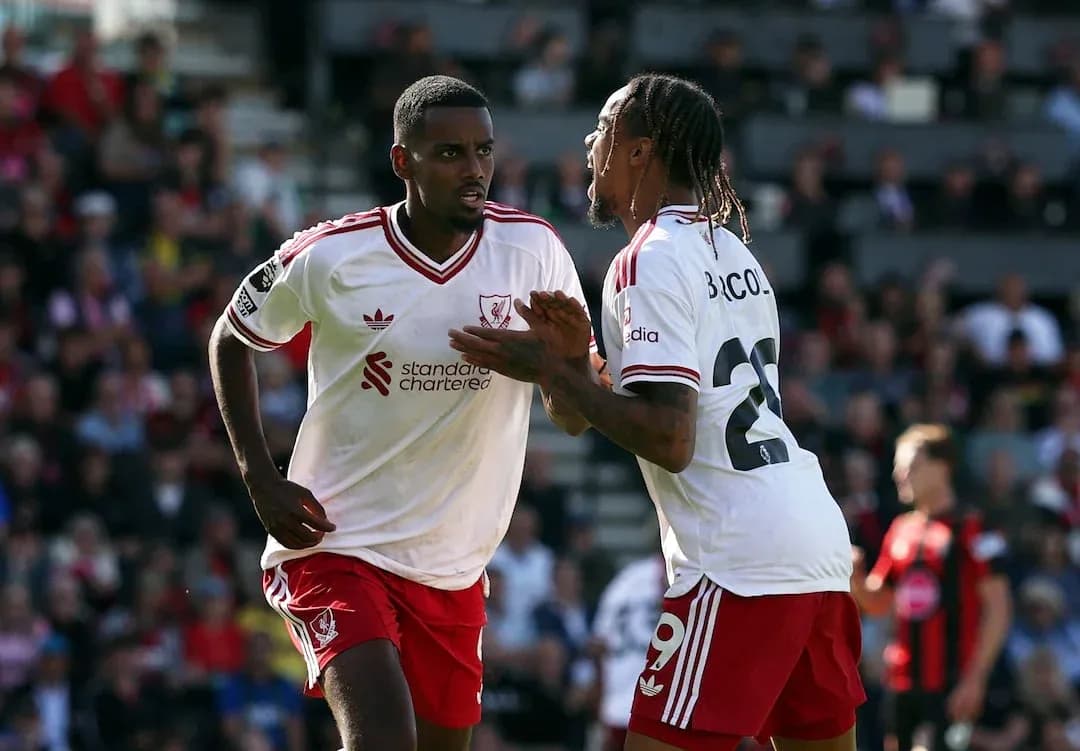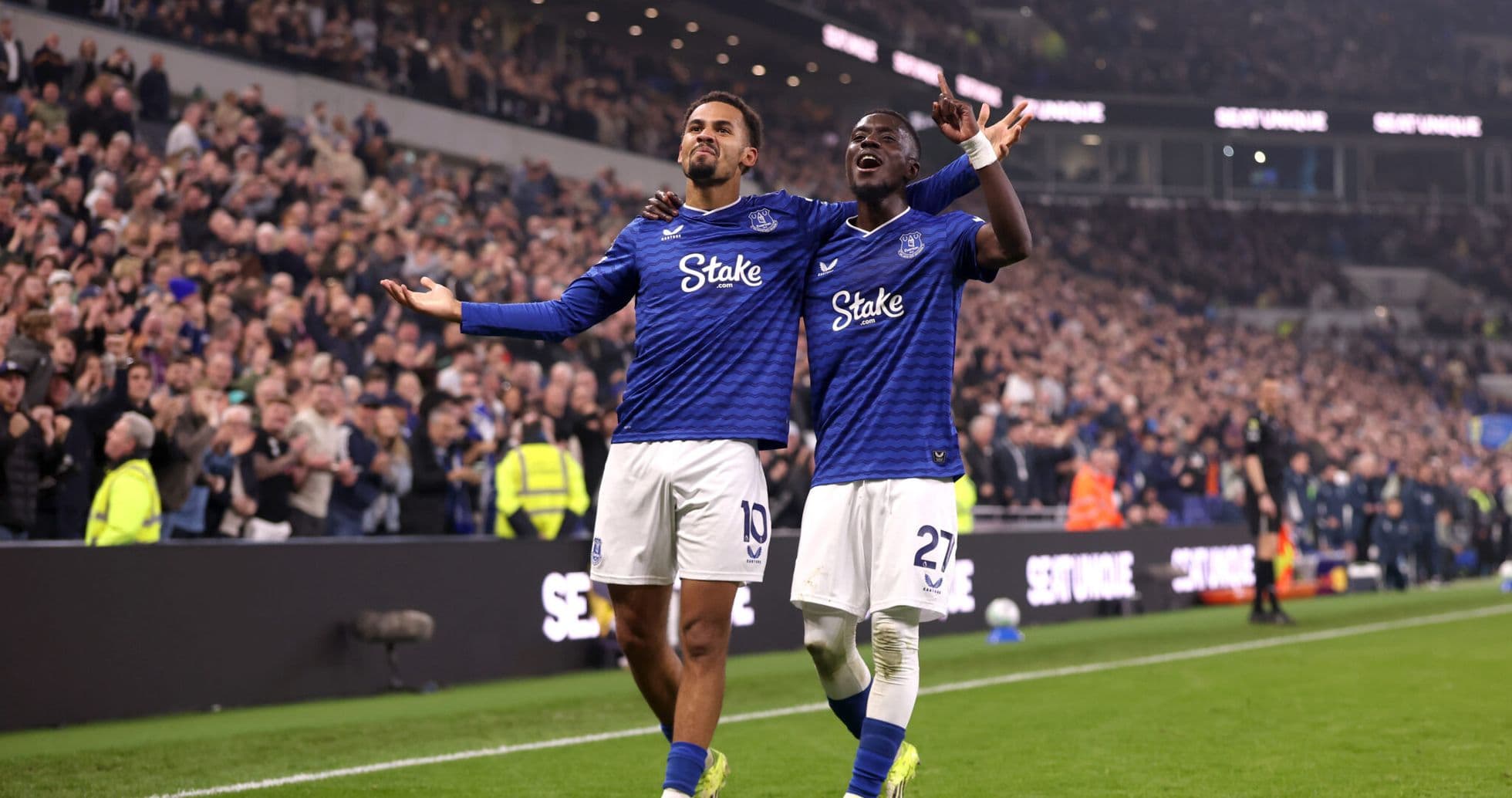
Sunderland Stuns Everton with 3-1 Comeback Victory
The late-season light at Hill Dickinson Stadium flickered and then went out for Everton. In a match that began with promise and a 1-0 half-time lead, the hosts were overrun after the interval, Sunderland storming back to win 3-1 and tilt the narrative of both clubs’ seasons heading into the final day.
This was Round 37 of the Premier League, and the table framed everything. Following this result, Everton’s campaign sits on a knife edge between consolidation and frustration: 12th place with 49 points, a goal difference of -2 built from 47 goals scored and 49 conceded overall. Sunderland, meanwhile, travel home from Liverpool with the swagger of a side that has grown into the division. They are 9th with 51 points, their own goal difference of -7 (40 for, 47 against overall) still negative but trending in the right emotional direction after a statement away victory.
Both managers leaned into a shared language: 4-2-3-1. Leighton Baines trusted a shape Everton have used in 36 of their 37 league outings, with J. Pickford behind a back four of J. O’Brien, J. Tarkowski, M. Keane and V. Mykolenko. In front, the double pivot of J. Garner and T. Iroegbunam was meant to provide control and protection, freeing an attacking line of M. Rohl, K. Dewsbury-Hall and I. Ndiaye to supply Beto.
Regis Le Bris mirrored the structure, but not the intent. R. Roefs started in goal for Sunderland, shielded by L. Geertruida, N. Mukiele, O. Alderete and R. Mandava. Ahead of them, G. Xhaka and N. Sadiki anchored midfield, with T. Hume, E. Le Fée and N. Angulo buzzing behind lone striker B. Brobbey. On paper, it was symmetry. On the grass, it became a duel of tempo, discipline and nerve.
Everton's Seasonal DNA
Everton’s seasonal DNA at home tells a story of volatility. Across 19 home matches they have scored 26 and conceded 27, averaging 1.4 goals for and 1.4 against at Hill Dickinson Stadium. Clean sheets at home (6) show a side capable of locking games down, yet 4 home blanks and 8 defeats underline why their form line reads LDDLL heading into this game. They are rarely dull, rarely secure.
Sunderland's Away Profile
Sunderland’s away profile is different: more cautious, more brittle. On their travels they have 5 wins, 6 draws and 8 defeats from 19, with 17 goals scored and 28 conceded. That is an away average of 0.9 goals for and 1.5 against. They have kept 4 away clean sheets but failed to score in 8 away fixtures, a team that often needs the game to open up before they truly appear.
In that context, Everton’s 1-0 half-time lead looked textbook: the home side leaning on familiar patterns, the visitors stuck in their away discomfort. But the second half flipped those identities. Sunderland, who overall average 1.1 goals scored and 1.3 conceded per match, suddenly found incision and ruthlessness that their away numbers only hint at. Everton, usually balanced overall at 1.3 goals both for and against per game, collapsed into the fragility their form had been warning about.
Absences Shaping Tactical Voids
Absences shaped the tactical voids. Everton were without J. Branthwaite (hamstring), J. Grealish (foot) and I. Gueye (injury), stripping Baines of a left-sided defender, a ball-carrying creator and an experienced screening midfielder. The loss of Grealish in particular removed a secondary playmaker who has 2 goals and 6 assists this league season, and whose 40 key passes and 57 dribble attempts often tilt tight games. Without him, the creative burden fell heavily on K. Dewsbury-Hall and M. Rohl between the lines, and on Garner stepping forward from deep.
For Sunderland, D. Ballard was suspended after a red card, while S. Moore, R. Mundle and B. Traore were all absent through injury. Ballard’s absence removed a centre-back who has 2 goals, 24 blocked shots and a solid duel record, forcing Le Bris to trust the Mukiele–Alderete axis and rely more on Mandava’s recovery pace on the left. That back four, under pressure early, grew in authority as Everton’s attacks lost structure.
Discipline and Danger Zones
Discipline was always going to be a live wire. Everton’s season-long yellow-card distribution shows a clear spike between 46-60 minutes and 76-90 minutes, each band accounting for 20.83% of their bookings. Sunderland’s own peak is also 46-60 minutes at 23.38%, with a sustained high level of cautions deep into stoppage time (15.58% between 91-105 minutes). The second half, then, was a pre-programmed danger zone for both sides: legs heavy, minds frayed, tactical fouls inevitable.
Within that chaos, the “Hunter vs Shield” battle crystallised in midfield rather than the box. With no top scorers data available, the creative threats defined the contest. For Everton, Garner is the quiet conductor and league’s leading yellow-card collector: 37 appearances, 7 assists, 52 key passes and 116 tackles. He is both their metronome and their enforcer. Sunderland countered with E. Le Fée and G. Xhaka. Le Fée has 5 goals and 6 assists, 49 key passes and 3 penalties scored (from 4 taken, with 1 missed), an all-phase midfielder who can arrive late in the box or dictate from deeper zones. Xhaka, with 6 assists and 1753 passes at 83% accuracy, is the stabiliser, but also a risk-taker in the challenge: 50 tackles, 20 blocks and 7 yellows.
Engine Room Matchup
This was the “Engine Room” matchup: Garner and Iroegbunam tasked with shutting down Le Fée’s roaming, while Xhaka and Sadiki sought to suffocate Dewsbury-Hall’s influence. In the first half, Everton’s double pivot looked in control. After the break, Sunderland’s pairing began to win second balls, compress space around Beto, and launch transitions that exposed Everton’s back four.
Flank Duels
On the flanks, the duel between Mandava and Everton’s right side was laced with disciplinary tension. Mandava arrives here as one of the league’s red-carded defenders, with 1 dismissal and 7 yellows, but also 35 tackles and 14 blocked shots. Opposite him, O’Brien carries his own red-card history and 5 yellows, a defender who has 56 tackles and 16 blocks but can be drawn into contact. The longer Sunderland forced Everton to defend facing their own goal, the more those tendencies were likely to surface.
Sunderland’s right side had its own edge. T. Hume, among the league’s most-booked players with 9 yellows, is an aggressive defender who has 64 tackles, 12 blocks and 25 interceptions. Up against Ndiaye and Mykolenko, he walked the line between proactive defending and over-commitment. Yet as the game tilted Sunderland’s way, his aggression became an asset, pinning Everton back and helping to sustain pressure.
Statistical Prognosis
From a statistical prognosis, this contest always looked like a coin flip shaded by Everton’s home volatility and Sunderland’s away fragility. Everton’s overall xG profile (implied by 47 scored from 37 games) suggests a team that creates enough to be mid-table comfortable, but their 49 conceded shows recurring structural gaps. Sunderland, with 40 scored and 47 conceded overall, are similar: a negative goal difference, but enough attacking moments to punish any lapse.
Following this result, the numbers align with the eye test. Sunderland’s adaptability across formations – they have used 4-2-3-1 in 20 league games but also shifted into 4-3-3, 5-4-1, 4-4-2 and 4-1-4-1 – underpins a resilience that travels. Everton, by contrast, are almost wedded to 4-2-3-1, having used it in 36 matches. When Plan A faltered here, there was little structural elasticity to fall back on.
In narrative terms, Sunderland leave Liverpool as a side whose underlying defensive frailties (1.5 goals conceded away on average) were masked by organisation, pressing and clinical finishing on the day. Everton, whose season has been a balancing act between progress and old habits, were dragged back towards their flaws: late-game discipline issues, a reliance on a narrow creative core, and a defensive line that can be overwhelmed once midfield control is lost.
The table will record only 1-3, but the performance gap felt larger. For Sunderland, it is the sort of away win that can define a campaign. For Everton, it is a sharp reminder that in the Premier League, structural rigidity and thin creative depth can turn a promising afternoon at Hill Dickinson Stadium into another entry in a form line that now reads more warning than reassurance.