
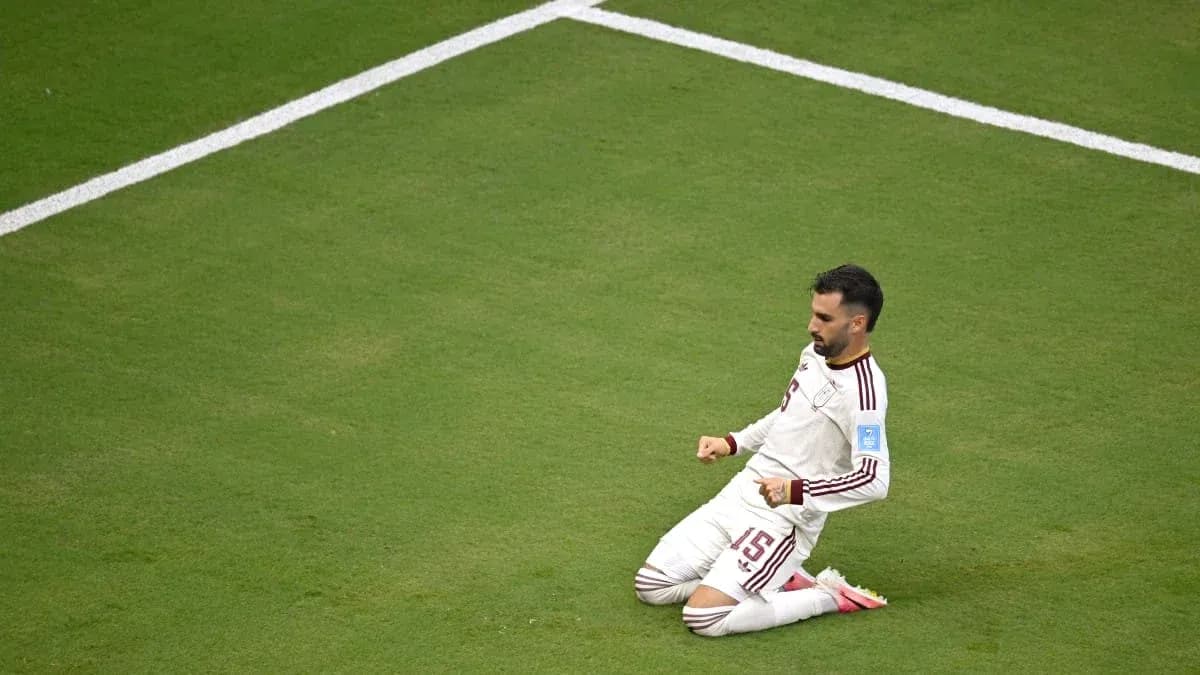
Spain Defeats Disjointed Uruguay in World Cup Clash
Uruguay arrived as a proud, battle-scarred heavyweight. They leave as the highest‑ranked side dumped out at the group stage, their campaign collapsing under the weight of internal strife and a 1-0 defeat to a Spain side still searching for its true face.
For Marcelo Bielsa and his players, it ends in acrimony and regret. For Luis de la Fuente, it ends in relief more than celebration.
A fractured Uruguay, a flat contest
This was supposed to be the glamour tie of the group: the only clash between two former world champions in the opening phase, staged under the gaze of King Felipe of Spain in Guadalajara. Instead, it felt like a slow, tense unravelling of one team and a laboured, joyless grind from the other.
Uruguay’s problems had been bubbling long before kick-off. Draws with Cape Verde and Saudi Arabia had already left them on the brink, but it was the fallout behind the scenes that truly set the tone. Reports of a revolt in the camp, with senior figures – including Real Madrid’s Federico Valverde – clashing with Bielsa over his tactical approach, hung over this match like a storm cloud.
On the pitch, they never truly cleared.
Muslera’s nightmare continues
Fernando Muslera, once a hero of Uruguay’s stirring run to the 2010 semi-finals, has endured a brutal tournament. He was at fault for both goals in the 2-2 draw with Cape Verde, and his confidence looked brittle from the start here.
Spain, curiously timid in attack, barely laid a glove on Uruguay for most of the first half. Lamine Yamal, restored to the starting line-up after sparking a 4-0 rout of Saudi Arabia, struggled to find the same electricity. The passing was neat, the movement familiar, but the incision was missing.
Then came the moment that broke Uruguay.
On 42 minutes, Marcos Llorente swung in a cross from the right. It wasn’t ferocious. It wasn’t angled into the corner. Baena met it and directed a tame effort towards goal. Muslera got down, but not well enough. The ball dribbled over the line, agonisingly slow, the kind of goal that drains belief from a team and stadium in equal measure.
To make matters worse, Manchester United midfielder Manuel Ugarte had gone down injured in the build-up. He was stretchered off with what looked like a serious knee problem, another hammer blow to a side already wobbling.
Bielsa gambles, Spain stumble
Bielsa reacted at half-time, replacing Muslera with Sergio Rochet. The message was clear: no one was safe. An hour in, he went even further, hauling off Valverde, one of his leaders and most influential players. It was a bold, ruthless call from a coach who has never shied away from confrontation.
But the changes did not transform Uruguay. They huffed, they chased, they snapped into challenges, yet they rarely forced Spain into panic. The sense of a team playing through tension, not with freedom, never left them.
Spain, for their part, were strangely muted. After an underwhelming goalless opener against Cape Verde and that four-goal flurry against Saudi Arabia, this performance sat awkwardly in between: controlled, but flat; dominant in shape, but not in threat.
De la Fuente turned to his bench. Dani Olmo and Fabian Ruiz arrived and, at last, Spain began to move with a little more purpose. Olmo found pockets of space between the lines, Ruiz quickened the passing rhythm.
The pressure finally told in terms of chances, if not on the scoreboard. A brilliant flash of footwork from Yamal opened up Uruguay’s defence and presented Olmo with a clear sight of goal. The finish, spooned high over the bar, did not match the build-up.
Yamal managed, Torres wasteful
Yamal’s influence faded as the minutes ticked by. Still only a teenager and coming off a hamstring injury that cut short his club season, his workload is being carefully managed. De la Fuente withdrew him 15 minutes from time, unwilling to push his luck.
On came Ferran Torres, who should have put the game to bed. Five minutes from the end, he broke through with only the goalkeeper to beat. The bar shook, Uruguay breathed, and Spain’s bench groaned. It was the kind of miss that keeps knockout-stage analysts busy and coaches awake.
Yet Uruguay never truly looked capable of punishing that waste.
Red card and a bitter exit
Uruguay’s campaign deserved a more nuanced epitaph than a single flash of indiscipline, but Agustin Canobbio provided an ugly closing image. Deep into stoppage time, he launched into a wild lunge on Pau Cubarsi and was shown a straight red card. No complaints, no debate. Just a final act of frustration in a tournament that had long since slipped away from them.
From pre-tournament optimism to internal revolt, from Muslera’s errors to Ugarte’s injury and Valverde’s early withdrawal, this World Cup has left Bielsa with more questions than answers and a squad that never looked at ease with its own identity.
Spain advance, but doubts linger
On paper, Spain look formidable. They are now 34 competitive matches unbeaten. They have yet to concede a goal at this World Cup. Those numbers scream authority.
The performances tell a more complicated story.
While France, Argentina and the Netherlands have produced bursts of scintillating attacking football, La Roja continue to grind rather than glide. The structure is sound, the defence watertight, but the cutting edge comes and goes. Yamal’s sparks, Olmo’s movement, Torres’ runs – they appear in flashes, not waves.
Spain march into the knockouts with their record intact and their aura growing, at least statistically. The real test now is whether this careful, controlled side can find the ruthless streak required to turn clean sheets and narrow wins into a second World Cup triumph – or whether stronger opposition will expose the limits of caution dressed up as control.




