Cape Verde's Remarkable World Cup Journey
Cape Verde arrived in Houston with a dream most thought would evaporate under the glare of a World Cup group stage. Ninety tense minutes later, they walked away with the point they needed and a place in history still alive deep into the final whistle.
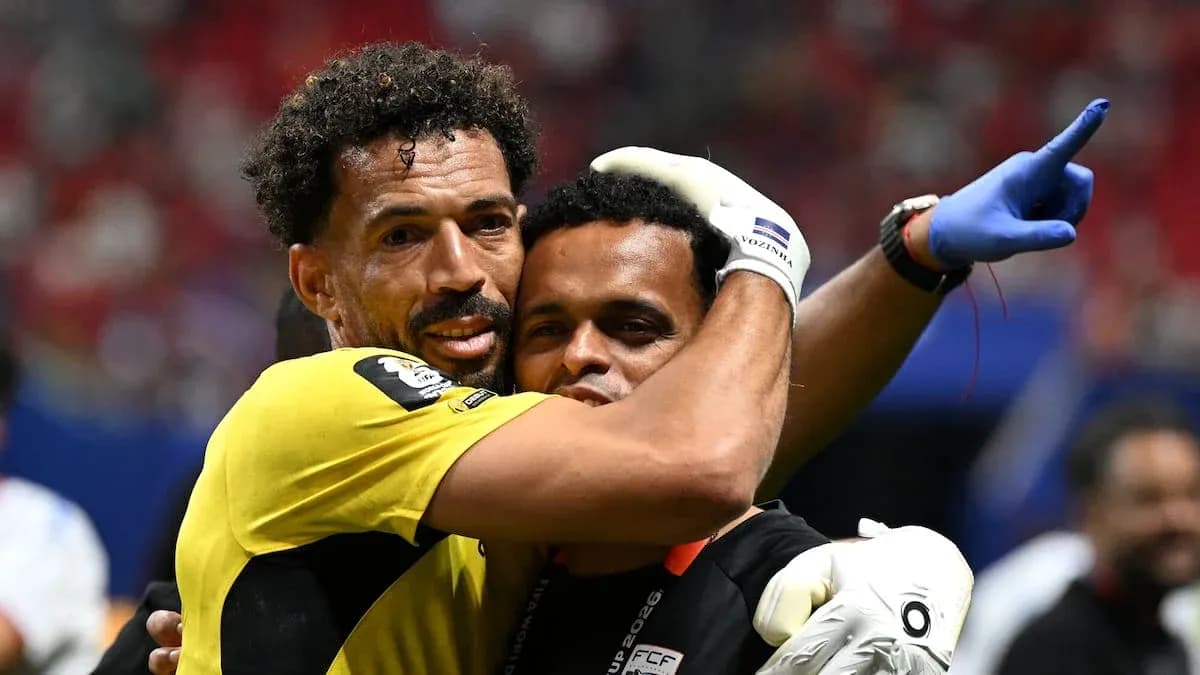
Bubista, sensing the weight of the occasion, ripped up half his starting XI. Some changes were forced, others tactical, but one position was never in doubt. Vozinha, the 40‑year‑old goalkeeper who had already turned this tournament into his personal epic, stayed between the posts.
He had earned that right. In their first-ever World Cup match, Cape Verde clung on for a stunning draw against European champions Spain, surviving long spells of pressure almost entirely thanks to Vozinha’s defiance. He followed it with another performance of resolve as Cape Verde slugged out a 2-2 draw with two-time world champions Uruguay, a result that cracked the group wide open and gave the island nation an improbable shot at the knockout rounds.
So it came down to this: Cape Verde against Saudi Arabia in Houston, Spain against Uruguay in Guadalajara, and a group that refused to behave as expected.
Saudi Arabia arrived still in with a chance themselves. They had taken a point off Uruguay in a 1-1 draw before Spain ruthlessly exposed their frailties in a 4-0 defeat. Cape Verde, though, started with more belief and a touch more control. Their passing had purpose, their pressing had bite, and they shaded a cagey first half.
The Saudis suffered an early setback that seemed to drain their authority. On 33 minutes, experienced defender Hassan al-Tambakti went down and stayed down. The stretcher came on, and with it a sense that their back line had lost its organiser at the worst possible time.
Chances remained scarce. Willy Semedo curled one effort not too far wide of the Saudi post, a reminder that Cape Verde carried threat even if they refused to lose their shape. The game tightened, nerves thickened, and both sides walked off at half-time knowing a single mistake could end a campaign.
Then news drifted in from Mexico. Spain had taken the lead against Uruguay. In Houston, Cape Verde fans erupted, blue shirts bouncing in the stands. As it stood, Cape Verde were going through at Uruguay’s expense.
The second half began with the underdogs suddenly within touching distance of the unthinkable. Three minutes after the restart, Jamiro Monteiro found himself with a major chance from close range. The move was sharp, the opening clear, but his finish lacked conviction and dribbled tamely towards goal. Soon after, Kevin Pina stepped up from distance and let fly, his strike whistling just off target. The message was clear: Cape Verde were not here to cling on; they were here to decide their own fate.
The tension ratcheted up as the clock ticked into the final quarter. Saudi Arabia needed a goal to rescue their campaign, yet their play never matched the urgency of the situation. The ideas dried up. Attacks slowed. Cape Verde, disciplined and compact, read every hopeful pass and cleared every cross.
On 75 minutes, the game could have been killed. Laros Duarte broke through and struck cleanly, forcing Mohammed al-Owais into a vital stop that kept Saudi hopes flickering. That save shifted the mood for a moment, but not the pattern. Saudi Arabia still chased shadows; Cape Verde still looked the more likely to land the decisive blow.
A point was enough for Bubista’s side, but they refused to retreat into their shell. They managed the ball, took the sting out of Saudi forays, and continued to spring forward when space appeared. Every clearance, every interception, every simple pass drew them closer to the line no one had imagined they could reach when the draw first came out.
When the final minutes bled away, Cape Verde stood on the brink of the knockout rounds, having stared down Spain, gone toe-to-toe with Uruguay, and held firm against Saudi Arabia. For a nation of islands off the west coast of Africa, it was more than just a result.
It was a statement that this World Cup will remember their name.