Selhurst Park's Final Showdown: Arsenal vs Crystal Palace
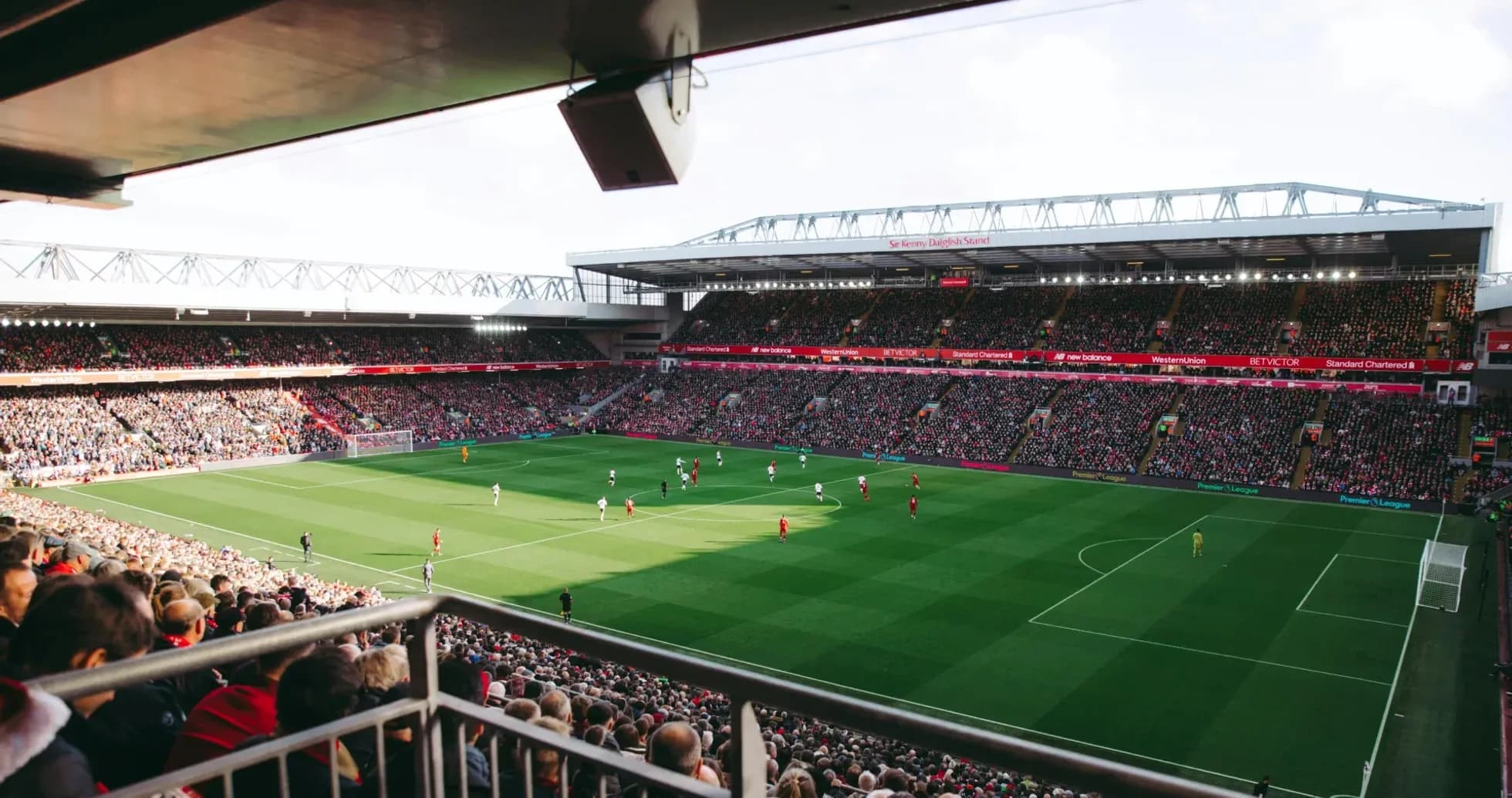
On the final afternoon of the 2025 Premier League season, Selhurst Park staged a meeting of contrasting destinies. Crystal Palace, 15th in the table with 45 points and a goal difference of -10 (41 scored, 51 conceded in total), had already done enough to stay afloat but not enough to truly convince. Arsenal arrived as champions-elect in all but name: 1st place, 85 points, and a commanding goal difference of 44 (71 for, 27 against in total).
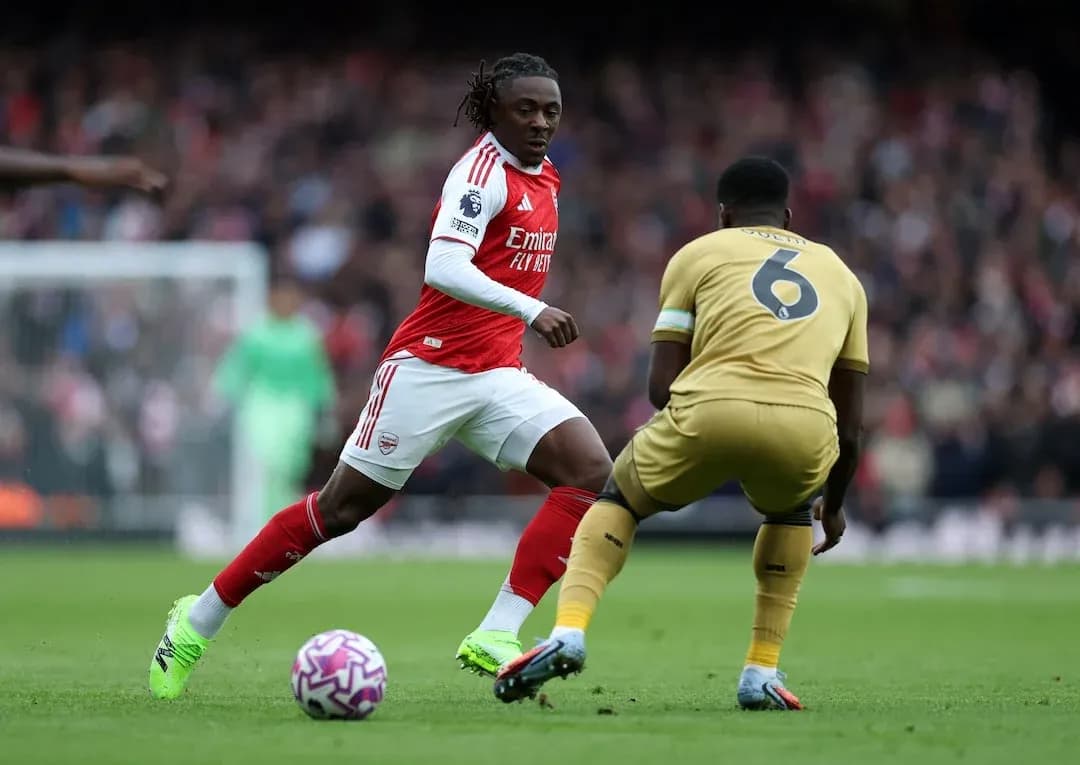
The 2-1 away win for Arsenal, sealed in regulation time after a 1-0 half-time lead, felt like a microcosm of both campaigns. Palace again walked the tightrope between resilience and fragility, while Arsenal’s structure and quality edges – honed over 38 matches – ultimately told.
Oliver Glasner stuck to the club’s seasonal identity, rolling out the familiar 3-4-2-1 that has been used in 33 league games. Mikel Arteta countered with 4-2-3-1, one of the two systems that have defined Arsenal’s year alongside 4-3-3. The shapes mirrored the standings: Palace’s back three, designed to survive and counter, versus Arsenal’s back four, drilled to suffocate and then slice through.
Tactical voids and disciplinary shadows
Both sides came into this fixture with notable absences that subtly reshaped the contest. Palace were without C. Doucoure (knee injury), C. Richards (ankle injury) and B. Sosa (injury). The most significant void was Doucoure: his ball-winning and screening presence would have been invaluable against Arsenal’s rotating midfield lines. Without him, J. Lerma dropped into the back three from the start, leaving W. Hughes and D. Kamada to hold the central ground in front.
Arsenal’s defensive options were also trimmed. J. Timber (ankle injury) and B. White (knee injury) were ruled out, pushing M. Zubimendi into a nominal right-back role in the back four. It added a more possession-first flavour to Arsenal’s defensive line, but also demanded extra protection from the double pivot of C. Norgaard and M. Lewis-Skelly.
Across the season, the disciplinary patterns of both sides framed the risk profile of this match. Palace’s yellow-card distribution is spread but spikes between 31-45', 46-60' and 76-90', each at 18.42% of their total cautions – a team that tends to fray at the edges of each phase. Their red cards have been rare but telling: both dismissals came between 46-75', precisely when games become stretched.
Arsenal, by contrast, have been disciplined but not immune to late pressure. Their yellows peak late: 25.49% between 76-90' and 21.57% between 61-75', signalling that their aggression rises as they protect leads or chase margins. They have not seen a single red card in the league, a testament to control within their intensity.
Key matchups – Hunter vs Shield, Engine Room vs Enforcer
The “Hunter vs Shield” narrative was layered rather than obvious. From the bench, Arsenal had one of the league’s most productive forwards: V. Gyökeres, with 14 goals and 1 assist in total, a classic penalty-box presence who thrives on direct service. Palace’s defensive record in total – 51 conceded, an average of 1.3 per game overall – underlined the danger of leaving space between the lines, particularly against a side whose away attack averages 1.6 goals on their travels.
Yet Palace’s own spearhead sat among the substitutes: J. Mateta, with 12 league goals in total, has been their most reliable finisher. His profile – 56 shots, 32 on target, plus the ability to hold play and duel (292 duels, 110 won) – is precisely what a 3-4-2-1 demands when defending deep and springing forward. When he entered the fray, Mateta replaced one of the forward trio, the shape tilted towards a more direct, penalty-box-oriented assault, forcing Arsenal’s centre-backs to defend their six-yard line rather than just the halfway line.
In the “Engine Room”, the battle was as much about structure as individuals. For Palace, Hughes and Kamada were tasked with knitting transitions, while the wing-backs D. Munoz and R. Cardines provided width. Arsenal’s answer was the double pivot of Norgaard and Lewis-Skelly, a blend of screening and progression, with M. Dowman operating as the connective tissue between midfield and Gabriel Jesus.
From the bench, Arteta’s trump cards were creative: M. Ødegaard and L. Trossard, both among the league’s top assist providers with 6 each in total. Ødegaard’s 40 key passes and 84% passing accuracy overall, and Trossard’s 36 key passes at 77% accuracy, meant Arsenal could morph from a structured 4-2-3-1 into a more fluid 4-3-3, pinning Palace’s back three even deeper.
Defensively, Palace’s most imposing presence in the broader season has been M. Lacroix, a red-carded but dominant centre-back who has made 60 tackles, 18 successful blocks and 45 interceptions overall. His absence from the starting XI here removed a natural aerial and recovery anchor from Glasner’s usual scheme, making J. Lerma’s adaptation in the back line even more crucial.
Statistical prognosis and what the xG story would say
Heading into this game, the numbers tilted heavily towards Arsenal. Overall, Palace averaged 1.1 goals for and 1.3 against per match; Arsenal averaged 1.9 scored and only 0.7 conceded. At home, Palace’s attack has been modest – 1.0 goal per game at Selhurst Park – while Arsenal’s defence on their travels has allowed just 0.8 goals per game away.
Overlay that with Arsenal’s 19 clean sheets in total and Palace’s 12, and the expected goals landscape was always likely to lean towards a controlled Arsenal win: a higher xG for the visitors, built on territorial dominance and repeated entries into the box, against a Palace side hoping to compress space and live off moments.
Palace’s 8 penalties this season, all converted with 100.00% efficiency and no misses, hinted at one possible equaliser: chaos in Arsenal’s area. But Arsenal’s own perfect record from the spot (4 from 4, no penalties missed) underlined that any foul at the other end would be just as ruthlessly punished.
Following this result, the narrative holds: Arsenal’s champions’ profile – efficient away, defensively tight, with bench firepower from Gyökeres, Ødegaard and Trossard – was simply too complete. Palace’s 3-4-2-1, powered by honest running from I. Sarr, J. S. Larsen and the later introduction of Mateta, made them competitive, but the structural gap between a 15th-placed side and the league leaders remained clear.
In the end, the 2-1 scoreline felt like a fair reflection of the underlying metrics: Arsenal’s superior chance volume and defensive solidity edging a Palace team that, for all its spirit, is still searching for the next evolution of its attacking identity.