Fulham vs Newcastle: Tactical Analysis of Season Finale
Craven Cottage felt like a fitting stage for a season’s epilogue: low sun on the Thames, a full house, and two sides locked together in the table but heading in subtly different directions. Following this result, Fulham close their Premier League campaign in 11th on 52 points, Newcastle one step back in 12th with 49. The 2–0 home win, built on a 1–0 half‑time lead and calmly seen out, was less about wild drama and more about a team quietly confirming its new identity.
Over 38 matches, Fulham’s seasonal DNA has been clear. Overall they score 47 and concede 51, a goal difference of -4 that masks how strong they have been at Craven Cottage. At home they have taken 11 wins from 19, scoring 30 and allowing only 20. Marco Silva has leaned almost exclusively into a 4‑2‑3‑1 – used 35 times – and on this final day he doubled down on that structure rather than rotating for sentiment.
Newcastle arrive at the end of a more volatile journey. Overall they have 53 goals for and 55 against, a goal difference of -2, with a sharper attack but a looser defensive shell than Fulham. At St James’ Park they have been dangerous; on their travels they have been fragile: 4 away wins, 5 draws, 10 defeats, 17 scored and 25 conceded. Eddie Howe’s tactical palette has been broad – 4‑3‑3 as the base, but with detours into 4‑2‑3‑1, 5‑3‑2, 3‑4‑2‑1, 4‑5‑1, 4‑1‑4‑1 and, here, a 3‑5‑2. This finale felt like an experiment under exam conditions, and Fulham punished the uncertainty.
Tactical voids and the shape of the game
Both coaches had to navigate absences that shaped their plans. Fulham were without J. Andersen, suspended after a red card, and J. Kusi Asare through a knee injury. Losing Andersen – one of the league’s leading red‑card recipients and a defensive organiser – forced Silva to trust the partnership of I. Diop and C. Bassey. They responded with the kind of clean, unfussy performance that underpins a sixth home clean sheet of the season.
Newcastle’s voids were more numerous and more structural. Joelinton’s thigh injury stripped the midfield of its most combative presence; E. Krafth, V. Livramento, L. Miley and F. Schar were all missing. Without Schar’s distribution and Joelinton’s physicality, Howe’s 3‑5‑2 had to be rebuilt on different principles: more about Bruno Guimarães’ orchestration, more about wing‑backs providing width, less about brute force in the duels.
The disciplinary backdrop framed the risk. Across the campaign, Fulham’s yellow cards have clustered late, with 21.33% between 46–60 minutes, another 21.33% from 76–90, and a further 24.00% in added time. Newcastle’s profile is even more volatile: 28.36% of their yellows come between 76–90 minutes, with 19.40% between 46–60. This is a side that often finishes games on the disciplinary edge, and with three red cards in the 46–75 minute band across the season, there was always the danger that chasing the match in the second half would tilt into chaos.
Yet this time, Fulham’s control of territory and tempo meant they never had to lean into that late‑game recklessness. Once they moved 2–0 ahead, the hosts managed the emotional temperature, keeping the contest inside their preferred rhythm rather than the frantic, card‑heavy phases that have defined some of their campaign.
The chessboard: structure and match‑ups
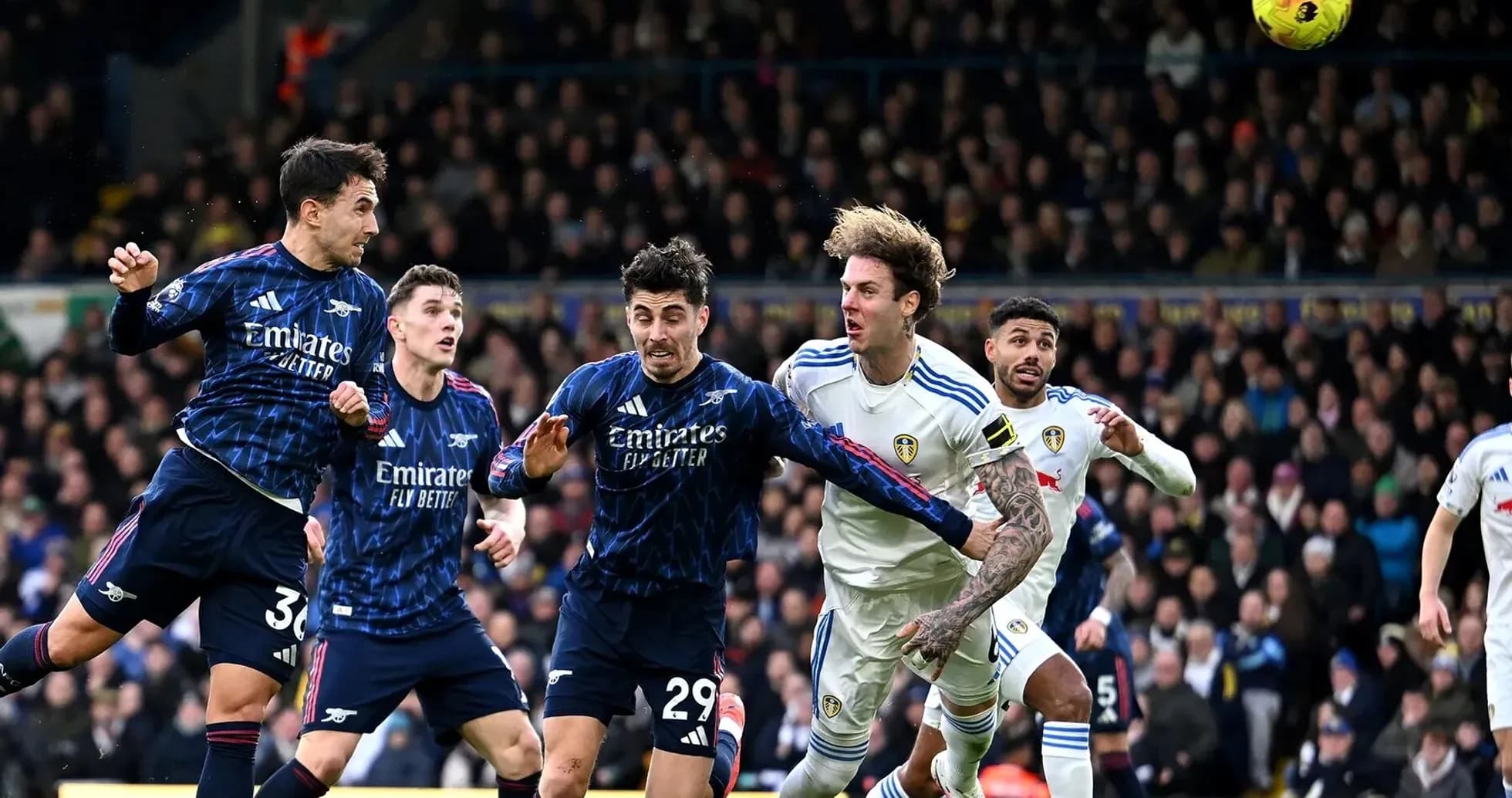
On paper, this was a duel between Fulham’s 4‑2‑3‑1 and Newcastle’s 3‑5‑2. In practice, it became a story of how effectively Fulham’s three‑man band behind the striker could find space between Newcastle’s lines.
Silva’s back four – T. Castagne, Diop, Bassey, A. Robinson – had a clear brief: compress the pitch, deny space in behind, and funnel Newcastle’s forwards into traffic. With Fulham conceding only 20 at home all season, the defensive block has been reliable, and here it looked fully in tune. Bassey’s aggression stepping out of the line and Diop’s calmer coverage behind gave a solid platform for the double pivot.
In front of them, S. Berge and A. Iwobi formed the engine. Berge’s size and simple distribution allowed Fulham to bypass Newcastle’s first press, while Iwobi’s angles and ball‑carrying broke the symmetry of the visitors’ midfield five. That freed the creative trio: O. Bobb wide, E. Smith Rowe drifting inside, and Kevin operating in the half‑spaces. Their constant rotation dragged Newcastle’s back three – M. Thiaw, S. Botman, D. Burn – into decisions they never looked entirely comfortable making.
For Newcastle, Bruno Guimarães was the brain and the heartbeat. Across the season he has combined 9 goals with 5 assists, 46 key passes and 62 tackles; he is both playmaker and enforcer. Flanked by J. Willock and J. Ramsey, with L. Hall and J. Murphy as wing‑backs, the idea was to create overloads in midfield and release W. Osula and N. Woltemade early. But the plan ran into Fulham’s compact mid‑block and the home side’s willingness to cede wide areas in order to lock down the central lane Bruno needed to dictate.
Hunter vs shield, engine vs enforcer
The “Hunter vs Shield” narrative tilted Fulham’s way. Newcastle’s attack, overall, has been more productive than Fulham’s this season – 1.4 goals per game overall versus Fulham’s 1.2 – but away from home both sides sit at 0.9. At Craven Cottage, Fulham’s defensive record (20 conceded in 19) formed the shield that mattered. Diop and Bassey, stepping into the Andersen void, turned what could have been a weakness into a statement, with B. Leno’s authority behind them completing a unit that never really allowed Osula and Woltemade to settle.
The “Engine Room” duel was even more compelling. On one side, Bruno Guimarães, with his 1449 completed passes and 333 duels, trying to drag Newcastle up the pitch. On the other, Iwobi and Berge as a double pivot, with Smith Rowe dropping in to form a situational three. Time and again, Fulham’s midfield triangle closed around Bruno, forcing him to play backwards or sideways. Deprived of his vertical passing lanes and Joelinton’s chaos, Newcastle’s possession became sterile.
From the bench, Howe had options – A. Gordon, Y. Wissa, A. Elanga – but each substitution risked unbalancing an already patched‑together structure. Gordon, one of the league’s notable red‑card figures with 1 dismissal and 3 yellows, embodies the high‑risk, high‑reward edge Newcastle sometimes lean into. Here, the calculation was brutal: chase the game and potentially open the door to the kind of late‑game disciplinary spiral their season stats hint at, or stay conservative and accept the 2–0.
Silva, by contrast, could introduce H. Wilson – Fulham’s standout attacking contributor this season with 10 goals and 7 assists – as a luxury. His presence, even from the bench, shifted the threat profile, forcing Newcastle to respect the counter and preventing them from committing too many bodies forward.
Statistical prognosis and season verdict
Even without explicit xG figures, the patterns are clear. Heading into this game, Fulham’s home attack at 1.6 goals per match and home defence at 1.1 conceded pointed towards a controlled, moderately high‑quality chance profile in their own stadium. Newcastle’s away numbers – 0.9 scored, 1.3 conceded – suggested an attack that often struggles to turn possession into clear chances and a defence that yields more than it should.
Overlay that with Fulham’s nine clean sheets overall and Newcastle’s eight, and the likeliest script was always a low‑to‑medium scoring match in which the first goal would be decisive. Fulham found it before the break, protected it through the game’s most card‑prone periods, and then added a second to convert control into comfort.
Following this result, the table tells one story – 11th versus 12th, both with negative goal differences – but the tactical trajectory tells another. Fulham look like a side with a settled shape, a clear home‑field identity and an emerging creative spine. Newcastle, for all their talent and Bruno’s brilliance, finish as a team still searching for a stable structure, their away fragility and disciplinary volatility unresolved.
At Craven Cottage, on the final afternoon, that difference in clarity was the real margin between them.