Roberto De Zerbi Reflects on Tottenham Collapse
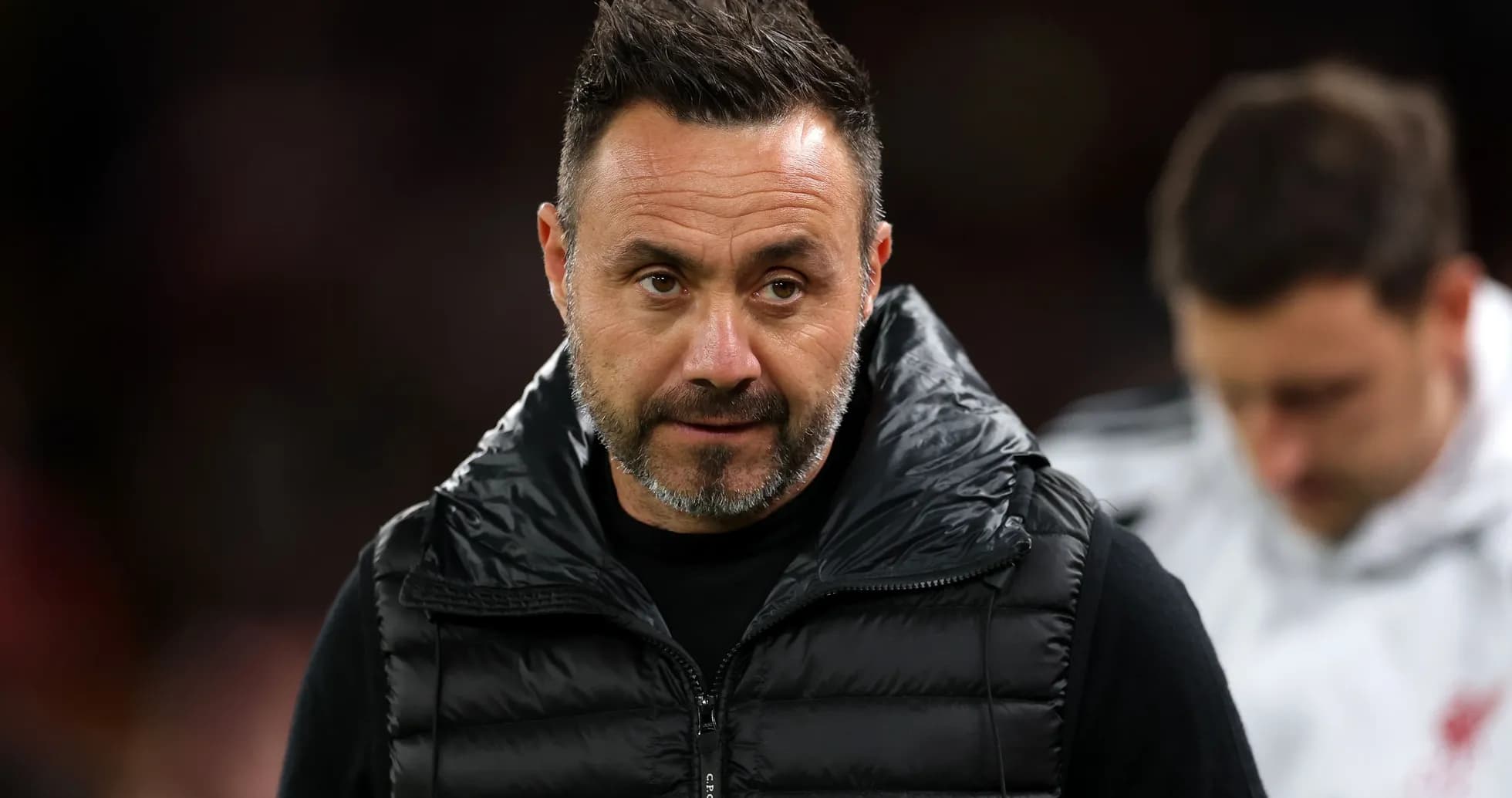
The mood inside the Tottenham Hotspur Stadium was as flat as it has been all season when Roberto De Zerbi walked down the tunnel and chose silence over fury.
No inquest. No raised voices. Not even a brief huddle on the pitch.
The Italian admitted he deliberately refused to address his players in the immediate aftermath of their collapse, wary that emotion rather than clarity would take over.
“Maybe it is better. I didn't speak with the players today because I didn't want to say nothing. No, I have nothing with them,” he said, stressing that the quiet came from a desire for control, not conflict.
A Collapse That Cut Deep
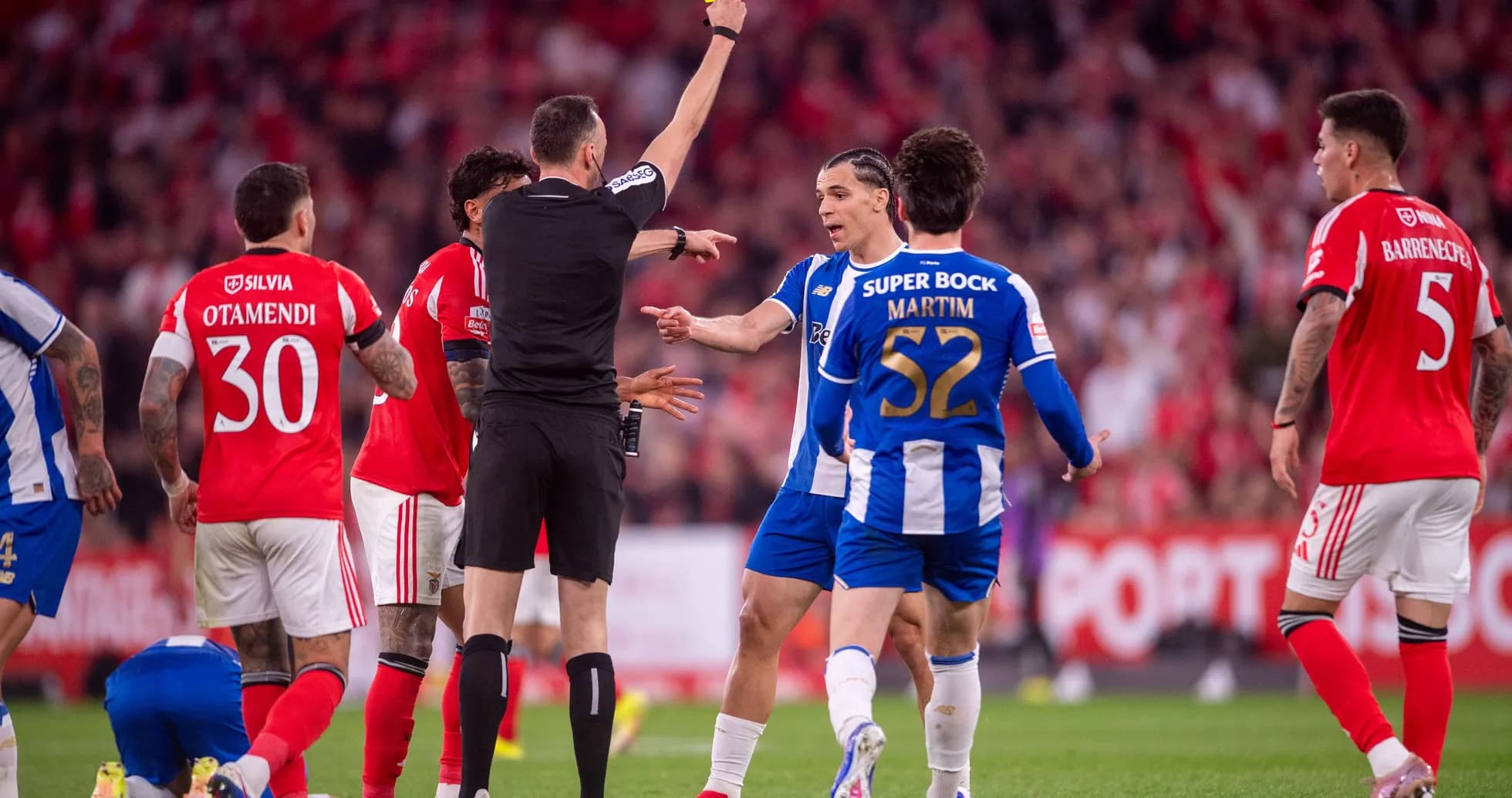
What stung De Zerbi was not just the defeat, but how it unfolded. Spurs conceded while temporarily down to ten men after Micky van de Ven suffered a facial injury, then later allowed a simple route-one goal straight from a goal kick. Two moments, both avoidable. Both, in his eyes, unforgivable.
He was particularly incensed by the second, a long ball they had spent days preparing for.
“We conceded an unacceptable goal from a long kick with a long ball and we knew before the game, because this season Aston Villa are playing 86 per cent more long balls than last season and we spoke in many, many meetings,” he lamented.
The numbers were on the whiteboard. The warnings were clear. The execution on the pitch was anything but.
De Zerbi did not duck his own role, but he made it plain that responsibility must be shared, and in key moments led, by those with experience.
“It's my responsibility, I take my responsibility,” he said. “But in that moment of the game, when the game is different than ball possession than playing in the last third, because we can't play 90 minutes in the last third like the first half, because there is an opponent, Aston Villa is not a so bad team, it's a good team.
“And the moment when we have to defend and we have to defend compact the leaders have to be leaders and to lead the team.”
The message was clear: when the game turns, the senior players have to turn with it – and drag everyone else along.
Solanke Struggling to Fire
If the defensive lapses frustrated him, the form of Dominic Solanke is beginning to concern him.
Signed to spearhead the attack with authority, Solanke has looked short of sharpness and short of belief in the opening weeks. The cutting edge that was supposed to define his arrival has yet to appear.
“We need more from him for sure, but he's one of my players, I like Dom as a player and I stay with him until the end,” De Zerbi insisted.
“He needs to stay, to feel better, his physical condition is not good enough for sure, but it's normal for him. Maybe he's not good enough in the confidence of himself in this moment because he's much better than this Dom Solanke.”
It was both an honest assessment and a public backing. The standards are high. The patience, for now, remains.
Break Becomes a Battleground
Now comes a three-week international break that could easily feel like an interruption. De Zerbi refuses to see it that way.
With a large chunk of his squad heading off to join their national teams, he views the gap as an opportunity to reset the physical and mental levels that so clearly dipped in this defeat. Those away will keep their rhythm with their countries. Those who stay will be pushed.
“The players who go with the national team they have to play, they have to work,” he said. “And the other players like [Conor] Gallagher, Solanke, Tosin [Adarabioyo], [Marcos] Senesi, Savio for sure we have to work more because of the physical condition I didn't like in this game.”
No rant in the dressing room. No dramatic showdown. Just a manager turning his anger into a training plan, and throwing down a challenge to his leaders: when the next storm hits, who is going to stand up?