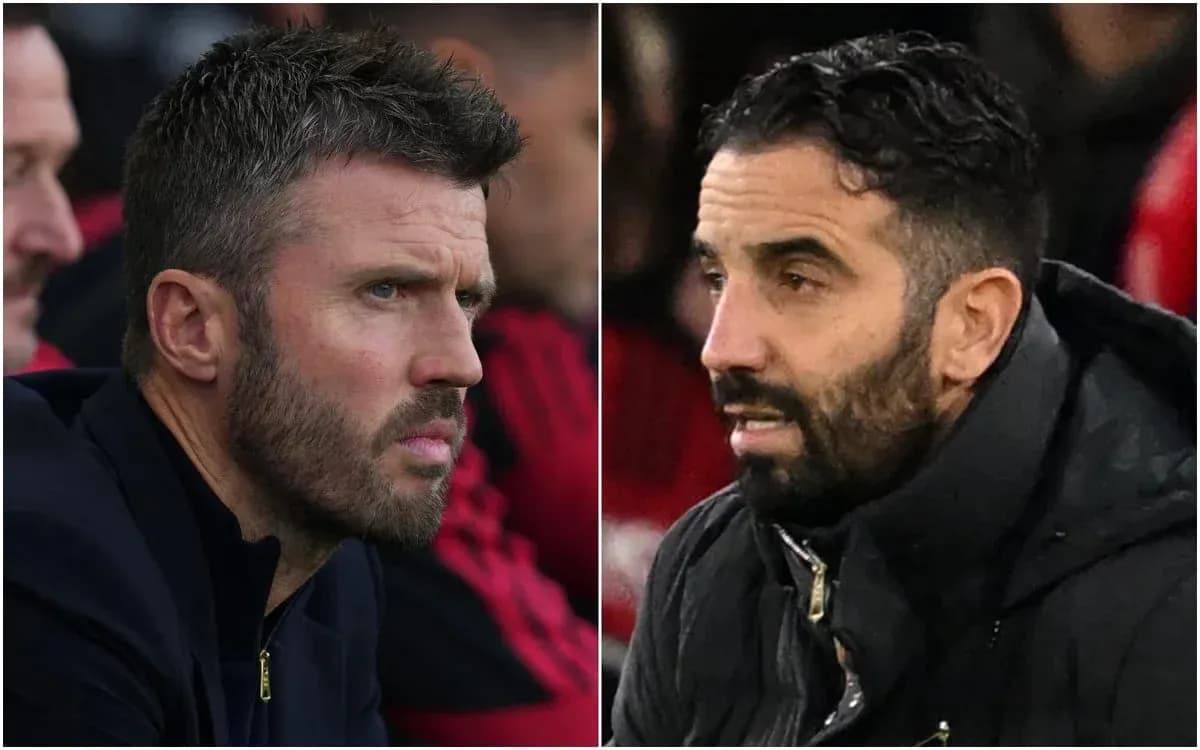
Manchester United's Struggles: A Familiar Pattern Under Carrick
The mood around Manchester United was supposed to be different this year. New manager, new authority, a surge to third place last season under Michael Carrick that had Old Trafford believing the corner had finally been turned.
Seven games into his first full campaign, that optimism has drained away. The numbers, the table, even the feeling in the stands – all of it is starting to look uncomfortably similar to the troubled start under Ruben Amorim in 2025-26.
The parallels are no longer easy to ignore.
Results: Different manager, same stutter
Strip it back to the basics. Seven games in, Carrick’s United have won two and lost three. That is exactly the same record Amorim posted at the same stage last season.
You could argue Amorim’s start was even worse. His United went out of the Carabao Cup on penalties to Grimsby, a result that hardly screamed authority. Carrick has already matched the early exit, though – United were dumped out of this season’s Carabao Cup by Brighton last week.
The league table is just as stark. After five Premier League games, United sit 12th with five points. That total is their joint-lowest at this stage of a Premier League season, matching the 2014-15 return under Louis van Gaal. Only newly promoted Ipswich have been beaten by Carrick’s side in the league.
Amorim’s early weeks were not much better. Six of his opening seven games last season were in the league, and United sat 14th after scraping home wins against Burnley and Chelsea at Old Trafford. Different fixtures, different context, but the same sense of a giant club stumbling out of the blocks.
Underlying data: Promise on paper, frustration on grass
Look beneath the table and the story barely shifts.
Last season, at this point, United were fourth in the expected-points (xPts) table, even though they were actually 14th. The metrics suggested a team performing better than their results.
This year, the pattern repeats. United are sixth on xPts, well above their real position of 12th. Again, the data paints a more flattering picture than the league table.
The main driver is the same: wastefulness in front of goal.
Under Amorim at this stage last season, United had scored seven league goals from an expected-goals (xG) figure of 12.04. The gap was glaring. Chances were being created, but not finished.
Carrick’s side are following the same script. Their xG stands at 10.59, yet they have only eight goals to show for it. The shortfall is smaller, but still significant enough to define matches.
In blunt terms, United are not putting chances away. You can interpret that as a sign that results will eventually correct themselves – last season, United finished with an xG only a little over three higher than their actual goals, so the wastefulness eased over time.
Or you can look at it another way: for all the structure, patterns and possession, this squad may still lack enough ruthless finishers.
Perception and pressure: Carrick’s credit vs Amorim’s isolation
The reaction around the club feels very different to 12 months ago.
Carrick has goodwill to spend. A third-place finish after taking over in January, more points than anyone else in the league over that stretch – that kind of surge buys time, and it changes the tone of the debate.
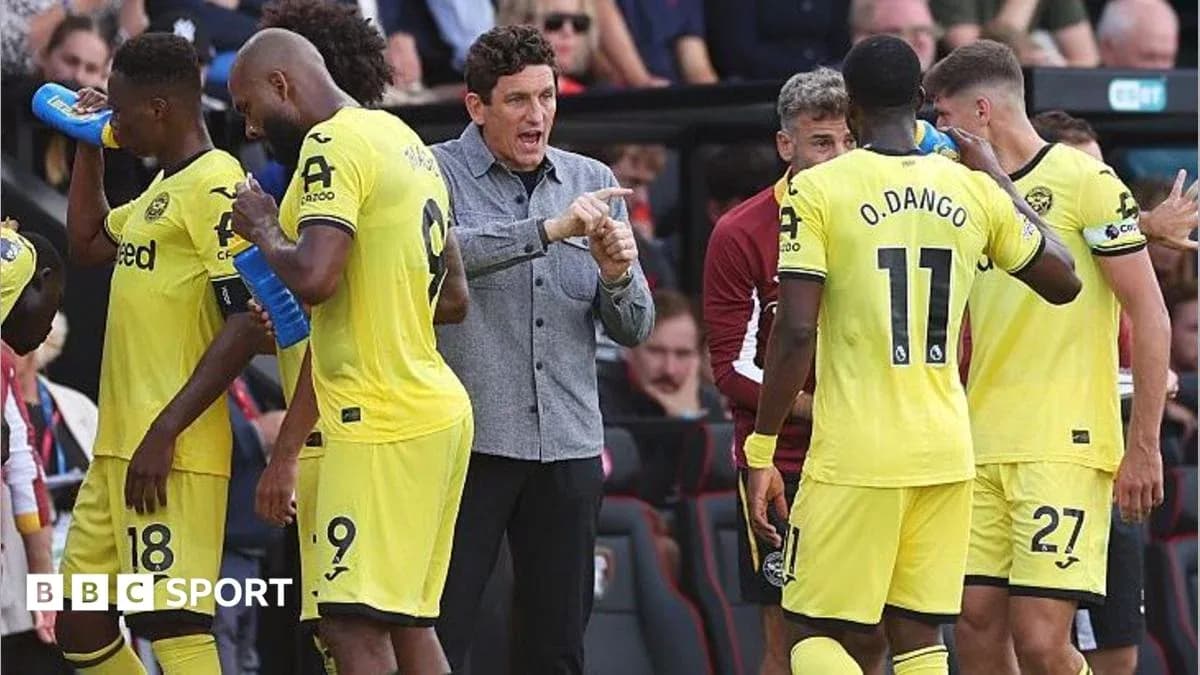
Amorim never had that cushion. After seven games of the 2025-26 season, the pressure was already intense. He had collected just 34 points from 33 league games in charge and had still not managed to win back-to-back Premier League fixtures. The scrutiny was relentless, the patience thin.
There was also a clear tactical stick to beat him with. His wing-back system became a symbol of his stubbornness. Critics insisted a back four would suit the squad better; Amorim refused to abandon his shape, and the narrative hardened around him.
Carrick has not yet been boxed in like that. The complaints after Sunday’s draw with lowly Fulham focused less on formations and more on attitude. The accusation was simple and damning: United did not work hard enough without the ball. The data on off-ball running and pressing supported that view.
So while Amorim was framed as tactically inflexible, Carrick is being questioned on intensity and standards. Different charges, same sense of unease.
The future: A familiar warning on the horizon
Amorim’s defiance never wavered publicly. “I am never concerned about my job,” he said after United’s seventh game of last season, a 3-1 defeat at Brentford.
The results never really caught up with his conviction. He survived until January, and even then his departure came after he openly challenged the board and raised the stakes off the pitch. United were sixth when he went. He is now at AC Milan, unbeaten and two points off the top in Serie A, his reputation quietly rebuilding elsewhere.
Carrick is nowhere near that point yet. He only signed a permanent two-year deal in May, and the conversation has not fully turned to job security. The atmosphere is more watchful than hostile.
But the warnings are already being voiced. Gary Neville put it plainly on Sunday: “If those types of performances continue, he will find himself in a lot of trouble.”
United have seen this film before. The numbers say they should be higher up the table. The eyes say something is still missing. The question now is brutally simple: does Carrick have enough time – and enough goals – to make sure this season does not end the way Amorim’s did?