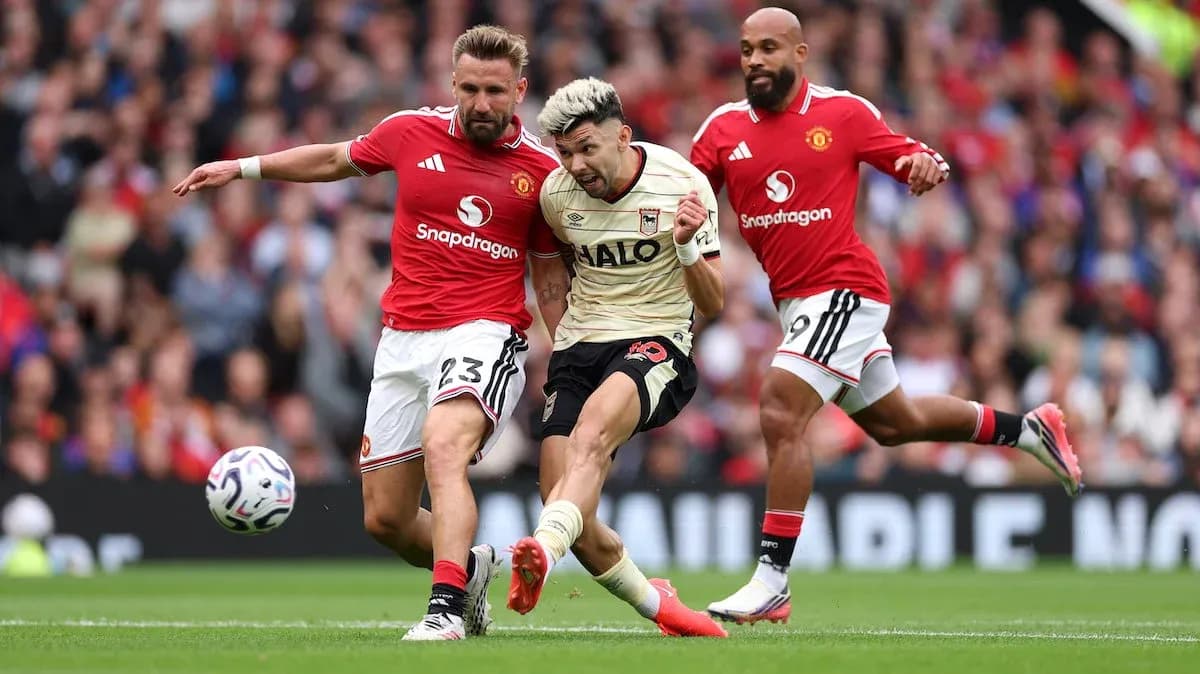
Manchester United's Dominance Over Ipswich: A 5–2 Victory
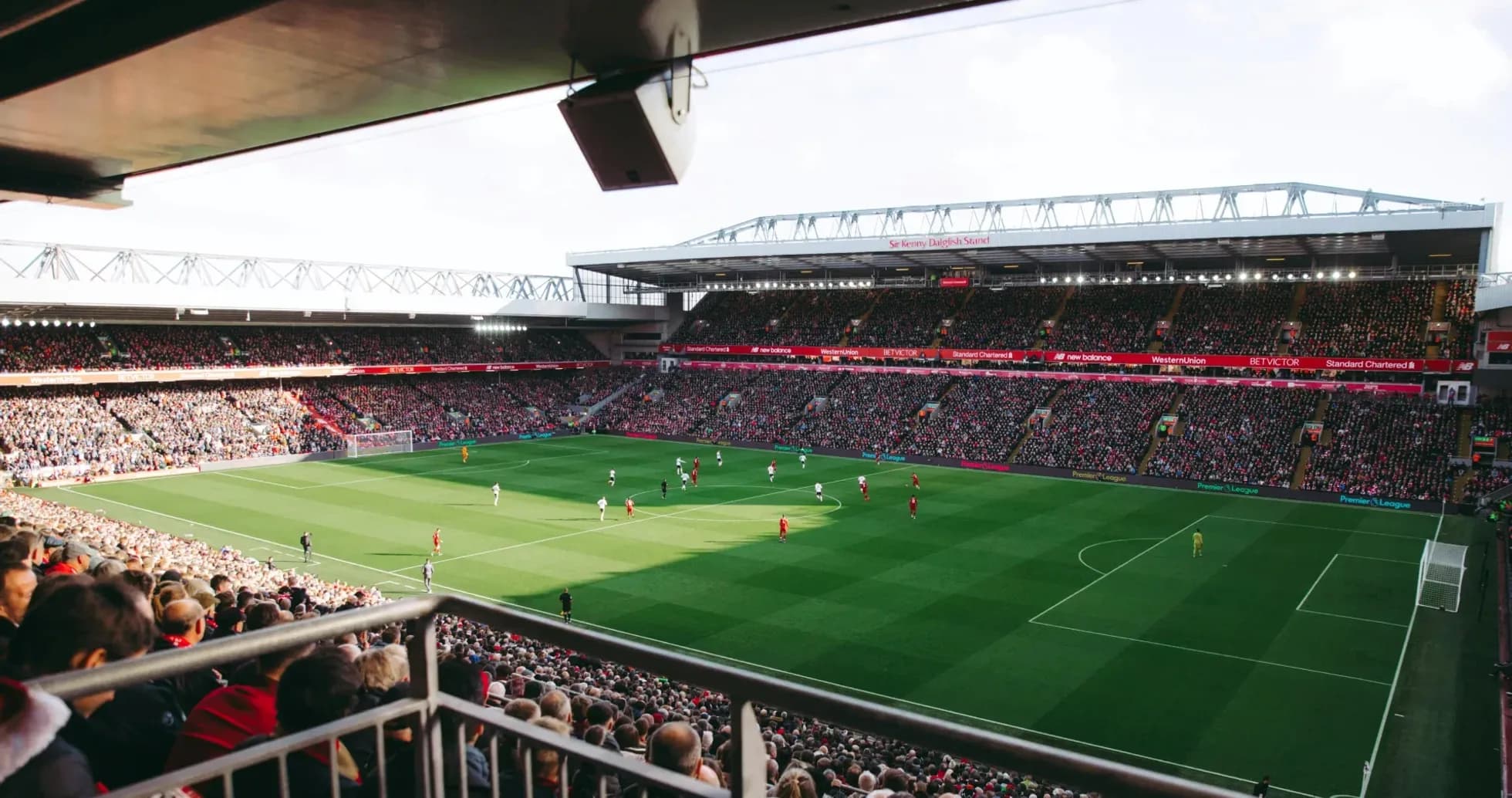
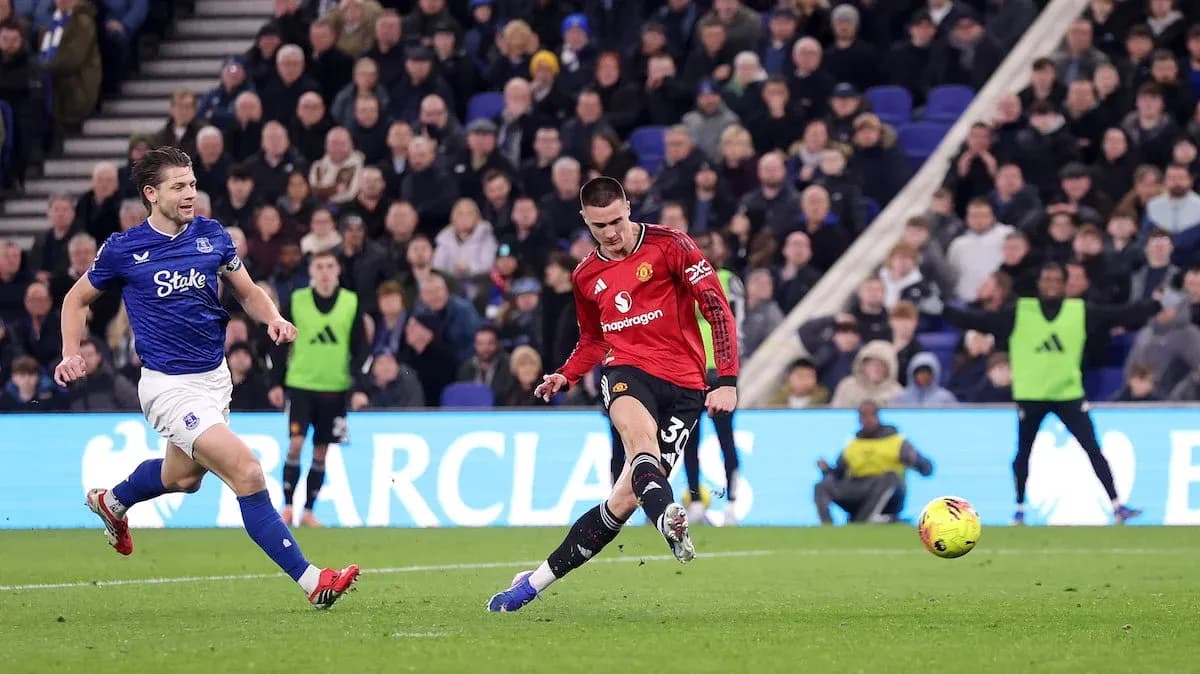
Old Trafford under late‑summer sun, Craig Pawson’s whistle still echoing in the stands, and the numbers tell the story as loudly as the scoreboard. Manchester United 5–2 Ipswich, a statement home win in the Premier League’s Regular Season - 2 that reshapes the early narrative for both clubs.
Following this result, United sit 10th with 3 points from 2 matches. Overall they have scored 5 and conceded 4; the goal difference of +1 is built entirely at Old Trafford, where in their single home outing they have put up 5 goals and allowed 2. Ipswich, 12th with 3 points from 2, have lived at the extremes: 4 goals scored and 6 conceded overall for a goal difference of -2, split between a tight home win (2–1) and this chaotic 5–2 away defeat.
I. The Big Picture – Two 4‑2‑3‑1s, one ruthless edge
Both managers mirrored each other on the board. Michael Carrick and Gary O’Neil each trusted a 4‑2‑3‑1, but the same shape produced very different personalities.
United’s spine was rebuilt for this one. With C. Baleba, A. Diallo, T. Heaton, M. Mount, M. Ugarte and M. de Ligt all listed as missing, Carrick leaned into technical security rather than sheer athleticism. S. Lammens started in goal, shielded by a back four of D. Dalot, H. Maguire, L. Martinez and L. Shaw. Ahead of them, the double pivot of Y. Tielemans and K. Mainoo set the rhythm, freeing a fluid line of three – B. Mbeumo, B. Fernandes and M. Rashford – to orbit around lone forward M. Cunha.
Ipswich had absentees of their own: Florentino, A. Matusiwa, J. Philogene and J. Taylor all ruled out. O’Neil still kept faith with his preferred blueprint: K. Scherpen in goal, a back four of D. O’Shea, I. Diop, J. Greaves and L. Davis, with S. Lukic and M. Nunez anchoring midfield. The attacking band of three – I. Fatawu, J. Enciso and D. Maeda – worked around striker Emersonn, a front unit built for direct running and transitional threat.
The league context underlines how each side arrived here. Heading into this game, United’s season numbers already hinted at volatility: overall they were averaging 2.5 goals scored and 2.0 conceded per match, with Old Trafford serving as an amplifier – 5.0 goals scored and 2.0 conceded at home. Ipswich, by contrast, were living on the knife‑edge: overall 2.0 goals scored and 3.0 conceded per match, with an away profile of 2.0 for and a punishing 5.0 against on their travels. The script – United overpowering, Ipswich vulnerable away – was baked into the data before a ball was kicked.
II. Tactical Voids – Injuries and discipline reshape the board
United’s absentee list stripped Carrick of multiple profiles. Without M. Ugarte’s ball‑winning and M. de Ligt’s aerial dominance, United had to defend more by structure than by duels. That pushed responsibility onto Maguire and L. Martinez to manage the line, and onto Mainoo to cover ground in front of them. The absence of M. Mount and A. Diallo removed two of United’s most natural half‑space runners, which in turn elevated the creative burden on Bruno Fernandes and the wide occupation of Rashford and Mbeumo.
Ipswich’s missing quartet hurt in different phases. With A. Matusiwa unavailable, O’Neil lost a natural destroyer in front of the defence, leaving Lukic and Nunez to juggle both progression and protection. The absence of J. Philogene and J. Taylor reduced O’Neil’s ability to change the game with like‑for‑like wide threats from the bench; that meant more minutes and more defensive running for Fatawu and Maeda against United’s full‑backs.
The disciplinary trends added an undercurrent of risk, particularly for Ipswich. Heading into this match, 66.67% of their yellow cards arrived between minutes 31–45, with another 33.33% between 46–60 – a clear pattern of rashness either side of half‑time. United’s own card profile was quieter but oddly concentrated: 50.00% of their yellows in the 31–45 window and 50.00% between 91–105. That late‑game edge of aggression can be a tool for game‑management, but it also hints at emotional spikes in tight finishes.
III. Key Matchups – Hunter vs Shield, Engine vs Enforcer
Hunter vs Shield: Bruno Fernandes vs the Ipswich back four
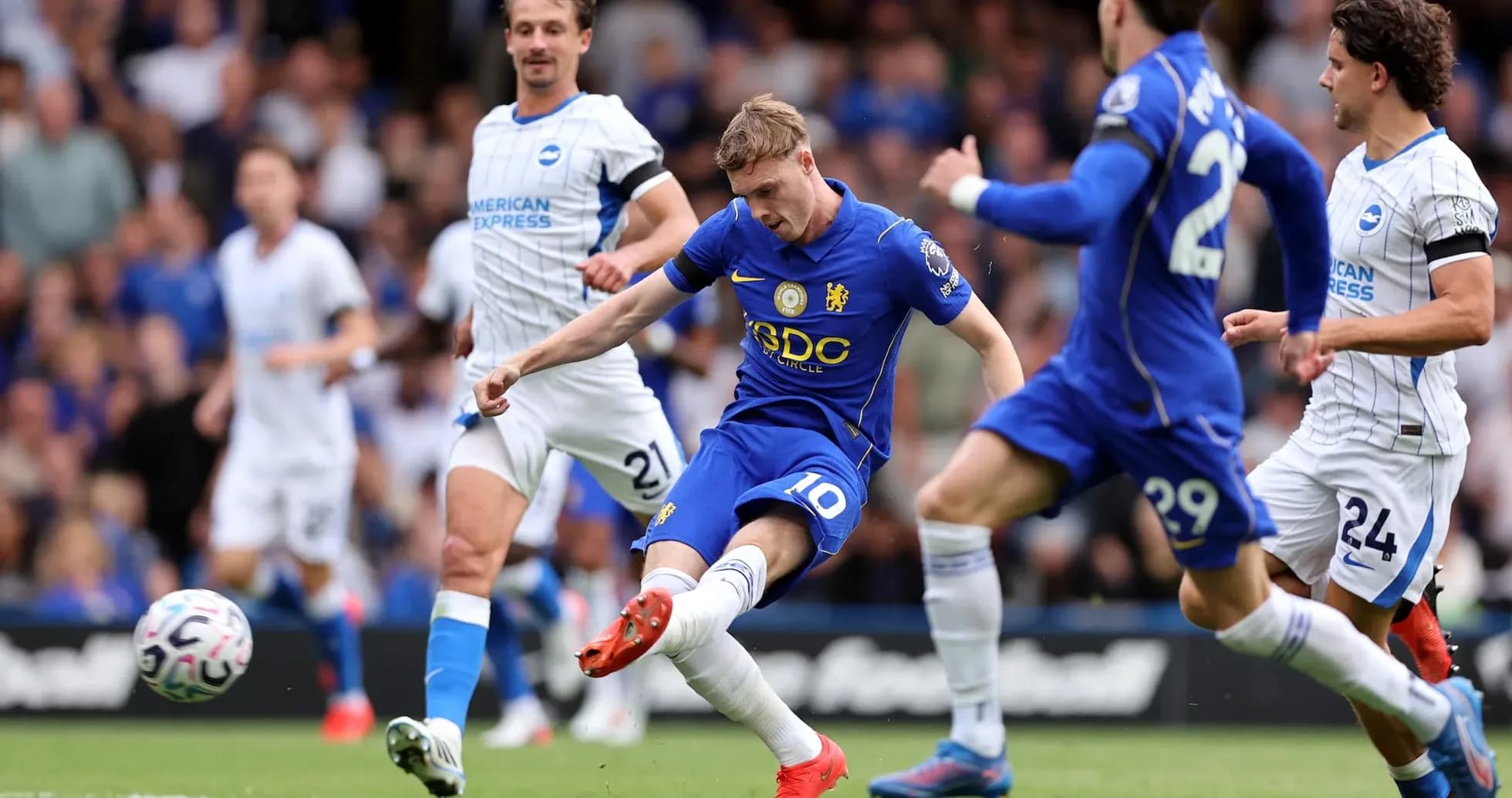
As the league’s current top scorer, Bruno Fernandes entered this fixture with 3 goals and 1 assist from 2 appearances, built on 5 total shots (4 on target) and 151 completed passes at 84% accuracy. Operating as the central 10 in United’s 4‑2‑3‑1, he was the hunter in the most dangerous pockets.
The shield he faced had already shown cracks. Overall, Ipswich had conceded 6 goals in 2 games, with 5 of those coming away from home. On their travels they were allowing 5.0 goals per match, a figure that reflects not just individual errors but systemic exposure. With both full‑backs asked to step high to support Fatawu and Maeda, the channels beside Diop and Greaves became prime real estate for Bruno’s late arrivals and slide‑rule passes into Cunha and Rashford.
Engine Room: Mainoo and Tielemans vs Lukic and Nunez
The game’s true axis lay in midfield. K. Mainoo and Y. Tielemans offered complementary profiles: Mainoo as the carrier and presser, Tielemans as the metronome. Their job was to dictate tempo and deny Enciso and Fatawu clean counters.
Opposite them, S. Lukic and M. Nunez were asked to do everything at once – screen Bruno, progress play, and still be close enough to support transitions. With no specialist ball‑winner like A. Matusiwa available, Ipswich’s double pivot was stretched horizontally and vertically. That strain opened seams for Bruno to receive between the lines and for Rashford to drive inside off the left, especially when Lukic was dragged towards Mbeumo on the opposite flank.
Wide Duels: Rashford and Mbeumo vs Fatawu and Maeda
On paper, the wingers’ battle was intriguing. I. Fatawu came into the game with 1 assist, 5 key passes and 12 dribble attempts, 6 of them successful – a high‑volume, high‑risk creator. J. Enciso, with 2 assists and 85% passing accuracy, added another layer of incision.
Yet their defensive load against United’s full‑backs and wide midfielders was enormous. Rashford, nominally starting from the left, repeatedly threatened L. Davis’s channel, while Mbeumo’s drifting movements asked constant questions of J. Greaves and D. O’Shea. Every time Fatawu or Maeda failed to track, Ipswich’s back four were left in unbalanced, four‑versus‑four situations against United’s front line.
IV. Statistical Prognosis – Why the scoreline made sense
Strip away the emotion, and the numbers make the 5–2 outcome feel less like an outlier and more like the logical extension of both teams’ early‑season DNA.
United’s attacking ceiling at Old Trafford was already flagged by their home average of 5.0 goals scored and 2.0 conceded. They had not kept a single clean sheet overall and had failed to score only once, away from home. That profile screams high‑event football: games where xG is likely to be inflated at both ends, with United’s individual quality tilting the balance.
Ipswich, meanwhile, arrived with no clean sheets overall and an away defensive average of 5.0 goals conceded. Their biggest away loss, 5–2, is now both a statistic and a story, underlining how their aggressive 4‑2‑3‑1 can unravel when the first line of pressure is bypassed and the double pivot is left to put out too many fires.
In a league where penalty efficiency often swings tight matches, United’s perfect record from the spot – 1 penalty taken, 1 scored, a literal 100.00% conversion – adds another weapon to their arsenal. Ipswich, with no penalties taken so far, lack that particular edge.
Put together, the tactical shapes, the absences, the disciplinary patterns and the season‑to‑date metrics all pointed in the same direction: an open contest where United’s superior firepower and Bruno Fernandes’ form would overwhelm an Ipswich side still learning how to protect itself away from home. The 5–2 scoreline did not just happen; it was, in many ways, foretold by the numbers.