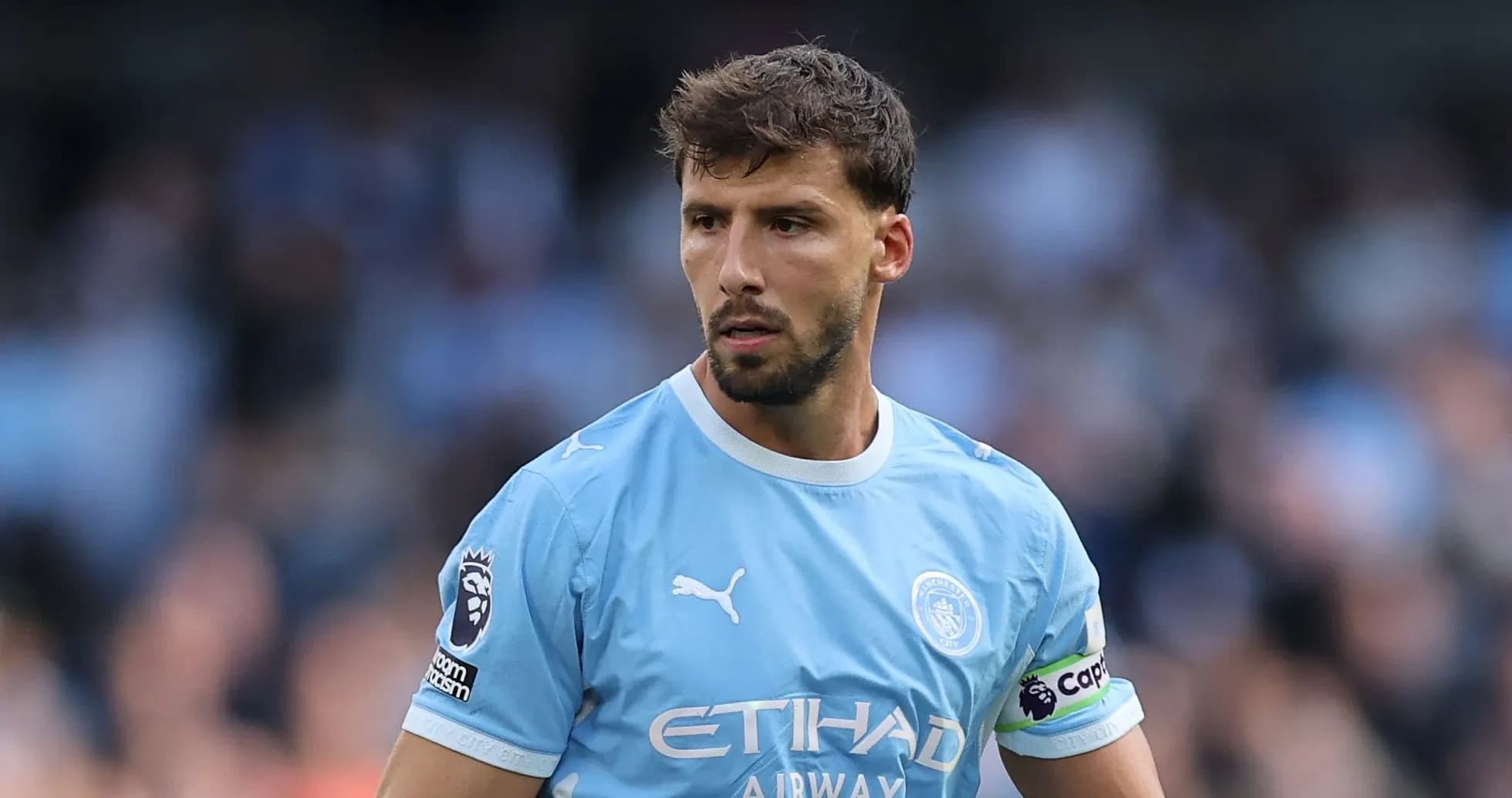
Manchester City's New Era: Ruben Dias as the Leader
The Guardiola decade is over. The spending has not stopped.
Manchester City have torn up and rewritten their squad for Enzo Maresca, dropping a Premier League record £458 million to remodel a team that had already conquered everything. Rodri gone. Bernardo Silva gone. John Stones gone. Cornerstones of a dynasty, moved on.
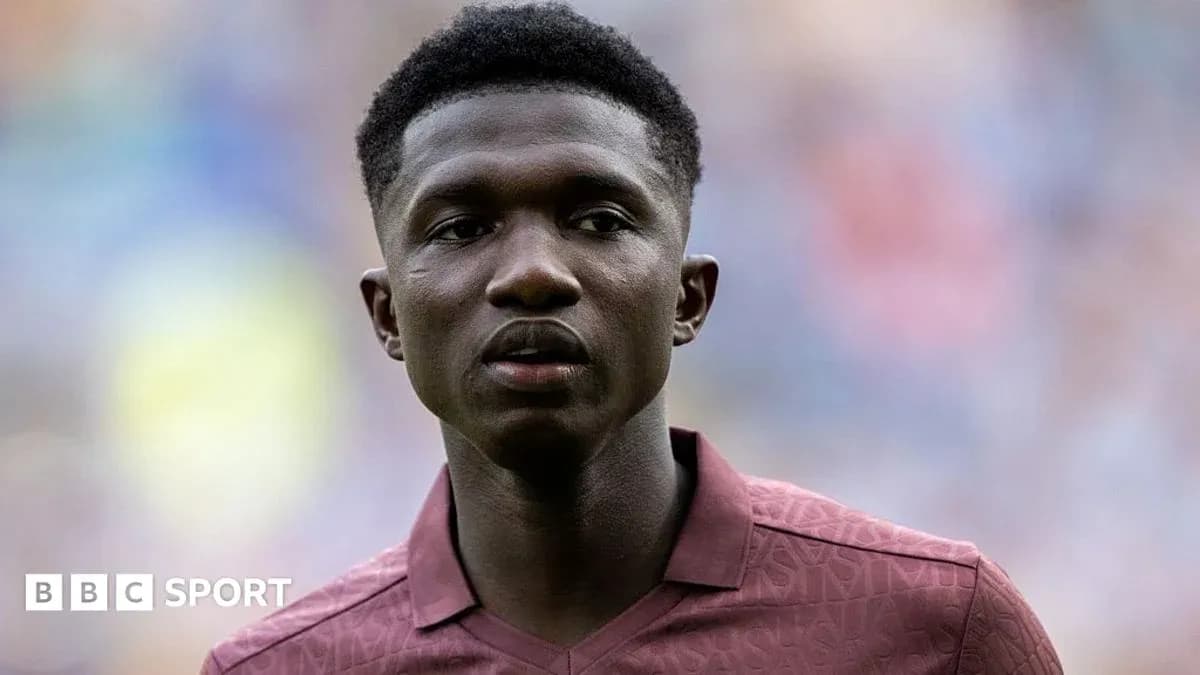
In their place, new blood. Enzo Fernandez, Elliot Anderson, Ayyoub Bouaddi – different profiles, same expectation: win now. The Etihad does not do transition seasons.
Dias, from lieutenant to leader
Amid the upheaval, one figure has quietly shifted from pillar to foundation. At 29, Ruben Dias suddenly finds himself as one of the elder voices in a dressing room that once felt untouchable. More than 250 appearances, four Premier League titles, a Champions League, and now a contract that runs to 2029.
His role, he insists, has not changed in essence – only in weight.
"In terms of the role I have, it goes down to trying to be the best version of yourself, and in terms of that, nothing has changed," he told BBC Sport. The faces around him have changed dramatically, though. "So many people have left and so many winners have left, and now new people have joined with a lot of ambition and people that are desperate to win and that is also what makes the club keep on going."
He is the bridge now: one foot in the Treble-winning past, the other in a squad still learning each other’s names.
Maresca’s smooth handover
The risk was obvious. Remove Pep Guardiola, the architect of a footballing machine, and drop in a new man with new ideas. Many clubs have stumbled on that step. City, so far, have not.
Maresca’s previous spell as Guardiola’s assistant has helped strip away the usual turbulence. The Italian has walked into a club he already knows, a structure he understands, and a group of players who recognise his voice. City have opened the season with four straight wins across the Premier League and Champions League, barely missing a beat.
Dias can feel why.
"There's obviously many things from training session to some details about the way we press, details about the way we defend and that make all of these Enzo's idea. I feel like everything is making a lot of sense," he explained. "Everyone is buying into the idea. Everyone's excited about it and there is a lot of joy in training, which is massively important."
The style has shifted in the margins, not in the core. Pressing triggers here, defensive details there – enough to make it Maresca’s City without tearing down what worked.
The emotional cost of change
The price of evolution is often emotional, and Dias did not hide from that.
He has seen close friends and long-term teammates walk out of the training ground for the last time. The men he lifted trophies with, the ones who defined City’s identity under Guardiola, are now part of the club’s history rather than its present.
"I am 29, I am going to be 30 next year but I am excited about all of this and all the things with the club, the new manager, new players, the new challenge, guys that I was so close with leaving," he said.
Then came the line that summed up the state of the club.
"It's the circle of life, you can call it and it is just how things are I am appreciative of all of it – I'm appreciative of the memories I have with all the ones that left and I'm excited with the memory about the memories I'm going to make with the ones that have just arrived."
For a player who has already won almost everything on offer, the temptation to ease off would be understandable. Dias is wired differently.
Legacy over medals
His new contract to 2029 is not just a financial commitment; it is a statement of intent. He wants longevity at the very top, not just a glittering highlight reel.
"I am still very ambitious," he said. "I took the decision of being at this level because I feel like I have won so much but maybe the thing that would be my biggest reward would be to be here so many years playing at this level and and having the consistency of being ambitious for so long."
That is the challenge now for City as a whole. Not just to prove they can win without Guardiola, Rodri, Bernardo, Stones and the rest, but to show that the culture they built can outlast any individual.
The money has been spent. The new manager is in place. The early results are flawless.
The question that will define this era is simple: can Ruben Dias and this remade City turn continuity of ambition into continuity of trophies?