Louisville City Triumphs Over Detroit City in USL League One Cup Shootout
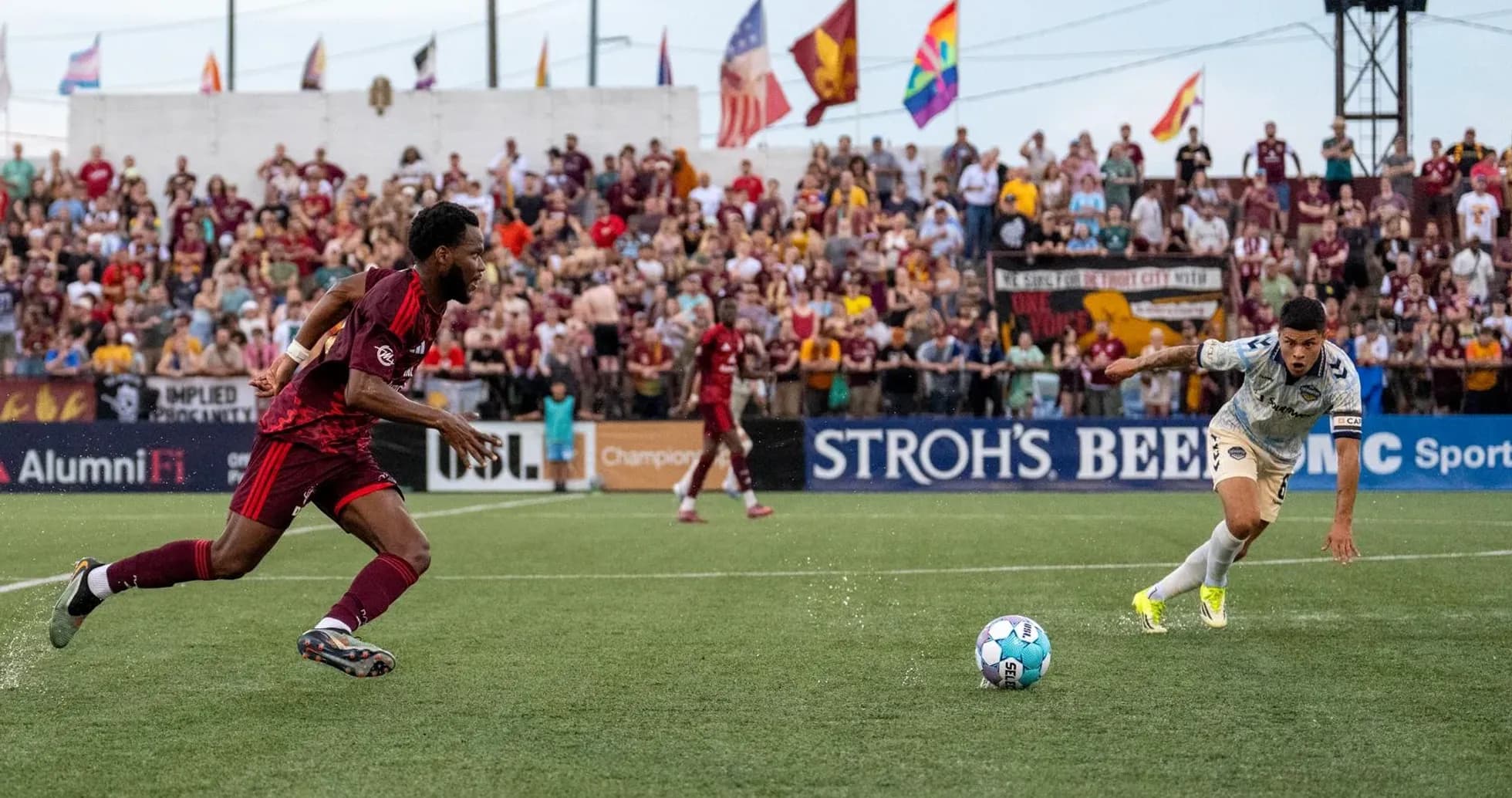
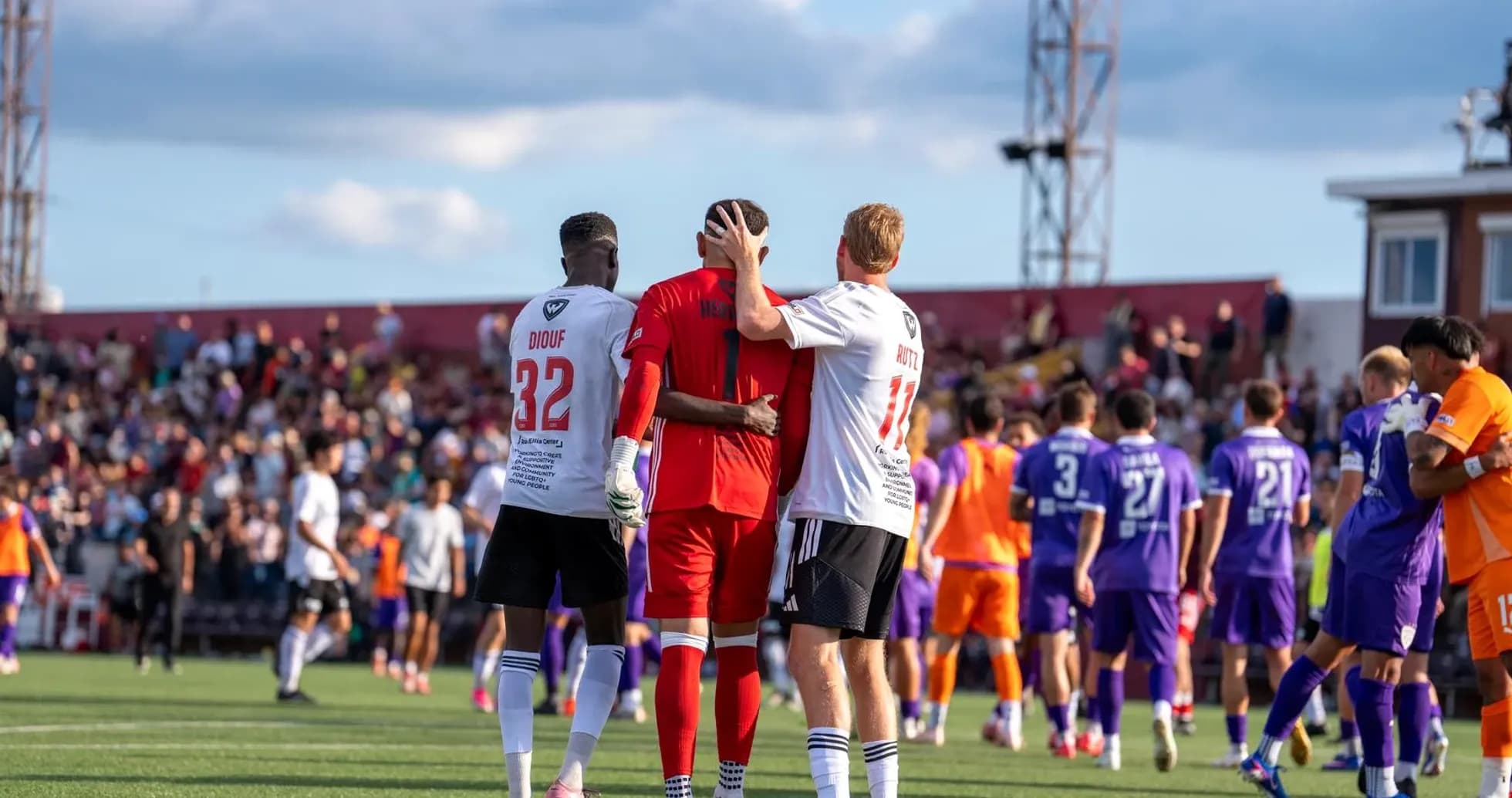
Under the lights at Keyworth Stadium, Detroit City and Louisville City played out 120 minutes that refused to yield a goal, before the USL League One Cup group-stage narrative was finally written from the penalty spot. Following this result, Louisville’s 4–3 shootout win after a 0–0 draw underlined the contrast between a side already moving with the confidence of group leaders and a host still searching for an attacking identity in this competition.
Heading into this game, the broader picture already framed the stakes. In Group 4, Louisville sat top with 6 points, a goal difference of 6, and a perfect “WWW” form line in the Cup, built on 9 goals scored in total and only 2 conceded. Detroit, by contrast, came in ranked 5th, with 4 points, a goal difference of -1, and a season pattern of “WLL” in the Cup: 2 goals scored in total and 3 conceded across 3 fixtures. At home specifically, Detroit had struggled, with 2 defeats from 2, averaging just 0.5 goals for and 1.5 against at Keyworth in this competition. On their travels, Louisville had been ruthless, winning both away games with 6 goals for and only 1 against, averaging 3.0 goals scored and 0.5 conceded away.
I. The Big Picture: Styles and Stakes
Detroit’s Cup DNA so far has been one of effort and structure, but with a blunt edge in front of goal. Overall they averaged 0.7 goals scored and 1.0 conceded per game, with just 1 clean sheet and 1 match where they failed to score. Louisville, in contrast, arrived as an attacking machine: 3.0 goals per game in total, home and away, backed by a defence that conceded just 0.7 on average. They had yet to taste defeat, had never failed to score, and had already produced a 3-1 home win and a 1-5 away statement.
At Keyworth, that clash of profiles produced a stalemate in open play. The match finished 0–0 after 120 minutes, but it was Louisville’s penalty pedigree that finally separated them. Their Cup record from the spot was perfect: 4 penalties taken, 4 scored, a 100.00% conversion rate heading into this fixture. Detroit, by contrast, had been far more erratic from 12 yards: 5 penalties in total, with 3 scored and 2 missed, a 60.00% success rate and 40.00% of attempts squandered. Those numbers hung over the shootout before a ball was even placed on the spot, and the eventual 4–3 outcome in Louisville’s favour felt like a statistical prophecy fulfilled.
II. Tactical Voids and Discipline
Neither side had a published list of absentees, so the story of tactical voids came more from structural tendencies than missing names. Danny Dichio’s Detroit XI leaned on a compact defensive line built around C. Herrera in goal, with H. Yamazaki, R. Hope-Gund, D. Amoo-Mensah and T. Silva forming the likely core of the back unit. In midfield, K. Hernandez-Foster and Rafa Mentzingen were asked to knit transitions, while A. Diop and A. Stanley provided legs and balance. Up front, A. Diouf and B. Morris were charged with stretching a Louisville defence that had rarely been exposed.
For Simon Bird’s Louisville, the spine was anchored by D. Faundez in goal and a defensive pairing fronted by S. Totsch and B. Dayes, flanked by A. McFadden and A. Dia. In front of them, Z. Duncan and B. Niang offered control and bite, while J. Morris and J. Wilson worked the channels. R. Serrano and T. Showunmi were the primary attacking threats.
Disciplinary patterns played their own quiet role. Heading into this game, Detroit’s yellow cards were distributed with a noticeable mid-game spike: 37.50% of their bookings came between 46-60 minutes, with another 25.00% in each of the 31-45 and 76-90 windows. That suggested a side that can become stretched after half-time and again in the closing phase. Louisville’s bookings were front-loaded into the first hour: 28.57% between 16-30 minutes, another 28.57% from 31-45, and 42.86% from 46-60. This is a team that plays on the edge early, but rarely loses control late.
III. Key Matchups: Hunter vs Shield, Engine Room
The “Hunter vs Shield” battle was more conceptual than individual, given the absence of explicit top-scorer data. For Detroit, the collective “Hunter” was an attack that had managed just 1 goal at home in this Cup, facing a Louisville “Shield” that had conceded only 1 goal away and 2 in total. Louisville’s back line, marshalled by Totsch and Dayes in front of Faundez, carried in the confidence of a unit that had already survived high-tempo away fixtures while allowing only 0.5 goals per away game.
On the other side, Louisville’s multi-headed attack – with Serrano and Showunmi supported by wide runners and late-arriving midfielders like Duncan – was up against a Detroit defence that, despite the overall negative goal difference, had been relatively sturdy at home in open play, conceding 3 goals across 2 home Cup fixtures. The fact that Louisville, usually a 3-goal-per-game side, were held to zero across 120 minutes is a quiet victory for Herrera, Hope-Gund, Amoo-Mensah and the Detroit structure.
The “Engine Room” confrontation hinged on how Detroit’s central trio could cope with Louisville’s rhythm-setters. Hernandez-Foster and Mentzingen needed to disrupt Duncan and Niang, who have underpinned Louisville’s ability to control territory and tempo. Over 120 minutes, Detroit managed to slow the visitors’ usual avalanche; the game never opened into the end-to-end chaos that Louisville’s numbers suggest they prefer.
IV. Statistical Prognosis and Verdict
From a statistical standpoint, the prognosis before a ball was kicked tilted heavily toward Louisville. A side averaging 3.0 goals per game in total, undefeated, with a +7 goal swing between total goals for (9) and against (2), arriving to face a host averaging 0.7 goals for and 1.0 against, winless at home in the Cup. Add in Louisville’s perfect penalty record versus Detroit’s 40.00% miss rate, and the margins in a knockout-style finish were always likely to favour the visitors.
Following this result, the numbers and the narrative align. Detroit showed they can drag a superior attacking side into deep water and survive for 120 minutes, but their ongoing issues in the final third and from the spot remain a clear tactical void. Louisville, meanwhile, proved they can win even when their free-scoring attack is blunted, leaning on defensive organisation and ice-cold composure from 12 yards.
In a group where fine details often decide progression, this night at Keyworth Stadium will be remembered less for the lack of goals in open play and more for how the underlying season statistics quietly predicted the drama of the shootout – and the identity of the team that walked away.