Lexington vs Indy Eleven: Penalty Drama in USL League One Cup
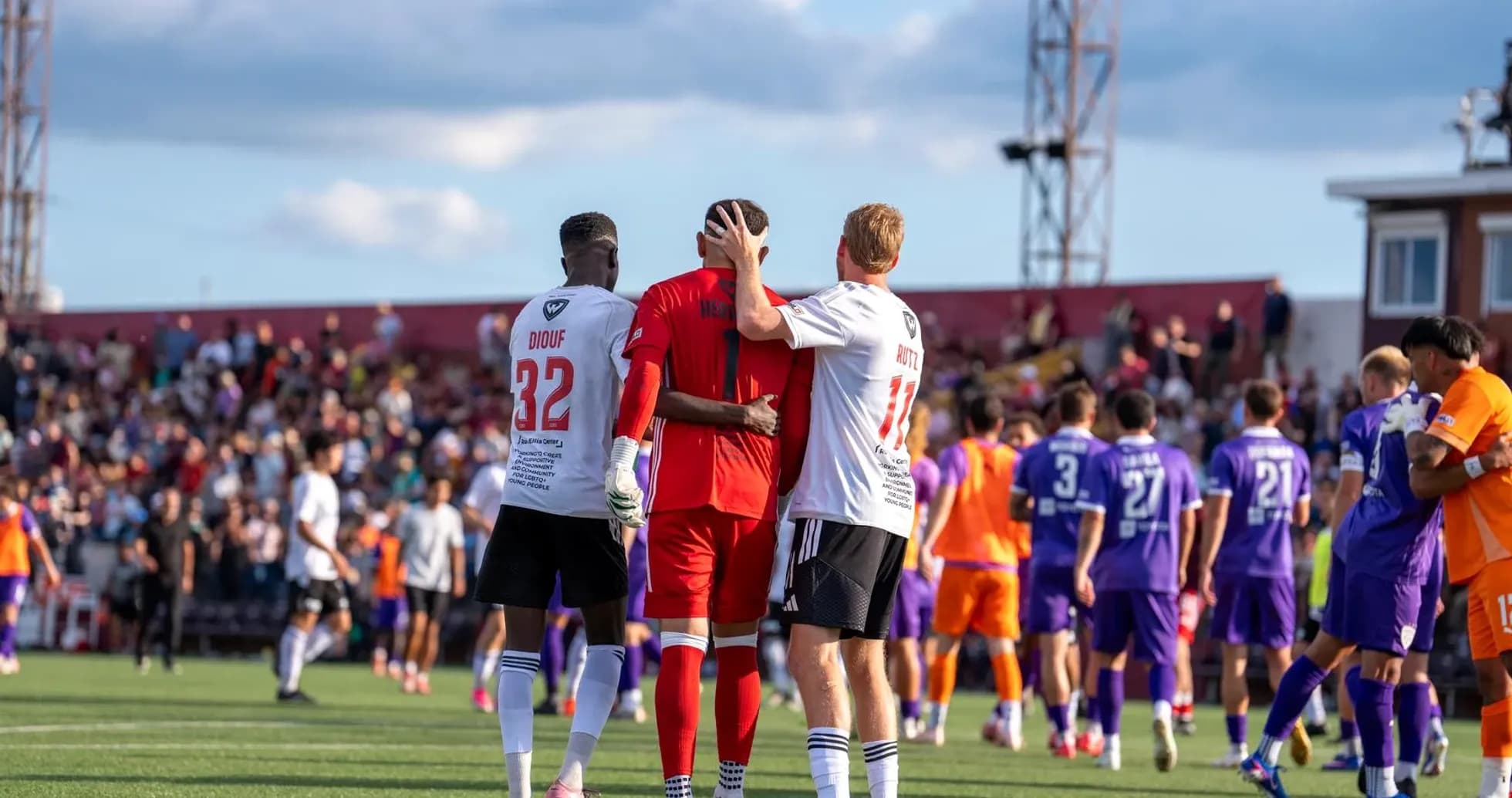
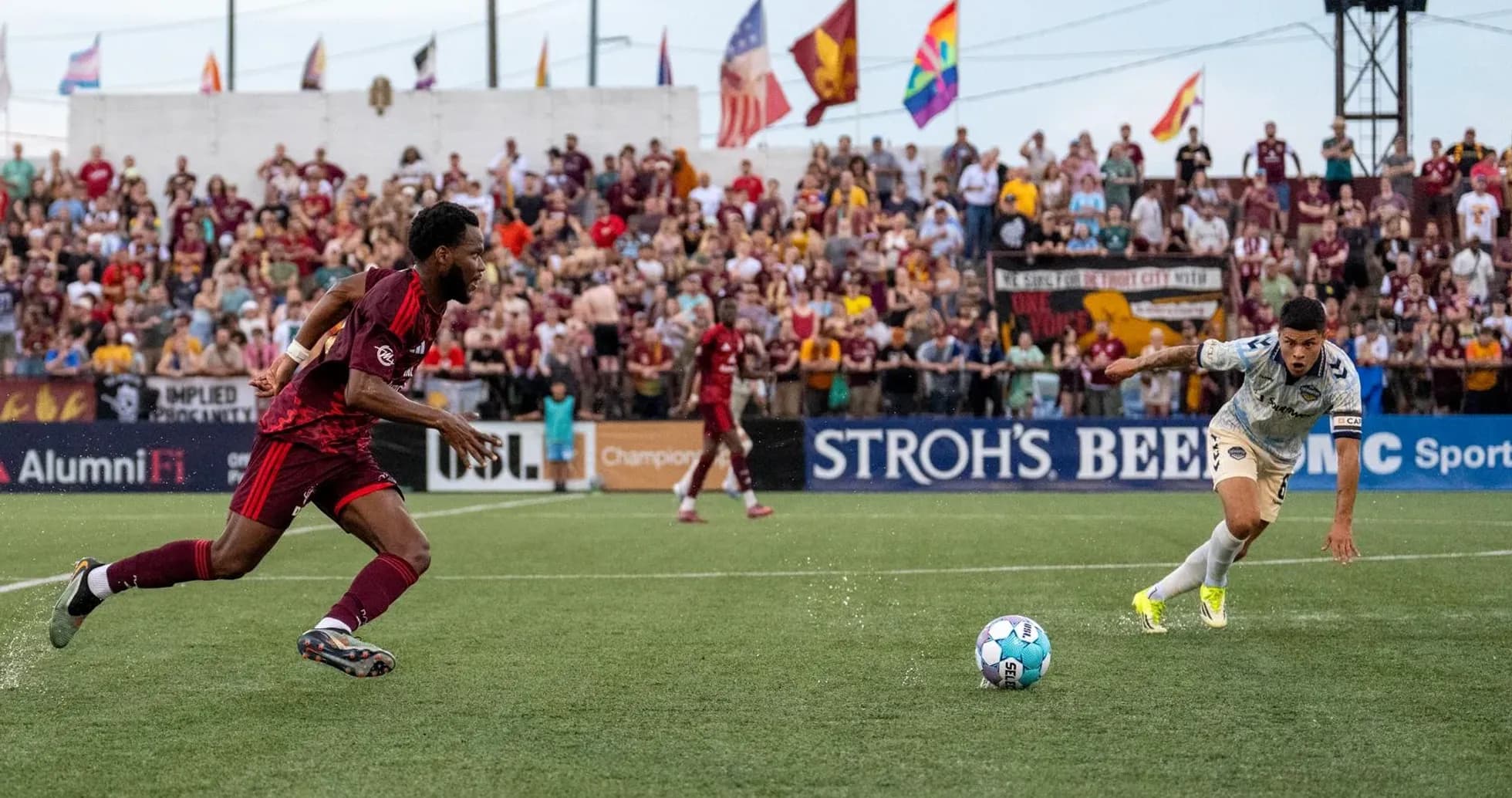
Under the Toyota Stadium lights, Lexington and Indy Eleven went the full distance in a USL League One Cup Group Stage tie that refused to yield a winner over 120 minutes, before Indy edged it 7–6 on penalties. Following this result, the group table tightens between two sides whose seasonal identities are intriguingly similar: both are aggressive going forward, both live with defensive risk, and both lean heavily on set‑piece and penalty efficiency.
Heading into this game, Lexington carried the swagger of a side with momentum. In their group, they sat 3rd with 5 points and a goal difference of 4, built from 8 goals for and 4 against. Their broader cup statistics echo that front‑foot profile: overall they averaged 2.0 goals for per match and 1.3 conceded, with 6 goals scored in total and 4 allowed across 3 fixtures. At home, Lexington’s attack had been sharp, with 4 goals scored and 3 conceded, again at an average of 2.0 scored and 1.5 allowed.
Indy Eleven, ranked 4th in the same group with 5 points and a goal difference of 3 (8 scored, 5 conceded), arrived with a slightly different balance: a side more stable defensively over the season, yet no less dangerous. Across the competition they produced 7 goals in total at an overall average of 1.8 per match, while conceding 4 at an impressively tight 1.0 per game. On their travels, Indy had been particularly efficient: 4 goals scored and 2 conceded away, averaging 2.0 for and 1.0 against.
The penalty shootout that decided this match felt like an extension of each team’s season‑long relationship with spot kicks. Lexington had earned 8 penalties overall in this cup run, converting 6 (75.00%) and missing 2, while Indy’s record was even more ruthless: 7 scored from 8 (87.50%), with only 1 miss. In a tie that finished 0–0 after 120 minutes, those underlying numbers were always going to matter.
Tactical voids and discipline
With no official injury or suspension list provided, both coaches appeared to lean on their core groups. Masaki Hemmi’s Lexington XI was built around continuity in key lanes: O. Semmle in goal, a defensive spine featuring A. Ordonez and J. Brown, and a midfield axis of B. Ferri and A. Molloy. Ahead of them, the creative burden rested with M. Adedokun and Nick Firmino, flanked by the direct running of M. Epps and the presence of B. P. Rodrigues.
Sean McAuley’s Indy Eleven side mirrored that structure: R. Charles‑Cook between the posts, a back line with L. Neidlinger, M. Rasheed and P. Craig, and a midfield blend of M. Omar, B. Rendon and J. O’Brien tasked with linking into the attacking craft of N. Okello and K. Williams, with D. Sing providing movement up top.
Disciplinary trends across the competition framed how both benches would have approached game management. Lexington’s yellow cards are spread across the full 90, but with notable spikes: 22.22% of their cautions arrive between 31–45 minutes and another 22.22% from 46–60, with a further 22.22% in the 76–90 window. It paints a picture of a side that tackles aggressively both before and after half‑time, then again as matches stretch late on.
Indy’s distribution is similarly front‑loaded but slightly more concentrated: 22.22% of their yellows in the 16–30 range, 22.22% between 31–45, and another 22.22% from 61–75. Both teams, crucially, have no red cards recorded across any time band, suggesting controlled aggression rather than recklessness.
In a knockout‑style scenario decided by penalties, that discipline matters. Neither side could afford to go down to ten men, and the statistical record suggests both coaches could trust their players to walk the line without stepping over it.
Key matchups
With no explicit top‑scorer list available, the “hunter” role for Lexington is best understood collectively. Their overall 2.0 goals per game, combined with the home record of 4 goals in 2 fixtures, points to a multi‑source threat: the late‑arriving runs of Ferri and Molloy, the creativity of Adedokun and Firmino between the lines, and the penalty‑box instincts of Epps and B. P. Rodrigues.
That attacking unit ran into an Indy defensive structure that, on the numbers, is one of the more efficient in the competition. Overall, Indy concede just 1.0 goal per match, and on their travels they have allowed only 2 in total at an away average of 1.0. The back four anchored by Rasheed and Craig, shielded by Omar and Rendon, has produced 2 clean sheets overall, 1 at home and 1 away. In this match, that “shield” held firm through 120 minutes.
On the flip side, Indy’s own attacking “hunters” – the technical craft of Williams, the height and link play of Okello, and the movement of Sing – usually operate at an away average of 2.0 goals per game. Their task was to pierce a Lexington defence that, while conceding 1.3 per match overall and 1.5 at home, had shown resilience in key moments. Semmle, Ordonez and Brown form a unit that rarely keeps clean sheets (0 overall), but often bends without fully breaking.
Engine room
The central battle was always going to revolve around Lexington’s double pivot of Ferri and Molloy against Indy’s trio of Omar, Rendon and O’Brien. Lexington’s season‑long pattern of scoring 2.0 goals per match but also conceding 1.3 suggests that their midfield is committed to progressing the ball, even at the cost of leaving spaces behind.
Indy, by contrast, have found a more balanced equilibrium: 1.8 goals scored and 1.0 conceded overall. Omar’s role as a screening midfielder, supported by Rendon’s work rate and O’Brien’s ability to step into passing lanes, underpins that stability. Their job was to disrupt Firmino’s receiving pockets and cut off the service to Epps and Rodrigues, while still providing platforms for Williams and Okello to combine.
On the bench, Lexington had the energetic legs of L. Blessing and the fresh running of M. Muir and T. Scott to change the rhythm, while Indy could turn to J. Blake for midfield control or C. Sharp and L. Mesanvi to alter the profile of their front line. In a game that went the distance, those substitution vectors – [IN] replaced [OUT] – would have been less about changing shape and more about maintaining intensity.
Statistical prognosis
From an analytical standpoint, this was always likely to be tight. Lexington’s overall attacking average of 2.0 goals per match ran into an Indy defence conceding only 1.0, while Indy’s own 1.8 goals per game met a Lexington back line that, although statistically porous at 1.3 conceded, had shown the capacity to absorb pressure and rely on Semmle’s shot‑stopping.
The penalty storyline was foreshadowed by the numbers. Lexington’s 75.00% conversion rate, with 2 misses from 8, hinted at quality but not perfection from the spot. Indy’s 87.50% record, with only 1 miss from 8, suggested a group comfortable under the 12‑yard spotlight. When the match finished 0–0 after 120 minutes, the shootout became less a lottery and more an expression of established tendencies.
Following this result, the tactical verdict is clear: Lexington remain a high‑ceiling, high‑variance side whose attacking ambition will keep them in every tie but whose lack of clean sheets can drag them into fine margins. Indy, by contrast, look built for knockout football – controlled at the back, efficient in front of goal, and statistically superior from the spot. In a group defined by small edges, that combination is precisely what carried them through the longest night at Toyota Stadium.