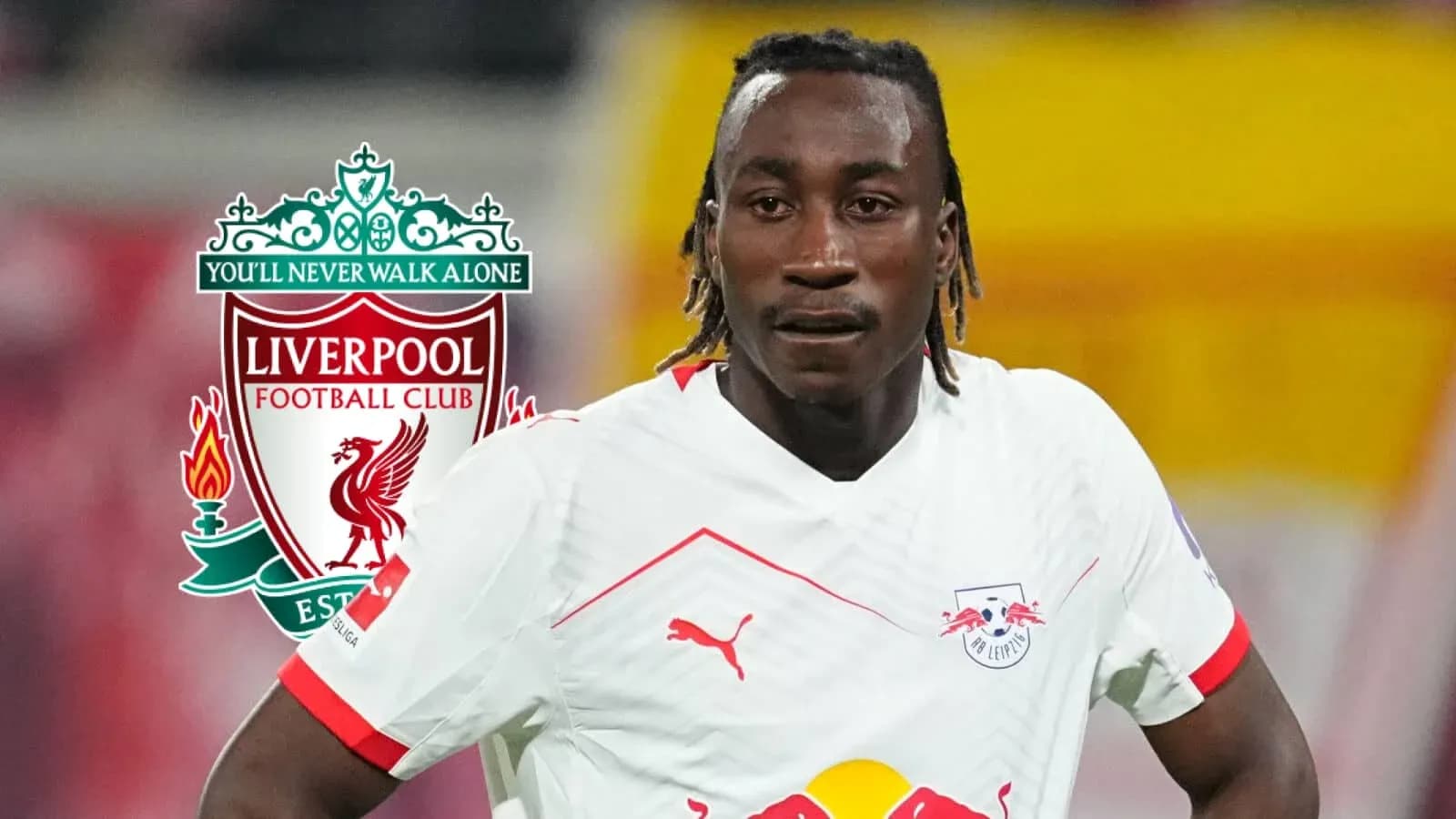
Liverpool's Clever Transfer Trick and Mo Salah's Non-Story
The World Cup is in full swing, England are in camp, and yet the loudest noise around the game today comes not from the pitch, but from the press. From Noel Gallagher to Mo Salah and a Liverpool “masterstroke” worth a little over £1m, this is the modern football circus in full technicolour.
Wonderwall, Again
The Sun led with a front-page “exclusive” that felt like a time warp.
“Noel Gallagher backs Sun’s campaign to make Wonderwall England’s official World Cup anthem after ‘magical’ singalong.”
Of course he does. Noel Gallagher backing Wonderwall as an England anthem is not news; Noel Gallagher refusing to back Wonderwall would be. That would actually stop a newsroom.
Even then, the endorsement is hardly emphatic. His words?
“Wonderwall belongs to the people, and it was a magical moment between the people and the players. Best of luck to everyone who’s made the trip out there.”
That’s polite, boilerplate stuff. Not exactly a manifesto for a national soundtrack. It reads more like a man who’s been asked about Wonderwall for the 10,000th time and has learned to smile through it.
The supporting cast makes the whole thing feel even thinner. The “celebrities” lining up behind the campaign? TV presenter Rob Rinder and singer Olly Murs.
Rinder: “If our boys are going to bring football home, let’s give them a song that belongs to all of us!”
Murs: “The players are singing it, the fans are singing it…we need an official England Wonderwall video! It already feels like the soundtrack to this World Cup.”
If that’s the A‑list, the campaign might need a new booking agent.
Slushies and Serious Faces
The real “exclusive” in The Sun, though, arrived via Tom Barclay from England’s base in Kansas: the national team have slushie machines at their training ground.
Yes, really.
We are told, helpfully, what a slushie is: crushed ice and flavoured syrup, with England’s versions upgraded by electrolytes for recovery. As if nobody who has ever parented, or been, an eight-year-old has encountered one before.
The detail goes deep. At the Swope Soccer Village facility in Missouri, players can choose from two flavours after each session. Blue blueberry. Red raspberry. And a mysterious green effort, “believed to be either apple or lime.”
Believed to be. A World Cup, a global audience, and we’re stuck on the unsolved riddle of the green slushie. Somewhere, investigative journalism weeps.
The drinks are even given pun-laden names based on squad members. “Jordan Ice Pickford.” “Ice, Rice Baby” for Declan Rice. “Freeze James” for Reece James. “Jarell Thirst Quencher” for Jarell Quansah.
It doesn’t stop there: Dan “Brrrrrrn”, “Eberrrrrechi Eze”, “Ice Lolly Watkins”, “Marcus Rashberry”, “Cold Trafford” for James Trafford and “Bluekayo Saka” when the mix turns blue.
It’s a cute detail from camp, the kind of thing that might work as a single paragraph of colour in a broader training-ground piece. Stretched into a standalone “big exclusive”, it feels like a story written on the way to finding an actual story.
Mo Salah and a Manufactured “Dig”
Over at the Daily Mirror, the headline writers went for drama:
“Egypt manager breaks down in tears and makes sly Mo Salah dig after World Cup heroics.”
It sounds incendiary. A coach in tears, a national icon in the firing line, all on the night Mohamed Salah becomes Egypt’s record World Cup scorer and leads them to their first ever win at the tournament.
Except that’s not what happened.
Hossam Hassan’s comments were framed not as an attack on Salah, but as a criticism of how others have used him. The Mirror’s own copy makes that clear: it was “a dig, seemingly, at the mishandling of Liverpool icon Mohamed Salah,” aimed “towards some of the tacticians that have had Salah at their disposal.”
In other words, a complaint about coaches, not about the player. So the “sly Mo Salah dig” dissolves on contact with the actual quotes. A record-breaking night for a national hero reduced to a hook for a narrative that doesn’t really exist.
Liverpool’s “Clever Transfer Trick”
Once Liverpool fans have brushed off that supposed slight to their talisman, they can turn to the Daily Express and a headline that promises much:
“Liverpool’s clever transfer trick pays off as medical takes place today.”
This is the stuff of modern Anfield mythology. The canny operators in the recruitment department. The sell-on clauses. The quiet deals that suddenly deliver windfalls.
The story? Bobby Clark is joining Derby County for £6m. Liverpool inserted a 17.5 per cent sell-on clause in his deal. That clause now nets them just over £1m.
The Express calls it a “clever transfer trick” and claims it will help them “bank a significant sum.” The suggestion is clear: this is the kind of smart business that powers a title challenge, that might even fund a move for someone like Yan Diomande.
Then comes the climbdown.
“While not a huge amount of money in the grand scheme of things, it will represent a welcome boost for Liverpool as they go in search of reinforcements in the summer market.”
Just over £1m in a market where elite centre-backs are quoted at ten times that before you’ve even picked up the phone. In Diomande terms, it covers a fraction of the fee. Useful? Yes. “Significant” in the current market? Only if you squint.
The sell-on clause is good business. It’s also standard practice at the top level. Dressing it up as a grand “trick” says more about the hunger for a transfer narrative than it does about the actual numbers.
Lineker, Netflix and the “Last Laugh”
The Sun’s website shifted lanes again with a headline that had a whiff of broadsheet swagger:
“BBC have last laugh as ratings in podcast war vs Gary Lineker revealed.”
On one side, Lineker with a £14m Netflix deal, spending a few weeks in New York, talking football with friends and drawing over 100,000 viewers per day. On the other, the BBC’s Football Daily, peaking at nearly 250,000 daily streams and regularly topping 100,000 on iPlayer alone.
It’s framed as a victory for the corporation, a “last laugh” in a supposed battle for ears and eyes. In reality, both are doing very nicely in different spaces, with different models and different expectations. It’s less a war than a crowded marketplace where more than one show can thrive.
Neville, Maguire and an England Blueprint
Finally, to The Times, where Phil Neville offered a stark verdict on Harry Maguire’s place in the current England side:
“Harry Maguire couldn’t play in this side – Tuchel was right to ditch him.”
The standfirst spelled out the logic: England’s head coach wants only fast, athletic centre-backs who can defend man-to-man. Manchester United, by contrast, play compact, counterattacking football, a system more forgiving of Maguire’s profile.
It’s a clean, uncompromising argument. Yet it jars slightly with the reality of England’s selections, where the “fast and athletic” ideal has at times given way to more nuanced choices. Dan Burn and John Stones are hardly sprinters, but they were trusted in key roles.
The debate around Maguire, pace and England’s defensive identity will not vanish with a single column. It cuts to the heart of how this team wants to defend on the biggest stage: on the front foot, or with the safety net pulled a little closer.
In a week of slushie flavours, recycled anthems and overblown “tricks”, that tactical question is one of the few issues that might actually shape what happens when the football starts to matter most.