Lazio vs Pisa: Serie A Final Match Overview
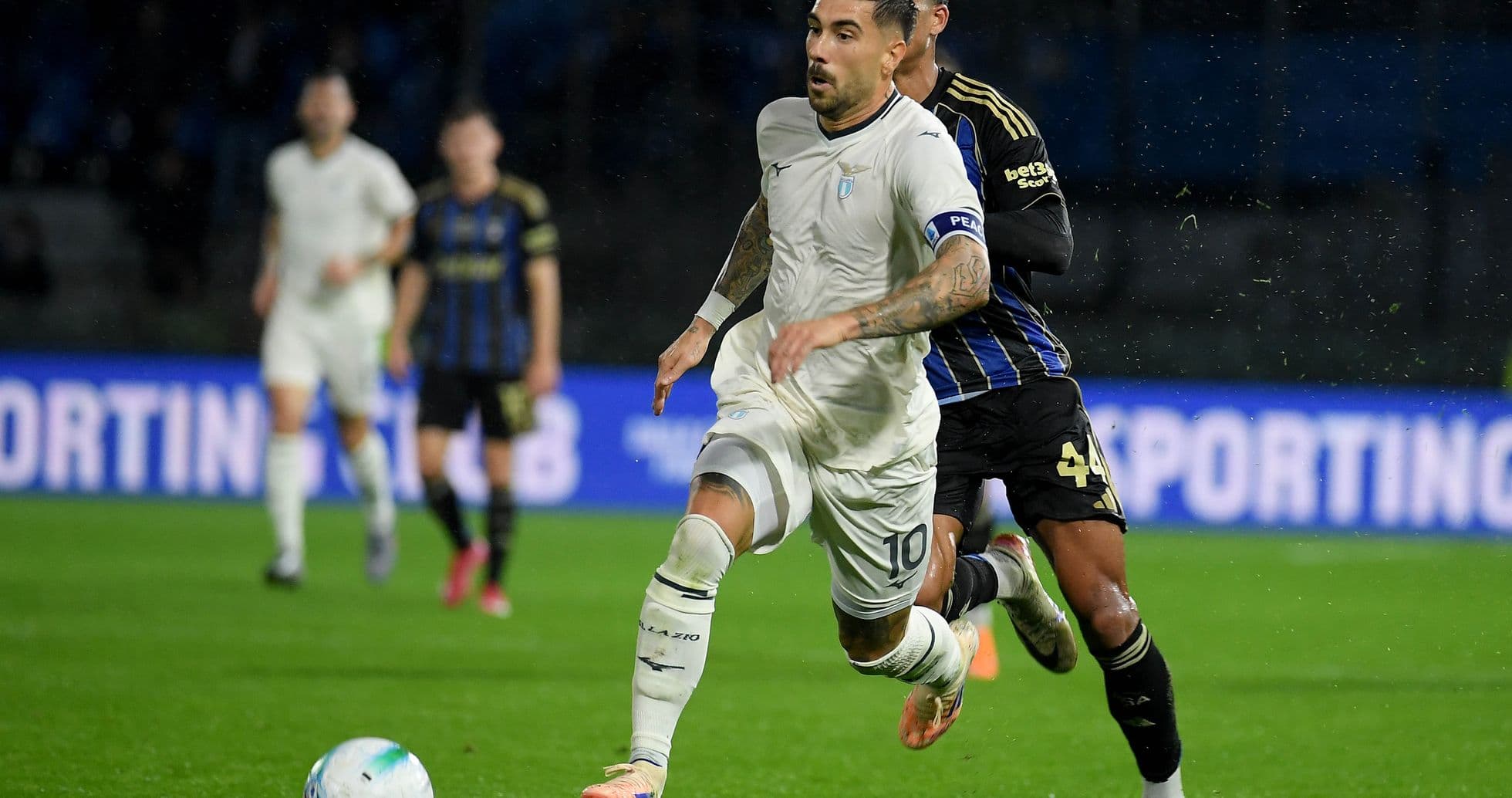
Lazio host Pisa at Stadio Olimpico in the final round of Serie A in 2026, a match with asymmetrical stakes: Lazio, 9th with 51 points and a neutral goal difference (39 scored, 39 conceded in the league phase), are playing for marginal upward movement and prize-money positioning, while Pisa, bottom in 20th on 18 points with a -44 goal difference (25 scored, 69 conceded in the league phase) and already marked for relegation to Serie B, are closing a bruising campaign.
Head-to-Head Tactical Summary
The only recent meeting in this Serie A campaign came on 30 October 2025 at Arena Garibaldi - Stadio Romeo Anconetani in Pisa, where Pisa and Lazio drew 0-0. The match was goalless at half-time and full-time, underlining a cautious, low-risk pattern from both sides in that fixture, with Lazio unable to convert their superior overall squad profile into goals away from home, and Pisa managing to contain but not threaten decisively.
Global Season Picture
- League Phase Performance: In the league phase, Lazio sit 9th with 51 points from 37 matches (13 wins, 12 draws, 12 losses), scoring 39 and conceding 39. Their home record is moderately solid (7 wins, 6 draws, 5 losses, 25 goals for, 24 against), reflecting a balanced but not dominant profile at Stadio Olimpico. Pisa are 20th with 18 points from 37 matches (2 wins, 12 draws, 23 losses), with 25 goals scored and 69 conceded in the league phase. Away from home they have yet to win (0 wins, 8 draws, 10 losses, 16 goals for, 43 against), highlighting a fragile defense (43 conceded) and limited attacking output.
- Season Metrics: In the league phase, Lazio’s statistical profile shows a team that plays with structure but limited cutting edge. They average 1.1 goals scored and 1.1 conceded per match, with 15 clean sheets and 17 matches without scoring, pointing to a compact but often blunt side. Their preferred setup is stable, with a 4-3-3 formation used in 35 matches and 4-2-3-1 in 2, suggesting tactical continuity. Disciplinary data show a significant concentration of yellow cards late in games (26.32% of yellows between minutes 76–90), and red cards also skewed toward the final quarter, indicating increased risk management issues as matches stretch. Pisa, in the league phase, average 0.7 goals scored and 1.9 conceded per match, confirming a vulnerable defense and underpowered attack. They have kept only 5 clean sheets and failed to score in 21 games, underscoring persistent offensive inefficiency. Tactically, Pisa have rotated through multiple systems (most often 3-5-2 in 20 games and 3-4-2-1 in 12), reflecting a search for balance that has not stabilized results. Their yellow cards are also heavily backloaded (25.97% in minutes 76–90), and red cards cluster around the end of the first half, hinting at stress under pressure phases.
- Form Trajectory: In the league phase, Lazio’s recent form string of LLWDW shows inconsistency but with a slight positive tilt: two defeats, then a draw and two wins in the last five, suggesting a mild late-season recovery after setbacks. Pisa’s form string of LLLLL indicates five consecutive losses, reinforcing a downward spiral with no points gained over that stretch and confirming that their relegation trajectory has not been arrested late in the campaign.
Tactical Efficiency
Without explicit numerical Attack/Defense Index values from the comparison block, the efficiency picture must be inferred from league-phase statistics. Lazio’s attack is functional rather than explosive (1.1 goals per match, 17 games without scoring), but their 15 clean sheets and symmetric goals for/against (39–39) show a relatively controlled defensive structure. This profile aligns with an efficiency pattern where Lazio’s defensive index is stronger than their attacking index: they are capable of shutting games down but struggle to consistently convert territory and structure into goals. Pisa’s efficiency is markedly lower on both sides of the ball. An average of 0.7 goals scored per match, combined with 1.9 conceded, indicates a weak attacking index and a porous defense. The away defensive record (43 conceded in 18 matches, 2.4 per game) is particularly damaging, suggesting that even modest attacking pressure from Lazio tends to translate into chances and goals against Pisa-level defenses. The tactical contrast is therefore clear: Lazio’s system is stable and defensively competent but not ruthless; Pisa’s is unstable, with frequent formation changes and poor defensive outputs that undermine any attacking intent.
The Verdict: Seasonal Impact
For Lazio, this finale is about optimizing a mid-table outcome and building a performance platform for the next year. A win would likely secure a top-half finish and could marginally improve their ranking and financial distribution, but it does not materially alter the title or European qualification picture. However, from a strategic standpoint, a dominant performance against the league’s weakest defense would be an important signal that their controlled, low-scoring profile can be translated into more assertive attacking displays at home. Dropped points, by contrast, would underline the ceiling of this current tactical approach and raise questions about their ability to break down low-block or struggling opponents, an issue that has already produced 17 games without scoring in the league phase. For Pisa, the result does not change relegation—they are already confirmed for Serie B—but it can shape the narrative entering the lower division. A heavy defeat would reinforce the perception of a side that is outmatched at Serie A level and require a psychological reset in the summer. A competitive display or positive result, especially away where they have not yet won, would provide a small but valuable confidence marker for the rebuild. In the broader league context, this match is not decisive for the title or European places, but it is a key data point for Lazio’s off-season planning and Pisa’s transition strategy after a defensively fragile and attack-light campaign.