Derby della Mole Ends in Draw: Torino vs Juventus Analysis
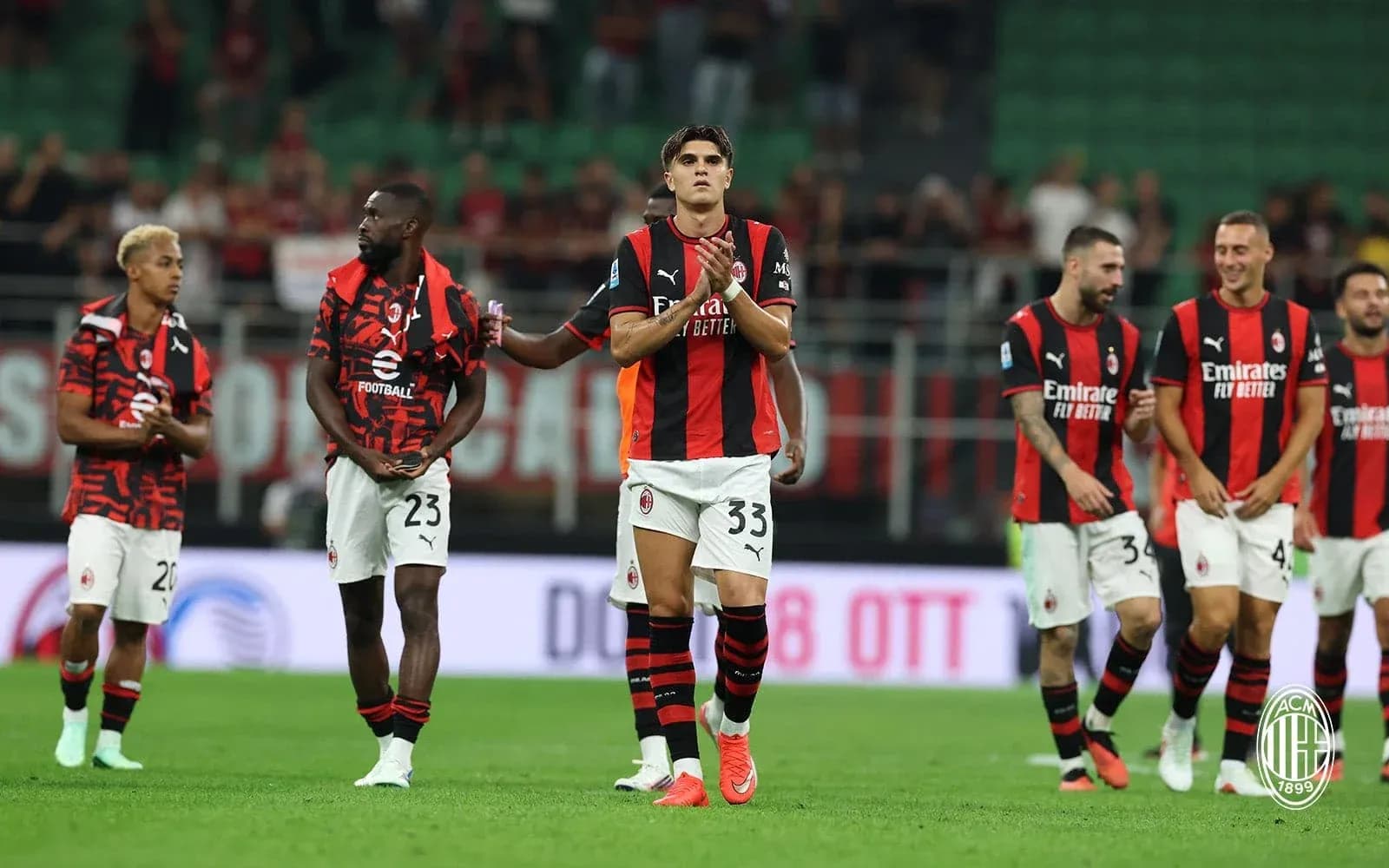
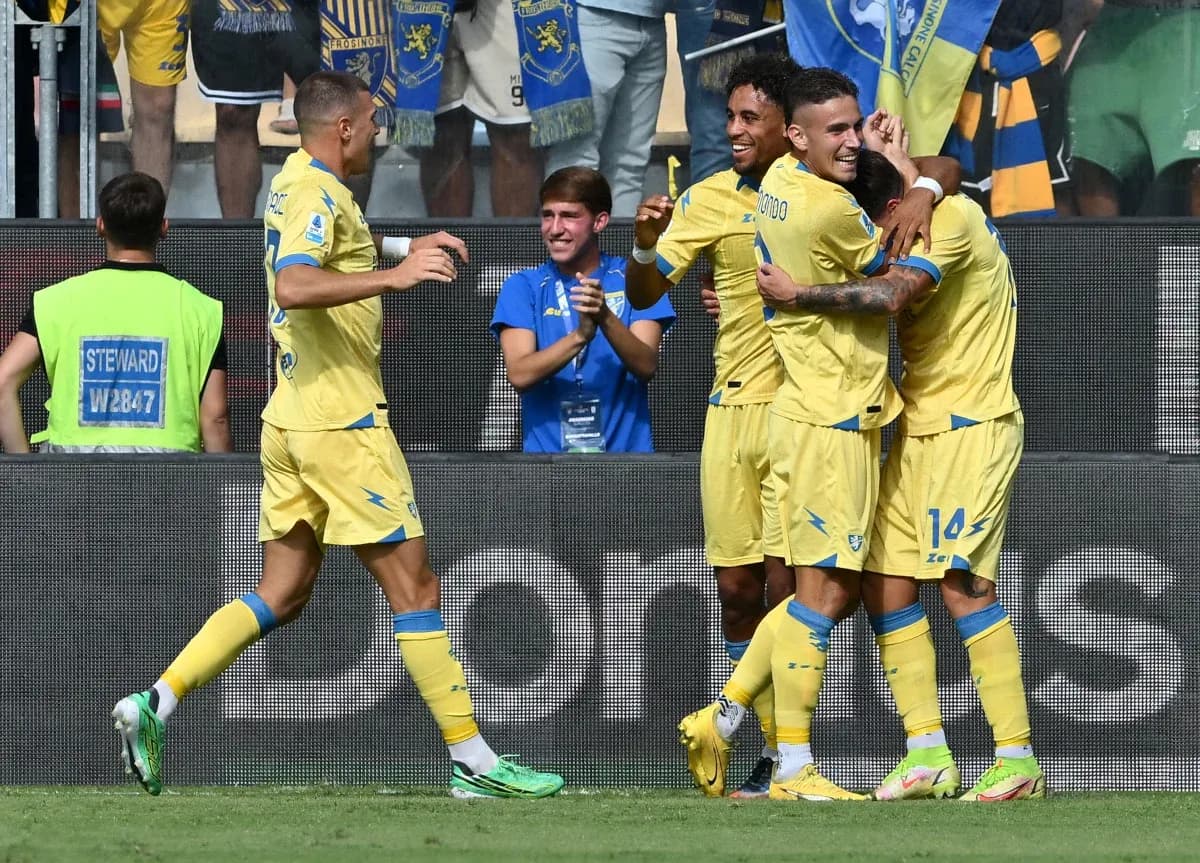
The Derby della Mole closed its Serie A season under the Turin dusk with a script that refused to pick a winner. At the Stadio Olimpico Grande Torino, Torino and Juventus traded blows and, after 90 minutes, settled on a 2–2 draw that neatly encapsulated their 2025 campaign identities: Torino’s volatility and Juventus’ controlled menace.
Following this result, the table tells its own story. Torino finish 12th on 45 points, their goal difference of -19 the stark product of 44 goals scored and 63 conceded overall. Juventus lock in 6th with 69 points, a goal difference of 27 built from 61 goals for and 34 against across 38 matches. One side flirting with chaos, the other living on structure.
I. The Big Picture – Structures and Season DNA
Leonardo Colucci doubled down on Torino’s three-at-the-back identity with a 3-4-1-2. A. Paleari anchored a back line of S. Coco, A. Ismajli and E. Ebosse, with width and work-rate from M. Pedersen and R. Obrador. In the middle, the youthful axis of E. Ilkhan and G. Gineitis provided legs and verticality, while N. Vlasic floated as the connective 10 behind a bruising, contrasting front two: the penalty-box instincts of G. Simeone and the power of D. Zapata.
Across from them, Luciano Spalletti’s Juventus stayed loyal to their season’s core: a 3-4-2-1 that has been used in 24 league matches. M. Perin sat behind a back three of P. Kalulu, F. Gatti and L. Kelly. The wing lanes belonged to A. Cambiaso and W. McKennie, with M. Locatelli and K. Thuram forming the double pivot. Ahead, J. Boga and Francisco Conceição floated behind D. Vlahovic, a front trio built to stretch and isolate.
The season numbers framed the clash. At home, Torino have averaged 1.4 goals for and 1.5 against, a narrow positive attacking edge often undone by defensive lapses. Juventus, on their travels, have been methodical: 1.4 goals for and only 0.9 conceded away, with 8 away clean sheets and just 18 away goals against. This was, on paper, a meeting between a side that lives on emotional surges and another that survives by defensive control.
II. Tactical Voids – Absences and Discipline
Torino arrived shorthanded. Z. Aboukhlal (muscle injury), F. Anjorin (hip injury) and L. Marianucci (knee injury) all missed out, stripping Colucci of rotation options and late-game chaos from wide and half-space positions. Perhaps more critical was the suspension of G. Maripan for yellow cards, removing an aerially dominant, penalty-box defender from a back line already carrying a heavy season’s load.
Juventus were without Bremer, also suspended for yellow cards. His absence forced Spalletti to lean into L. Kelly’s leadership and F. Gatti’s aggression in the central channels, changing the dynamic of their box defending and potentially inviting more direct play from Torino into Zapata and Simeone.
Disciplinary trends hinted at the game’s edge. Heading into this game, Torino’s yellow cards peaked late: 21.13% between 76–90 minutes and another 21.13% in added time (91–105), revealing a side that often defends on emotional fumes in the closing stages. Juventus, by contrast, concentrated 23.08% of their yellows between 61–75 minutes and 21.15% between 76–90, often as a product of mid-to-late pressing and tactical fouls to kill transitions.
On the individual level, M. Locatelli’s 9 yellow cards in Serie A underline his role as Juventus’ risk-taker in the middle third. A. Cambiaso’s single red card across the campaign, and his 29 fouls committed, frame him as a high-intensity wide operator willing to walk the disciplinary tightrope to protect the flanks.
III. Key Matchups – Hunter vs Shield, Engine Room Battles
The “Hunter vs Shield” duel was written in bold. For Torino, G. Simeone arrived as their primary finisher: 11 league goals from 32 appearances, with 59 shots and 28 on target. His game is defined by relentless duels (294 contested, 112 won) and penalty-box timing rather than volume possession. Up against a Juventus defence that, on their travels, conceded just 18 goals and averaged 0.9 against per away match, Simeone’s threat had to be maximised through Vlasic’s service and second-ball chaos around D. Zapata.
Juventus’ attacking heartbeat, however, lived in a player who did not start but hovered as a narrative presence: K. Yıldız. With 10 goals and 6 assists, 64 shots (40 on target) and 76 key passes, he is Juventus’ creative reference. His penalty record – 1 scored, 1 missed – underlines that even their brightest light has known high-stakes imperfection. In this match, his absence from the XI shifted the creative burden more heavily onto J. Boga and Francisco Conceição.
Conceição’s profile explains why Spalletti trusted him. Across the season he contributed 3 goals and 5 assists, with 45 shots (23 on target) and 42 key passes. His 102 dribble attempts, with 54 successful, and 40 fouls drawn paint him as a constant agitator between the lines. Against Torino’s back three, his job was to pull defenders out of shape, particularly targeting the spaces outside A. Ismajli and E. Ebosse.
In the engine room, M. Locatelli versus Torino’s Ilkhan–Gineitis axis was the game’s metronomic conflict. Locatelli’s 2,805 completed passes with 88% accuracy, 47 key passes and 102 tackles – plus 23 blocked shots – define him as both organiser and shield. His single missed penalty this season is a reminder that he is not flawless, but his blend of ball-winning (318 duels, 190 won) and progression gives Juventus their central spine. Torino’s young double pivot, by contrast, brought energy but not the same level of control, forcing Vlasic to drop deeper to help build.
On the flanks, A. Cambiaso’s 56 key passes and 23 shots (13 on target) made him a dual-threat wide midfielder, tasked with pinning back R. Obrador and testing Torino’s left channel. His 61 tackles and 7 blocks underline that he is also a defensive reference point, crucial in containing transitions sparked by Pedersen and Vlasic.
IV. Statistical Prognosis – xG Logic and Defensive Realities
While explicit xG figures are absent, the season data allows a probabilistic reading. Heading into this game, Torino’s overall scoring average of 1.2 goals per match against 1.7 conceded suggested a team more likely to be dragged into high-variance encounters than to control them. Juventus’ overall profile – 1.6 goals for and 0.9 against per match – pointed towards a side that usually wins the xG battle through a combination of compact defending and efficient chance creation.
Juventus’ 16 clean sheets overall, split evenly with 8 at home and 8 away, framed them as the more trustworthy defensive unit, especially against a Torino side that failed to score in 11 league matches. Yet Torino’s home numbers, with 27 goals scored at the Olimpico Grande Torino, hinted at their capacity to punch above their structural weight in front of their own crowd.
Following this result, the 2–2 scoreline feels like the meeting point between these statistical currents. Torino’s ability to find two goals against one of the league’s best defences speaks to the disruptive power of the Simeone–Zapata partnership and Vlasic’s connective play. Juventus’ two goals, in turn, align with their season-long attacking baseline and the creative influence of players like Conceição, McKennie and Boga.
In narrative terms, this derby became a mirror. Torino, 12th with a negative goal difference, showed again that they can raise their ceiling in big emotional fixtures but still live dangerously at the back. Juventus, 6th with a robust positive goal difference, reaffirmed their capacity to control phases of play yet were reminded that without Bremer and with a rotated attacking cast, their margin for error narrows.
The tactical preview written by the season’s numbers suggested Juventus’ defensive solidity would edge Torino’s volatility. The pitch, however, demanded a more democratic ending: a draw that felt like the only fitting way for these two contrasting blueprints to close their Serie A chapter.