
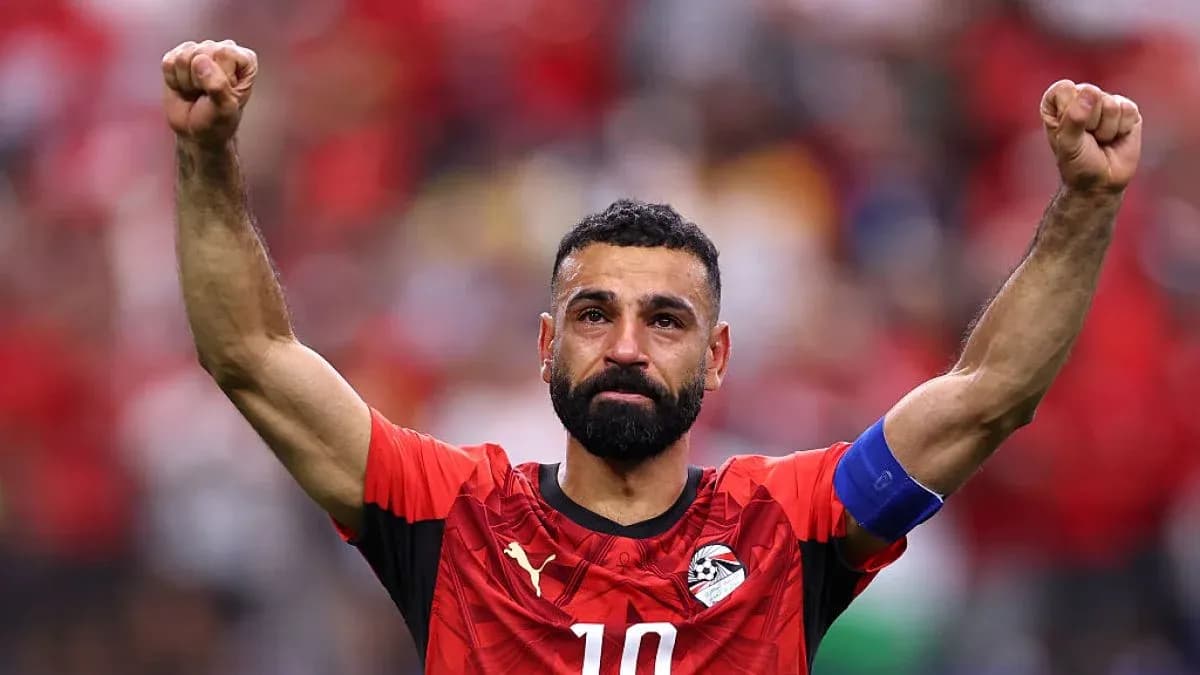
Egypt Makes History with World Cup Knockout Win
Hossam Abdelmaguid walked alone from the halfway line, 70,000 voices swirling around him in the Texas heat. One kick to drag Egypt somewhere they had never been before. One kick to turn decades of World Cup frustration into something else entirely.
He didn’t flinch.
Abdelmaguid buried the decisive penalty to seal a 4-2 shootout win over Australia after a draining 1-1 draw over 120 minutes, sending Egypt into the last 16 of a World Cup for the first time in their history and leaving Mohamed Salah in tears on the turf.
Next, if the script holds, comes Lionel Messi and Argentina in Atlanta. But this night in Texas already belongs to Egypt.
History, the hard way
This was not the Salah show many expected. Far from it.
Egypt’s captain, still feeling the effects of a hamstring strain, toiled on the fringes of the game. He snatched at chances, miscontrolled others, and for long stretches looked like a man playing through pain rather than past defenders. Yet when the shootout came, he stepped up and rolled in his penalty with trademark calm. The roar from the Egypt end told its own story.
By then, Australia had already blinked.
Tony Popovic threw on Mathew Ryan at the death, a specialist goalkeeper for the shootout, a late roll of the dice that said everything about how tight this tie had been. The teams walked towards the Egypt end, whistles pouring down from the stands. Harry Souttar, usually so reliable, took the first kick for the Socceroos and launched it high into the Texas night. A statement miss.
The next five penalties all found the net. Salah, ice-cold. Egypt’s takers, ruthless. Australia clung on until 18-year-old defender Lucas Herrington smacked his effort against the bar, the sound echoing like a verdict. Abdelmaguid then strode up and finished the job, sparking a red wave of celebration.
Australia, brave and stubborn, were out. Egypt, finally, were through.
A nervy start, a ruthless header
The road to that moment had been anything but smooth for Hossam Hassan’s side.
Australia almost struck inside five minutes. Cristian Volpato, the late convert from Italy to the green and gold, rattled the top of the crossbar with a fierce effort that had Mostafa Shobeir beaten. Egypt’s back line looked rattled, their passing hesitant, their touch heavy. For a team chasing history, the stage seemed to be weighing on them.
Then, almost out of nowhere, they scored.
In the 13th minute, Australia switched off at the back post and paid for it. Nestory Irankunda lost Emam Ashour in the box, Karim Hafez whipped in a teasing cross, and Ashour met it with a thumping header for his second goal of the tournament. One chance, one ruthless finish. Egypt, who had never before won a World Cup knockout tie and only tasted their first World Cup victory ever in this tournament against New Zealand, suddenly had a platform.
The goal flipped the pressure. Australia, who had scored just twice in the group stage, had to chase. Egypt, though, never looked entirely comfortable. Their passing remained loose, their defending occasionally desperate.
Australia’s first shot on target did not arrive until ten minutes before the break, Aziz Behich hitting a tame effort straight at Shobeir. The goalkeeper’s presence carried extra weight: his father, Ahmed Shobeir, had been between the posts for Egypt at the 1990 World Cup. Now the son was trying to take the family name a step further.
The first half ended in bruising fashion. Jordan Bos, one of the quickest players at this tournament, was left in a heap after a full-blooded aerial challenge from Rabia. Bos could not continue and Popovic turned to Kai Trewin at the interval, a forced change that stripped Australia of a key outlet on the flank.
Australia bite back
Egypt should have killed the contest seconds after the restart.
Omar Marmoush, the Manchester City attacker, found himself with the goal gaping and only needed a composed finish. Instead, he dragged his shot wide from close range, a glaring miss that would come to haunt his side.
The miss injected belief into Australia. Popovic’s warnings about physicality began to ring true as the Socceroos ramped up the intensity in the duels and set-piece battles. Egypt’s coach had spoken before the game about the dangers of Australia’s direct approach. He was right to worry.
On 55 minutes, the pressure told.
An in-swinging free-kick from the left caused chaos in the Egypt box. Under heavy pressure, Mohamed Hany could only glance the ball past his own goalkeeper and into the net. It was his second own goal of the tournament, a personal nightmare in a campaign that might still end in national glory.
From there, the game tightened. Both teams knew what was at stake: neither had ever won a men’s World Cup knockout match. Every tackle felt heavier, every clearance more desperate. The fear of making the mistake that would live with them for a lifetime hovered over the pitch.
Egypt finish strong, but the clock wins
As the second half wore on, Egypt began to rediscover their composure. They pushed Australia back, inch by inch, and started to pin them inside their own half. Salah, still far from his devastating best, finally found pockets of space and began to knit attacks together.
Deep into added time, Egypt almost snatched it. Salah helped work an opening and Ramy let fly, only for goalkeeper Patrick Beach to fling himself across goal and make a superb save. It was the kind of stop that keeps tournaments alive.
Extra time felt inevitable, and when it arrived, so did fatigue. Legs slowed, minds tired. Salah had a chance early in the extra period, cutting onto his weaker right foot and lashing high over the bar. The game drifted towards penalties, both sides now more afraid of losing than capable of forcing a winner.
Egypt still finished the stronger, but Australia refused to break. They hung on, dragged the tie to the spot, and trusted in their substitute goalkeeper and their nerve.
The shootout exposed the limits of both.
The Pharaohs step into the spotlight
When Herrington’s penalty crashed against the bar, the script was set. Abdelmaguid, just 21, stepped into the pressure that had once crushed generations of Egyptian sides on this stage. He turned it into something else. He turned it into history.
Salah sank to his knees at the final whistle, overwhelmed. This was not his finest performance in an Egypt shirt, but it might yet be the most meaningful tournament of his international career. For years, Egypt have dominated Africa and then shrunk on the global stage. In Texas, in a stadium more used to hosting the Dallas Cowboys than World Cup epics, they finally broke that pattern.
Now comes the real test.
Argentina, with Messi at the helm, are expected to sweep aside Cape Verde and book a date with the Pharaohs in Atlanta on Tuesday. Egypt will walk into that arena as underdogs, as they always have at this level. The difference this time is simple.
They arrive not as hopefuls, but as a World Cup knockout winner at last.




