Cagliari vs Torino: Tactical Insights from Serie A Clash
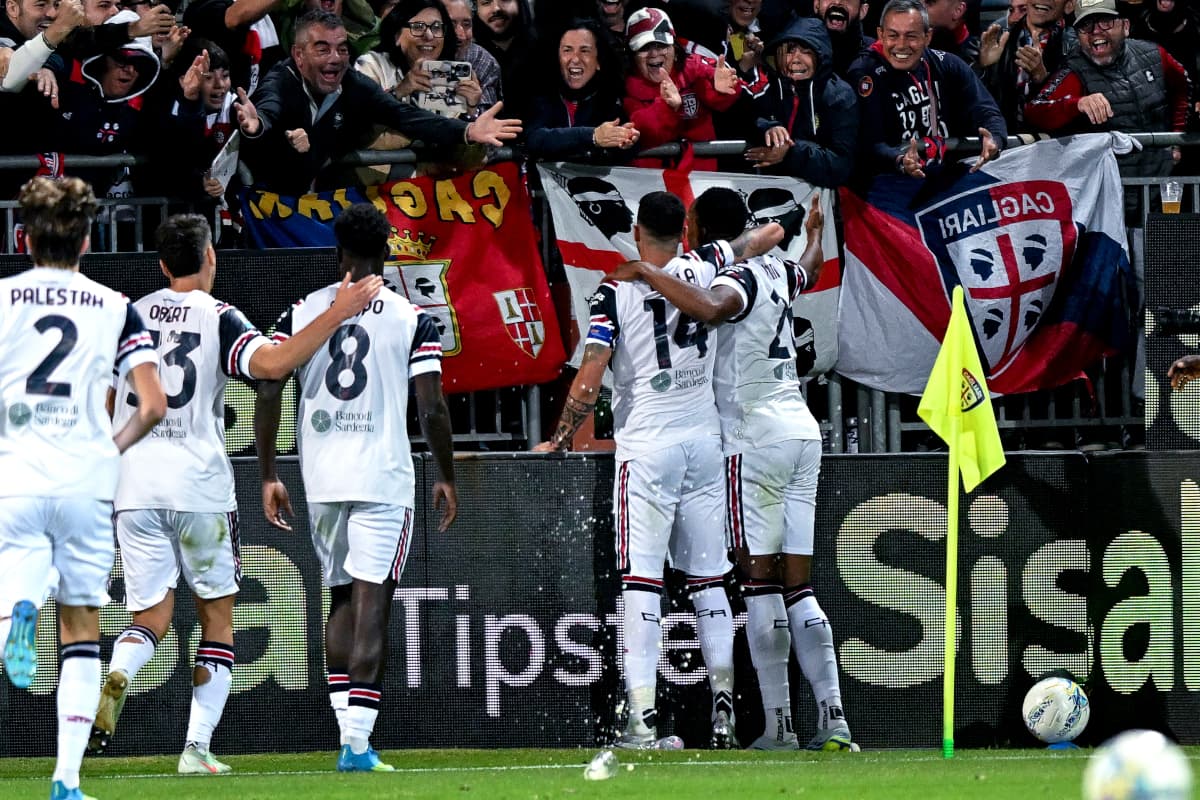
Under the low evening lights of the Unipol Domus, Cagliari and Torino closed out a long Serie A campaign with a match that felt far more like a tactical referendum than a dead‑rubber. Following this result, Cagliari sit 16th on 40 points, Torino 12th on 44, both locked into the lower mid‑table but still revealing plenty about their seasonal DNA in a tight 2–1 home win.
Cagliari’s season has been defined by fragility and fight in equal measure. Overall they have scored 38 and conceded 52, a goal difference of -14 that tells of constant defensive strain. At home, though, they are a different animal: 7 wins from 19, with 22 goals for and 23 against, averaging 1.2 goals both scored and conceded. The Unipol Domus has been their stabiliser, and the 4‑3‑2‑1 chosen by Fabio Pisacane here underlined a late‑season shift away from the back‑three systems that dominated their campaign.
Torino’s profile is strangely similar yet more volatile. Overall they have 42 goals for and 61 against, a goal difference of -19, conceding 1.6 per game and scoring 1.1. On their travels they have 4 wins and 5 draws from 19, with 17 scored and 34 conceded, an away average of 0.9 goals for and 1.8 against. Leonardo Colucci’s decision to stick with a 3‑4‑2‑1 kept faith with a structure that has brought some of their better performances, but the underlying numbers betray a side that collapses too easily when the game opens up.
The absentees shaped the tone. Cagliari were without a whole layer of experience and final‑third craft: M. Felici (knee), R. Idrissi (knee), J. Liteta (thigh), L. Mazzitelli (calf) and L. Pavoletti (knee) all ruled out, while J. Pedro served a suspension for yellow cards. It forced Pisacane into a younger, more energetic core, with P. Mendy spearheading the attack and S. Esposito and G. Gaetano tasked with building from between the lines rather than playing off a classic target man like Pavoletti.
Torino had their own voids to plug. Z. Aboukhlal (muscle injury), F. Anjorin (hip), A. Ismajli (muscle) and the suspended G. Gineitis stripped Colucci of rotation options in both boxes. It meant more weight on the shoulders of G. Simeone, the visitors’ chief goal threat, and on a makeshift defensive line that has already shipped 34 goals away from home this season.
Pisacane’s 4‑3‑2‑1 was built on a narrow but aggressive spine. E. Caprile in goal had a back four of G. Zappa, Y. Mina, A. Dossena and A. Obert in front of him. The double presence of Mina and Dossena allowed Cagliari to be braver with their full‑backs, especially Zappa, whose advanced starting position in the 2:4 grid hinted at an intent to pin back Torino’s wing‑backs. In midfield, A. Deiola sat as the anchoring presence, with M. Adopo and Gaetano as shuttlers, while Esposito and M. Palestra floated behind Mendy.
The tactical story of Cagliari’s season has been one of balancing that aggression with discipline. Overall, they average 1.0 goals for and 1.4 against per game, but the card data shows where the emotional edge lies: 27.85% of their yellow cards arrive between 76–90 minutes, with a further 10.13% in added time. All of their red cards this season have also come in that 76–90 window. It paints a picture of a side that finishes games on the edge, pressing high and tackling late, and this match was no exception as they protected a 2–1 lead through a tense second half.
Torino’s 3‑4‑2‑1 was more about verticality. A. Paleari sat behind a back three of L. Marianucci, S. Coco and E. Ebosse, with M. Pedersen and R. Obrador as wing‑backs and E. Ilkhan and M. Prati forming the central pivot. Ahead of them, N. Vlasic and Simeone supported D. Zapata. On paper, this is a front three capable of stretching any defence, but Torino’s away numbers — 0.9 goals scored per game, 1.8 conceded — show how often they end up chasing matches rather than controlling them.
The “Hunter vs Shield” duel was clear: Simeone, with 11 league goals from 31 appearances, against a Cagliari defence that concedes 1.2 at home. Simeone’s profile is that of a relentless presser and penalty‑box predator: 58 shots, 28 on target, 22 key passes and 50 dribble attempts this season. But Cagliari’s back line, and particularly Obert, has quietly been hardened by constant exposure. Obert has 65 tackles, 18 successful blocks and 40 interceptions this campaign, as well as 230 duels with 123 won. His nine yellow cards and one yellow‑red underline how fine the line is between aggression and recklessness, but in this match his front‑foot defending was central to keeping Torino’s forwards from turning pressure into clear chances.
In the “Engine Room”, the contrast was just as stark. Esposito, Cagliari’s creative metronome, has 954 passes with 67 key passes and 5 assists this season, plus 7 goals and a rating of 6.98. He is fouled often (52 times) and commits plenty himself (44), a sign of his constant involvement on both sides of the ball. His duel with Ilkhan and Prati was about who could dictate rhythm. Torino’s midfielders are more functional than flamboyant, and without Gineitis, they lacked an extra layer of bite and coverage when Esposito drifted into half‑spaces.
Cagliari’s seasonal xG profile is not given explicitly, but their ratio of 38 scored to 52 conceded across 37 matches, combined with 14 matches in which they failed to score, suggests a side that tends to create in bursts rather than sustained waves. Torino’s 42 for and 61 against, plus 11 blanks, point to a similarly streaky output, but with a defence more likely to collapse under pressure.
Following this result, the statistical prognosis for both clubs is clear. Cagliari’s home structure — 1.2 goals for, 1.2 against, 6 clean sheets and 7 home matches without scoring — tells of a team that lives on fine margins and relies heavily on the creativity of Esposito and the defensive defiance of Obert and Mina. Torino, with 7 away clean sheets but 34 conceded on their travels, remain a paradox: capable of shutting games down in a low block, yet too often undone when forced to chase.
On the night, Cagliari’s compact 4‑3‑2‑1, emotional late‑game edge and sharper execution in the first half tilted those margins in their favour. Torino’s 3‑4‑2‑1 carried threat through Simeone and Vlasic, but the structural fragility that has haunted their away campaign resurfaced. The 2–1 scoreline fits the broader pattern of two flawed but compelling sides: Cagliari edging games at home through intensity and set structure, Torino still searching for a defensive platform sturdy enough to let their attacking pieces truly hunt.