Arsenal vs Burnley: Tactical Analysis of a 1-0 Victory
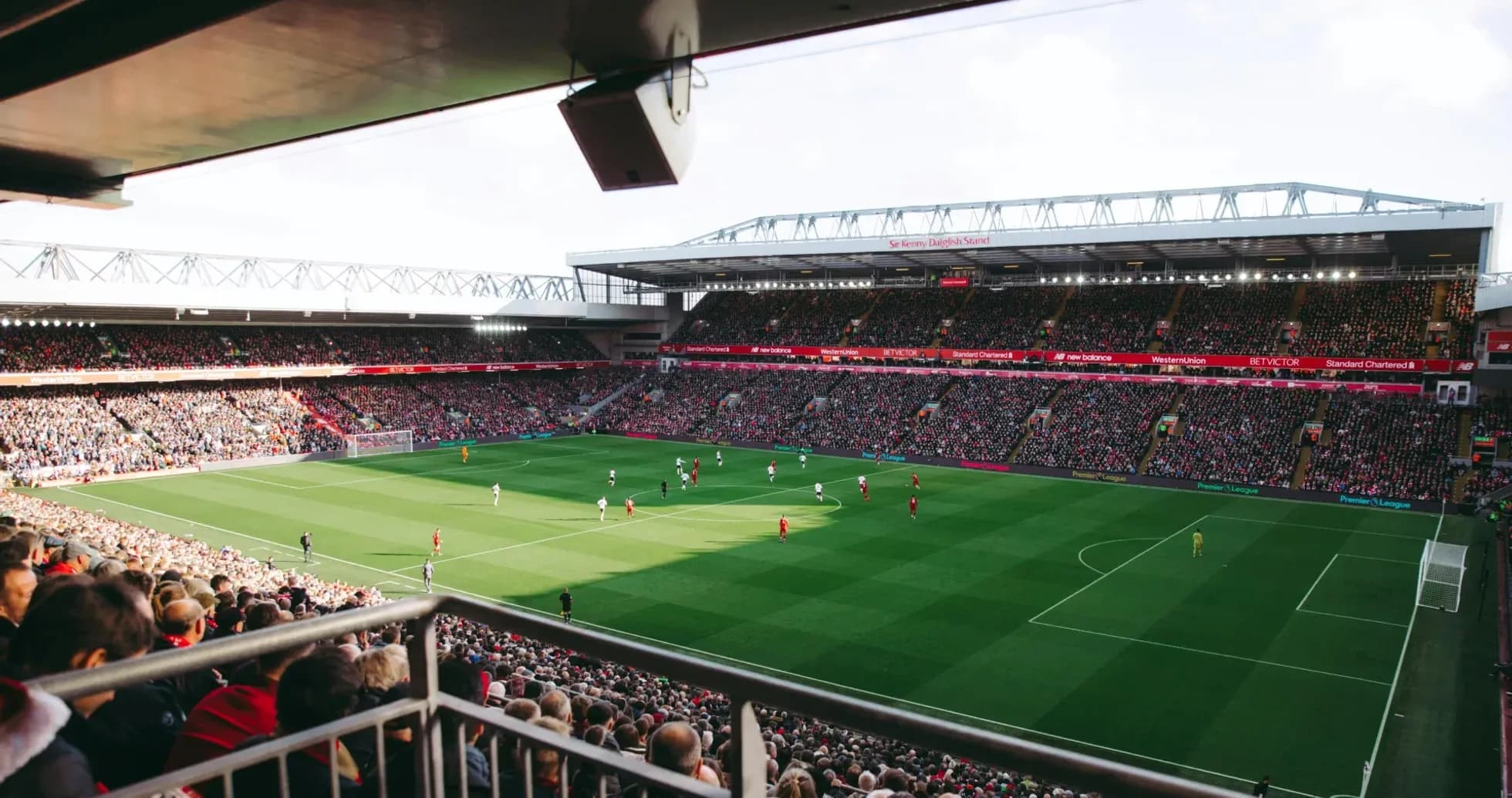
Under the lights at Emirates Stadium, this was a meeting of opposites that played out exactly along the season’s fault lines. Arsenal, leaders of the Premier League table heading into this game with 82 points and a goal difference of 43, hosted a Burnley side marooned in 19th on 21 points, carrying a bruising goal difference of -37. The 1-0 scoreline in the home side’s favour felt almost modest given the gulf in seasonal profiles, but it told a story of control, risk management and a relegation-threatened visitor trying to survive rather than conquer.
The Big Picture – Arsenal’s machine vs Burnley’s resistance
At Emirates Stadium, Mikel Arteta leaned into Arsenal’s dominant identity. The 4-3-3, used 24 times in total this campaign, returned again: David Raya behind a back four of Riccardo Calafiori, Gabriel, William Saliba and C. Mosquera; Declan Rice anchoring a midfield with Martin Ødegaard and Eberechi Eze; Bukayo Saka and Leandro Trossard flanking Kai Havertz.
Heading into this game, Arsenal at home had been relentless: 19 home matches, 15 wins, 2 draws, just 2 defeats. They scored 41 goals at home, an average of 2.2 per match, and conceded only 11, an average of 0.6. Eleven clean sheets at Emirates underpinned that record. This was not just a title-chasing side; it was a home fortress.
Burnley arrived in a 4-2-3-1 under Mike Jackson, a shape they had used 12 times in total this season, with M. Weiss in goal, a back four of Lucas Pires, Maxime Esteve, Axel Tuanzebe and Kyle Walker, Florentino and Lesley Ugochukwu screening, with L. Tchaouna, Hannibal Mejbri and Jaidon Anthony supporting Zian Flemming. On their travels, Burnley’s numbers were brutal: 19 away games, only 2 wins and 3 draws, with 14 defeats. They scored 20 away goals (1.1 per match) but shipped 46 (2.4 per match), and had not kept a single away clean sheet.
The final 1-0 felt almost pre-written by those metrics: Arsenal’s home defensive parsimony versus Burnley’s away fragility, with the leaders content to manage the game state once ahead.
Tactical Voids – Who wasn’t there shaped who had to be
Both managers were forced into structural compromises by absences. Arsenal’s missing list was heavy in defensive versatility: M. Merino (foot injury), Jurrien Timber (ankle injury) and Ben White (knee injury) were all unavailable. Without White’s capacity to invert from right-back and Timber’s comfort stepping into midfield, Arteta leaned more on a conventional back four and allowed Rice to be the primary organiser in front of the defence.
Merino’s absence removed a potential left-sided controller, increasing the creative burden on Ødegaard and Eze between the lines. It meant Arsenal’s midfield triangle had to balance progression and protection more carefully; Rice’s positioning was a constant insurance policy against counters, especially with both full-backs encouraged to advance.
Burnley’s injuries were just as defining. Centre-back J. Beyer (hamstring injury) and midfielder J. Cullen (knee injury) were both missing, stripping Jackson of a first-choice defender and a key organiser in midfield. Without Beyer, Esteve and Tuanzebe had to marshal the central corridor against Havertz’s movement and the underlaps of Ødegaard and Eze. Without Cullen, Florentino and Ugochukwu were tasked with both screening and building, a dual responsibility that often left Burnley struggling to connect defence to attack.
Disciplinary profiles also cast a shadow over the tactical plan. Arsenal’s yellow-card distribution this season shows a late-game spike: 26.00% of their yellows arrive between 76-90 minutes, part of a broader pattern of intense pressing and game-management fouls as they close out leads. Burnley’s card map is even more volatile. For yellows, 20.31% come between 16-30 minutes, with significant late surges of 18.75% in both the 76-90 and 91-105 ranges. Their reds are scattered at 31-45, 76-90 and 91-105, each accounting for 33.33% of their total. Add Kyle Walker’s 9 yellow cards this league season and J. Laurent’s single red and 7 yellows, and you have a side whose defensive desperation often tips into risk.
Key Matchups – Hunter vs Shield, Engine Room vs Enforcer
The headline duel in narrative terms belonged to the “Hunter vs Shield” dynamic. For Arsenal, Viktor Gyökeres, even starting on the bench here, embodies their cutting edge. In total this campaign he has 14 league goals and 3 penalties scored from 3 taken, with 40 shots and 22 on target. His presence among the substitutes alone shapes how a back line prepares; the knowledge that such a direct, physically dominant striker can be introduced late forces defenders to ration their energy.
On the pitch, the scoring burden fell more to the collective – Saka, Havertz, Trossard – but Gyökeres’ season numbers underline why Arsenal can afford to rotate their front line without losing threat.
Against that, Burnley’s “shield” was a collective, but Walker’s profile stands out. Across 35 appearances and 3007 minutes, he has made 55 tackles, 10 successful blocked shots and 44 interceptions. His 9 yellows speak to how often he has to operate on the edge, especially in wide 1v1s. Up against Trossard’s 6 assists and 6 goals, plus Saka’s 7 goals and 5 assists, Walker’s defensive decision-making was always going to be under siege.
In the “Engine Room”, the duel was subtler but just as decisive. Ødegaard, with 6 assists and 40 key passes from 828 total passes at an 84% accuracy, is Arsenal’s metronome between the lines. His ability to receive in tight pockets and slide passes into the half-spaces is what knits the 4-3-3 into a territorial stranglehold.
Burnley’s answer, in structural terms, was Florentino and Ugochukwu, but the broader disciplinary and physical profile of J. Laurent loomed large from the bench. Laurent’s 48 tackles, 8 blocked shots and 27 interceptions this season show an enforcer capable of breaking rhythm, but his 31 fouls committed and 1 red card underline the danger of overstepping. Against an Arsenal side that wins territorial control and tempts tackles around the box, that fine line between aggression and recklessness becomes a tactical axis in itself.
Statistical Prognosis – Why 1-0 felt inevitable
Following this result, the numbers still frame Arsenal as a side built on balance. Overall this campaign, they have scored 69 goals and conceded 26 across 37 matches; the goal difference of 43 is exactly the expression of that blend of firepower and control. At home, the averages of 2.2 goals scored and 0.6 conceded per match explain why a single goal can be enough: once in front, their structure and pressing, combined with 11 home clean sheets, make chasing them a near-impossible task for sides of Burnley’s profile.
Burnley’s overall defensive record – 74 goals conceded in 37 matches, an average of 2.0 per game – and particularly their away figure of 46 conceded in 19 (2.4 per match) suggest that Arsenal’s Expected Goals edge would have been significant, even if the scoreline stayed narrow. Their total of only 4 clean sheets, and none away, hints at an xG-against profile that is consistently high.
Offensively, Burnley’s 37 total goals (1.0 per match) are not negligible, and Flemming’s 10-goal haul, with 2 penalties scored from 2, gives them a genuine threat between the lines. But up against an Arsenal defence that has allowed just 26 goals in total and produced 19 clean sheets, the probability curve always leaned towards a home win with limited concession risk.
In tactical terms, the 1-0 at Emirates was less a surprise than a confirmation. Arsenal’s structure, depth – with Gyökeres, Gabriel Jesus, Noni Madueke and Gabriel Martinelli all in reserve – and defensive record meant they could afford to play the percentages. Burnley, stretched by absences and burdened by their own disciplinary and defensive trends, were always more likely to cling on than to overturn the narrative.