
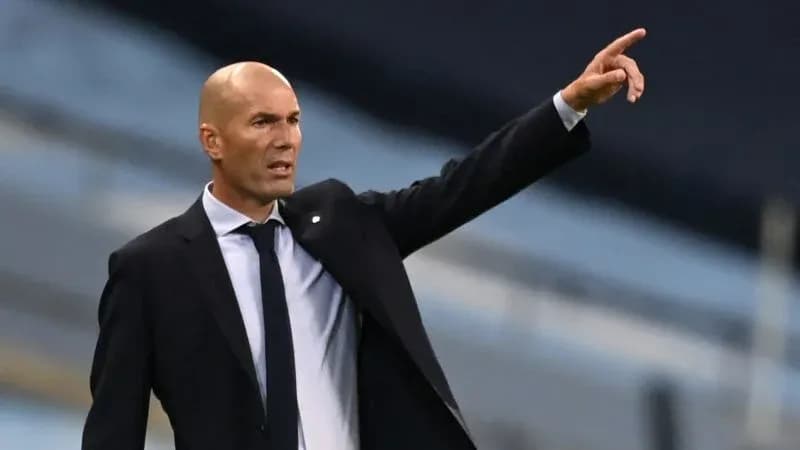
Zinedine Zidane Returns as Head Coach of France
Zinedine Zidane is back where many always believed he was destined to end up.
On Tuesday, the French Football Federation confirmed the 54-year-old as the new head coach of France on a four-year deal, handing the keys of one of world football’s most talented squads to one of its most iconic figures.
Didier Deschamps’ long reign ended after the 2026 World Cup, a campaign that promised a coronation and finished in frustration. France arrived in North America as one of the clear favourites, only to be knocked out in the semifinals by eventual champions Spain and then beaten by England in the third-place play-off. A golden generation left with nothing to show for a tournament many had circled as theirs.
Into that void steps Zidane.
Zidane’s second act with Les Bleus
This is not just a coaching appointment. It is a reunion with a national symbol.
“I have often said there is nothing greater than the French national team. It is therefore a joy and obviously a great honor to become the coach of France. It is also a responsibility,” Zidane said at his unveiling, thanking FFF president Philippe Diallo, the Executive Committee and saluting Deschamps’ 14 years in charge. He spoke of “a lot of ambition for the French Team” and of the teachers who shaped him. The words were measured. The intent behind them was not.
For years, Zidane’s return to the France bench felt inevitable, just a matter of timing. When he walked away from his second spell in charge of Real Madrid in 2021, the sense was clear: he was waiting. Waiting for Deschamps to finish, waiting for the right moment to step into a job he has openly coveted.
Now the wait is over. The expectations are not.
A legend returns – and a ghost from Berlin
France will welcome him as a hero. How could they not?
As a player, Zidane defined an era. He dragged France to its first World Cup in 1998, scoring two thumping headers in the 3-0 demolition of Brazil at the Stade de France, etching that first star above the badge. Two years later, he was again at the heart of it all as France became European champions, the first team to win the Euros immediately after lifting the World Cup. Those two years changed the country’s footballing identity.
Yet his story in blue did not end in triumph. It ended with that image in Berlin in 2006: the No. 10 walking past the World Cup trophy, head bowed, after being sent off for headbutting Marco Materazzi in the final against Italy. France lost on penalties. Zidane disappeared down the tunnel. A glorious international career closed on a moment of madness.
Eighteen years on, the same man walks back into the national team as its leader. The hope among France fans is simple: that the coach can repair what the player could not, that the man who once left under a cloud can now guide them to the summit again.
From Madrid maestro to international novice
This is Zidane’s first step into international management, but he does not arrive as a novice in the art of handling pressure.
At Real Madrid, he built one of the most dominant Champions League dynasties the competition has ever seen. Three consecutive Champions League titles. Two La Liga crowns. Two Club World Cups. He navigated a dressing room full of egos, Ballon d’Or winners and rising stars and convinced them to run, sacrifice and win together.
Those nights with Los Blancos are his reference point now. Knockout football, the rhythm of two-legged ties, the need to manage emotions and moments – all of it will feed into how he builds this France side. The badge changes. The stakes feel similar.
What he does not have is experience of the international calendar: short windows, limited training time, tournament football every two years. Deschamps mastered that landscape over more than a decade. Zidane must do it quickly.
A glittering attack, a delicate balance
He does not inherit a blank slate. He inherits a loaded forward line and a tactical puzzle.
Kylian Mbappé remains the centrepiece, the superstar around whom everything orbits. Around him swirl Ousmane Dembélé, Michael Olise, Désiré Doué, Bradley Barcola and a conveyor belt of attacking talent that shows no sign of slowing. France have not lacked firepower since winning the World Cup in 2018. They have lacked balance.
That will be Zidane’s central task: to find harmony in a team that has often tilted too far one way. To blend an offensive arsenal with the defensive rigidity that underpinned the 2018 triumph but has looked fragile since. To convince a squad used to being favourites that the details still matter.
His track record suggests he can handle big names and big personalities. Now he must turn a collection of stars into a ruthless tournament machine again.
Chasing history
The target is not hidden. The expectation is not whispered. France want the World Cup back, and they want it as soon as 2030.
Zidane knows the stakes. As a player, he lifted the trophy. As a coach, he now has the chance to join the select group who have won the World Cup both on the pitch and on the touchline, following the path Deschamps carved before him.
For France, this is a bet on aura as much as on tactics. On the idea that the man who once carried a nation on his shoulders can now do it from the dugout.
The next four years will reveal whether that belief is romantic nostalgia or the start of another defining chapter in French football history.




