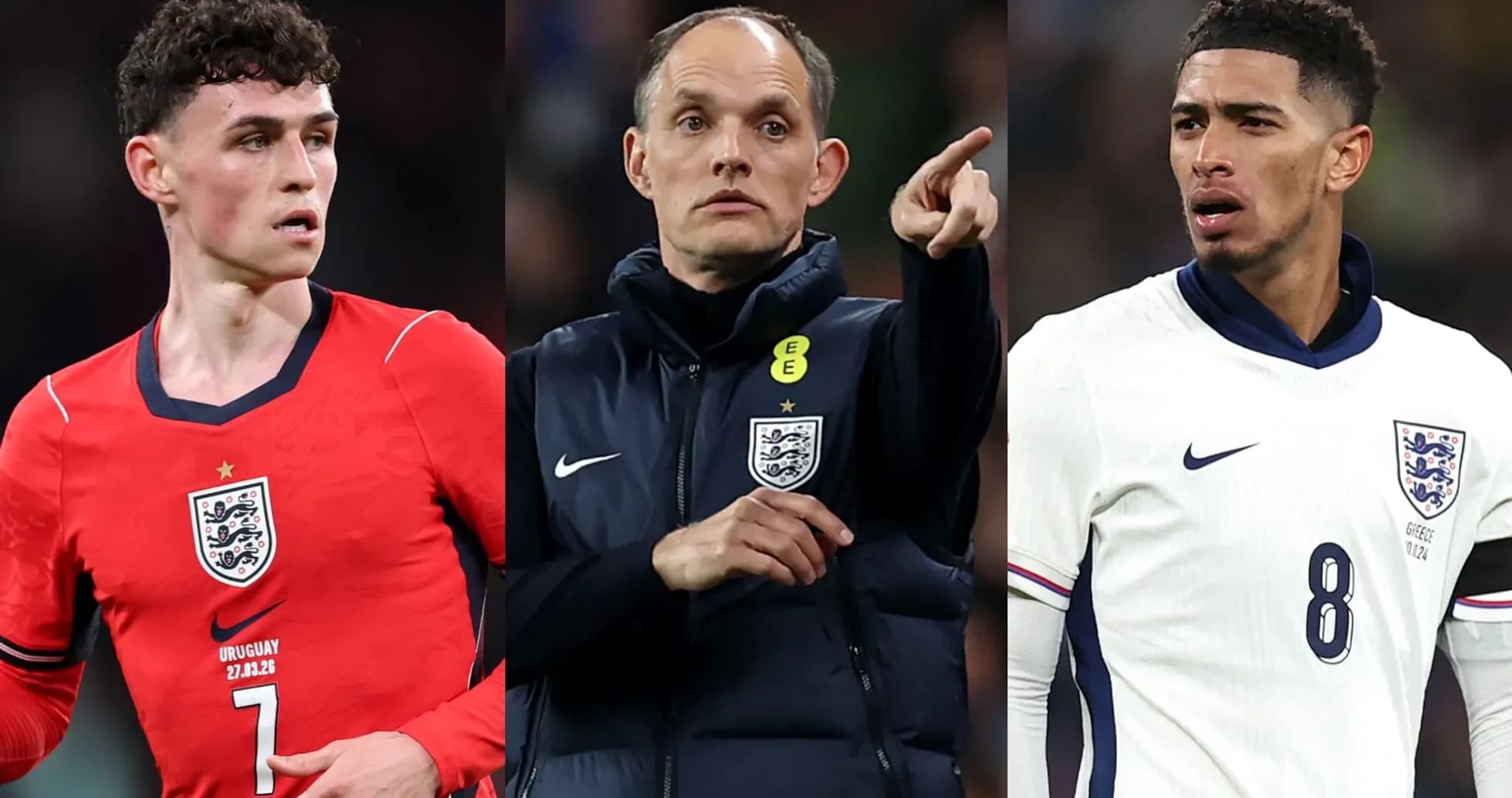
Tuchel’s England: Key Squad Decisions for World Cup 2024
Thomas Tuchel has made his cuts. From a sprawling preliminary list of 55, England’s World Cup squad is finally set, stripped back to a star-heavy core expected to carry the weight of a restless nation across the Atlantic this summer.
No position felt safe. No reputation untouchable. That was the message as Tuchel and his staff carved their way through a group overflowing with talent but short on guarantees.
Bellingham at the Heart of It
The fiercest debate surrounded the creative hub. England are not short of playmakers; they are drowning in them. Yet one name sits above the rest.
Jude Bellingham, the Real Madrid Galactico, is locked in as the No.10. The team will tilt around him. He is the reference point, the one player in that area whose place never truly felt in doubt.
Behind him, Tuchel has gone for variety rather than sheer volume. Eberechi Eze arrives on the back of a Premier League title with Arsenal, bringing swagger and close control as the alternative creator. Morgan Rogers of Aston Villa offers another twist: direct, dynamic, and unafraid to drive at defenders. It’s a trio that gives England guile, but also different gears depending on the game state.
Kane Leads, Support Cast Reshaped
Up front, the armband and the burden remain with Harry Kane. Record-breaking, battle-hardened, and still the man expected to turn half-chances into headlines, he will lead the line in North America.
Around him, though, the picture has shifted.
Ivan Toney, operating in the Saudi Pro League and often overlooked during Tuchel’s early months, has timed his resurgence perfectly to force his way back in. Ollie Watkins, fresh from those unforgettable Euro 2024 semi-final heroics against the Netherlands, keeps his place and will again be the chaos option defenders dread late in games.
On the flanks, Tuchel has sprung at least one surprise. Noni Madueke makes the cut despite not being a guaranteed starter at Arsenal. He brings unpredictability and one-on-one threat, the sort of winger who can look quiet for 70 minutes and then tear a game open with one run.
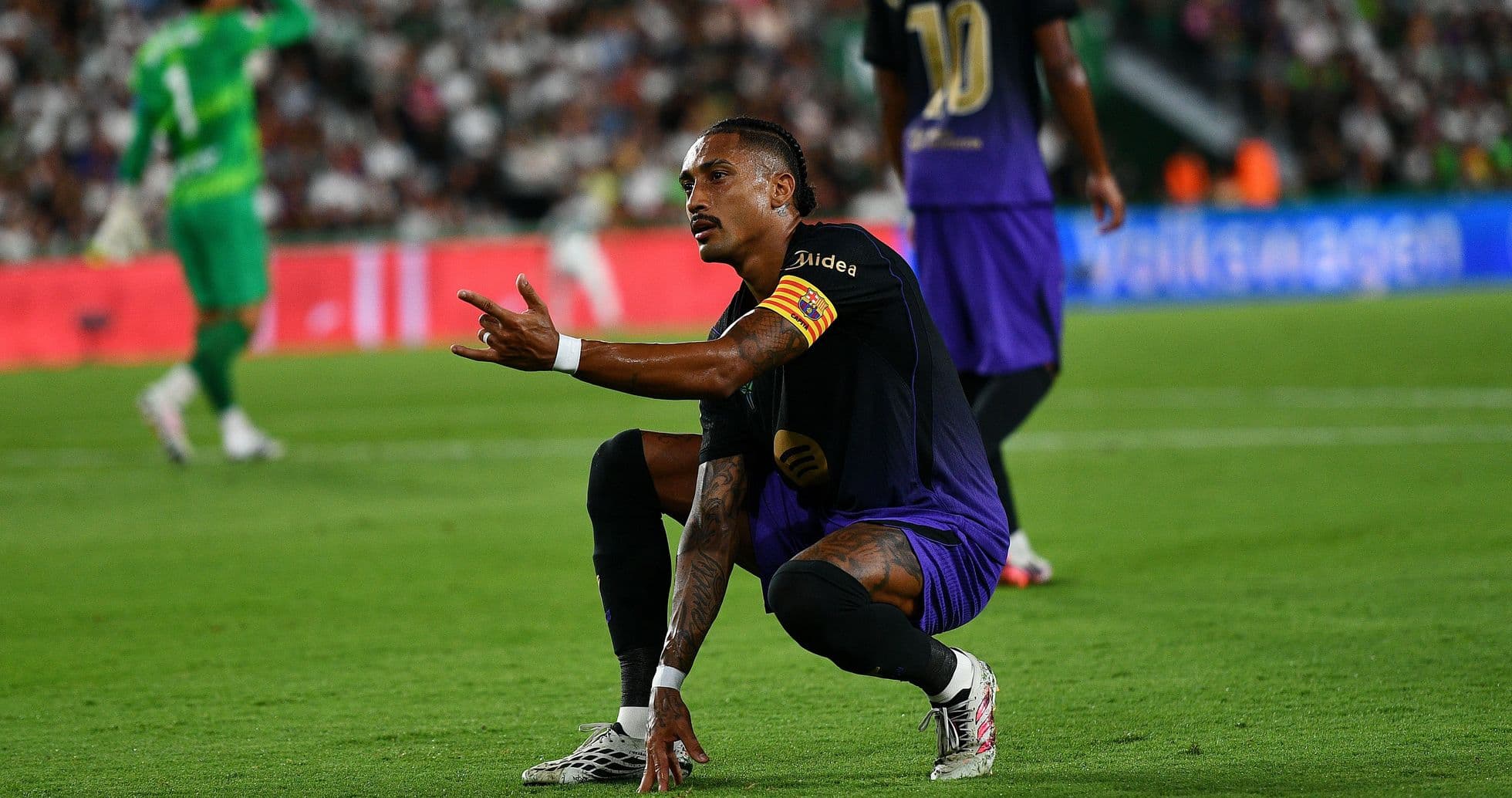
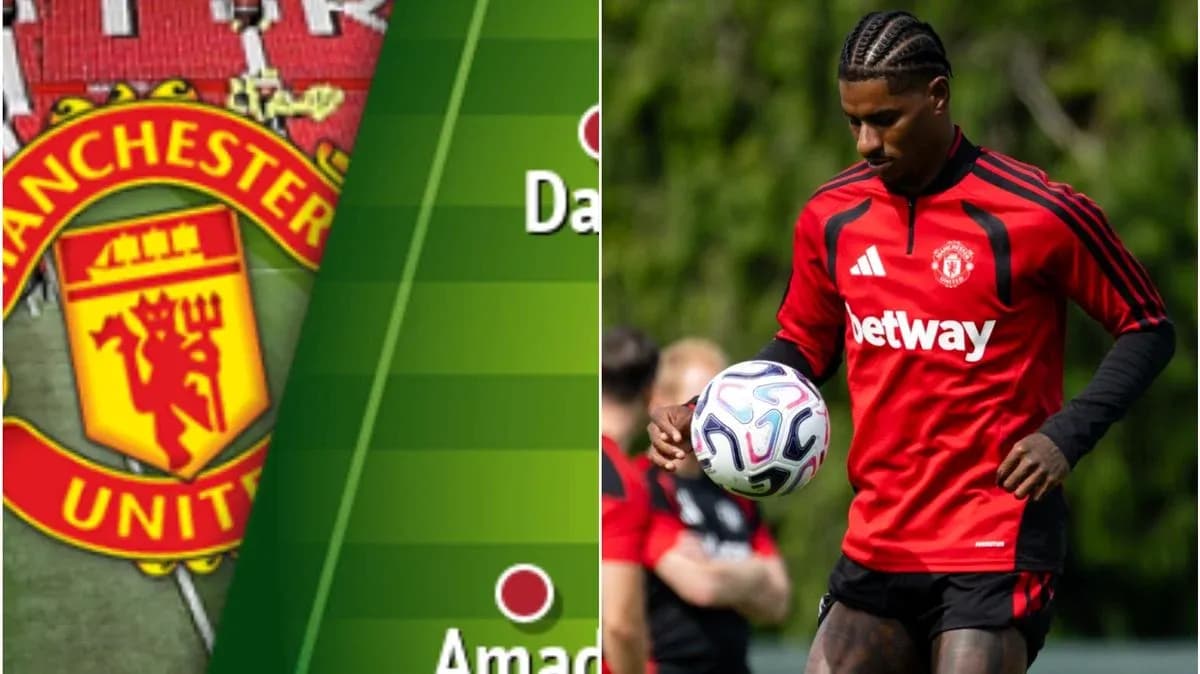
Marcus Rashford, on loan at Barcelona, and Newcastle’s Anthony Gordon add power, pace, and flexibility. Both can start wide, both can drift inside, and both can operate through the middle if Tuchel tears up the script mid-match. It’s a forward unit built less on symmetry and more on options.
Midfield Calls: Experience and Redemption
In midfield, the story is one of balance between scars and promise.
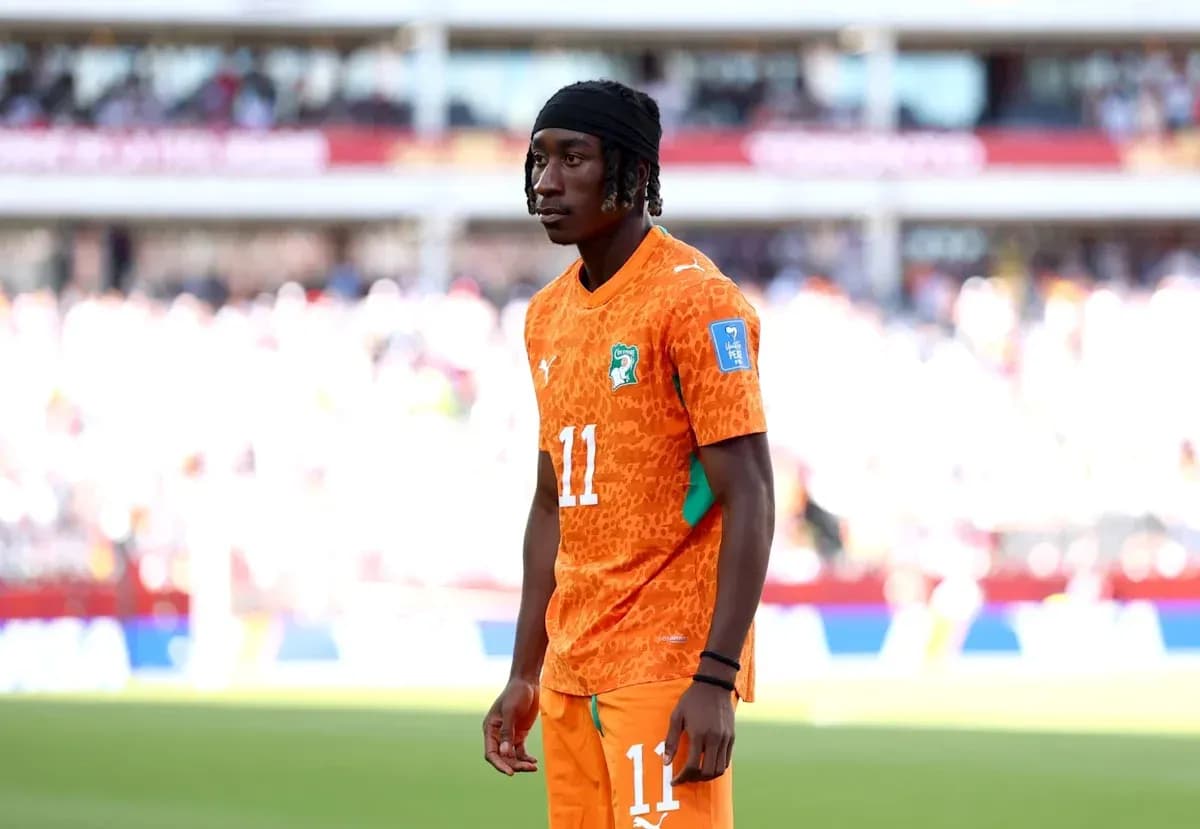
Jordan Henderson is still there. Experience, leadership, and a voice in the dressing room that managers trust when the noise outside grows deafening. Alongside him stands one of the more compelling personal arcs in the squad: Kobbie Mainoo.
Written off by many during a turbulent spell at Manchester United, Mainoo has rebuilt himself under Michael Carrick. That late surge in form has pushed him from the fringes of club football to the core of England’s World Cup plans. It is a remarkable climb, and Tuchel has rewarded it.
Not everyone survived the squeeze. Adam Wharton of Crystal Palace and Everton’s James Garner both slip off the bottom of a stacked deep-lying midfield depth chart, victims of a numbers game as much as anything else.
Defence: Big Names, Brutal Omissions
At the back, the headlines are as much about who is missing as who made it.
There are no surprises in goal, but the defence carries several sharp edges. John Stones, approaching free agency after an injury-hit season at Manchester City, still earns Tuchel’s trust. His calm on the ball and big-tournament experience have bought him another shot on the biggest stage.
On the right, Chelsea captain Reece James has become the default choice. When fit, he offers both defensive solidity and top-tier delivery in the final third. On the left, Nico O’Reilly and Djed Spence will scrap for the starting berth, a battle that could define England’s balance in the group stage.
Then come the casualties.
Harry Maguire, a mainstay of recent tournaments and a lightning rod for debate, has not made the cut and has already voiced his disappointment. Real Madrid’s Trent Alexander-Arnold, capable of transforming a game from full-back or midfield, misses out as well, unable to nail down a role in Tuchel’s system. Newcastle’s Lewis Hall is also overlooked, while an untimely injury leaves Arsenal’s versatile Ben White on the outside looking in.
Foden, Palmer and Gibbs-White Left Behind
Higher up the pitch, some of the most gifted attackers in the country will be watching from home.
Phil Foden’s struggles for form at Manchester City have proved too costly. A player of his talent missing a World Cup squad would have felt unthinkable not long ago, but Tuchel has drawn a harsh line.
Cole Palmer, Chelsea’s talisman and England Men’s Player of the Year in 2024, suffers a similar fate. A run of 14 goalless games for club and country drained the spark that once made him undroppable. At this level, timing is everything, and his deserted him.
Morgan Gibbs-White, coming off a career-best 17-goal season with Nottingham Forest, also fails to convince the England manager. For the second time, his numbers haven’t translated into trust.
Out wide, Jarrod Bowen’s tireless efforts for a struggling West Ham side are not enough to earn another tournament ticket. Nor is there room for veteran forwards Danny Welbeck and Dominic Calvert-Lewin, who shared 27 Premier League goals between them for Brighton and Leeds in 2025-26. Newcastle winger Harvey Barnes, overlooked again, may well be wondering if turning down Scotland was a career-defining misstep.
The Road Through America
Now comes the test.
England will tune up with two friendlies on American soil, designed as much for acclimatisation as for tactical tinkering. New Zealand await on June 6, Costa Rica on June 10. Expect Tuchel to rotate heavily, spread minutes, and push match fitness to the edge before the real thing begins.
Then the stakes spike.
On June 17, at AT&T Stadium in Arlington, Texas, England open their World Cup campaign against Croatia, a familiar and awkward opponent on the biggest stages. Six days later they move north-east to Gillette Stadium, home of the New England Patriots, to face Ghana on June 23 in what could be a bruising, high-tempo encounter.
The group phase closes at MetLife Stadium on June 27 against Panama. It is no ordinary venue: it will host the final. If England navigate Group L as expected, they will hope this first look at MetLife is only a dress rehearsal.
Tuchel has made his choices. The arguments over who should be there will rage on, as they always do. The only question that matters now is whether this bold, ruthless version of England can finally turn potential into something the country has been chasing for generations.