Robert Elstone Joins Truro City to Aid Relegation Recovery
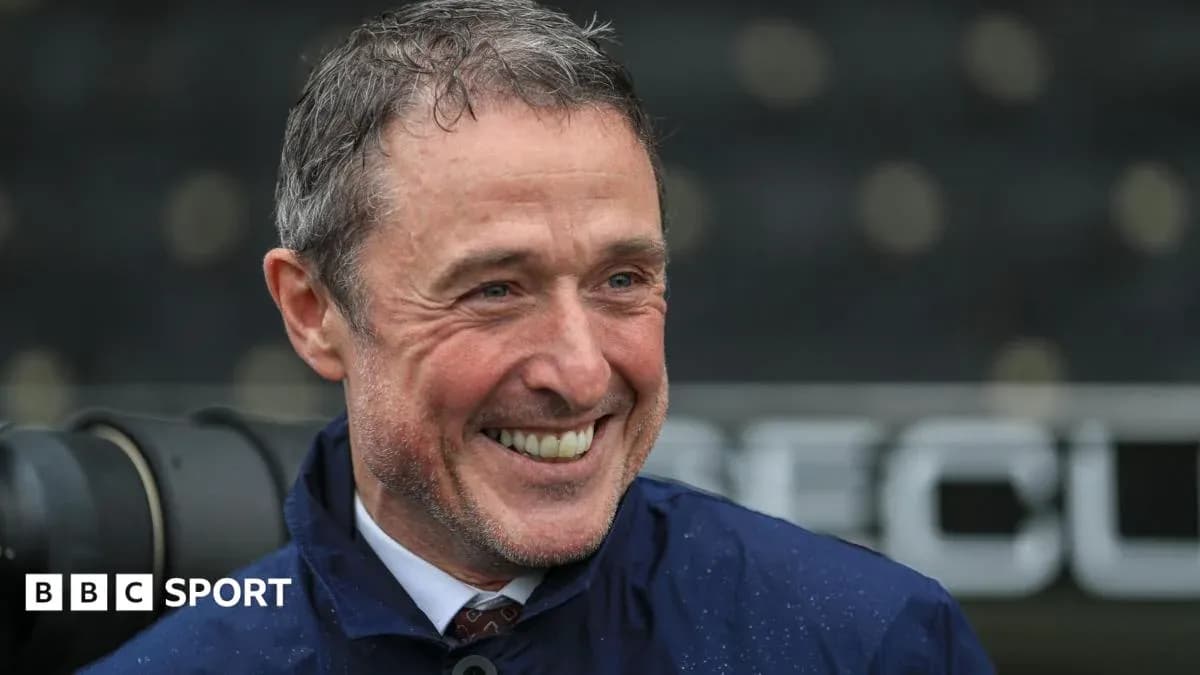
Robert Elstone, the former Everton chief executive and one of English sport’s most seasoned administrators, has dropped into the sixth tier to help Truro City plot a way back from relegation.
The 60-year-old has taken up an advisory role with the National League South club, offering strategic support to a side trying to steady themselves after falling out of the National League last season. For a team operating on the game’s outer edges, it is a heavyweight appointment.
Elstone’s CV carries serious weight. He arrived at Everton in 2005 as chief operating officer, then stepped up to become chief executive four years later, overseeing the club through a turbulent Premier League era of financial pressure and shifting ownership landscapes. In 2018 he crossed codes, taking on the role of executive chairman at Super League, the governing body of elite rugby league in England, where he stayed until 2021 before moving into an advisory position with PwC.
He knows the terrain of the lower leagues as well. Elstone previously advised Stockport County during their stint in the National League, a period that preceded their return to the English Football League. That experience — guiding an ambitious, traditionally sized club through the bottleneck of non-league football — will not be lost on Truro.
This time, the challenge is different. It is Cornish, remote, and laced with logistical and financial hurdles that few clubs elsewhere in the pyramid fully understand.
“Having met the club's senior management, I could not help but be impressed with the clarity of vision and determination for both the club and football charity to succeed,” Elstone told the club’s website. The words hint at more than a short-term rescue mission. They point to a broader project: stabilising the club, strengthening its community arm, and building something that can last.
“I have been fortunate to have worked at the highest level in English football but find the uniqueness of this Cornish club compelling, and I see huge potential for success,” he said. That “uniqueness” covers everything from Truro’s geography to their fanbase and the strain of competing week after week with long away trips and limited resources.
Elstone will not be on the touchline or picking the team. His impact will come behind the scenes, working across the club’s structure. “Working at all levels of the club, I hope to help them in achieving their ambitions,” he added.
For Truro, recently bruised by relegation, this is a statement of intent. They have turned to a figure who has seen the Premier League boardroom, steered a major rugby league competition, and helped a fallen Football League club find its way back.
Now the question is simple: can that top-level know-how unlock the potential he sees in Cornwall?