Spain and Cape Verde Islands Start World Cup 2026 with Stalemate
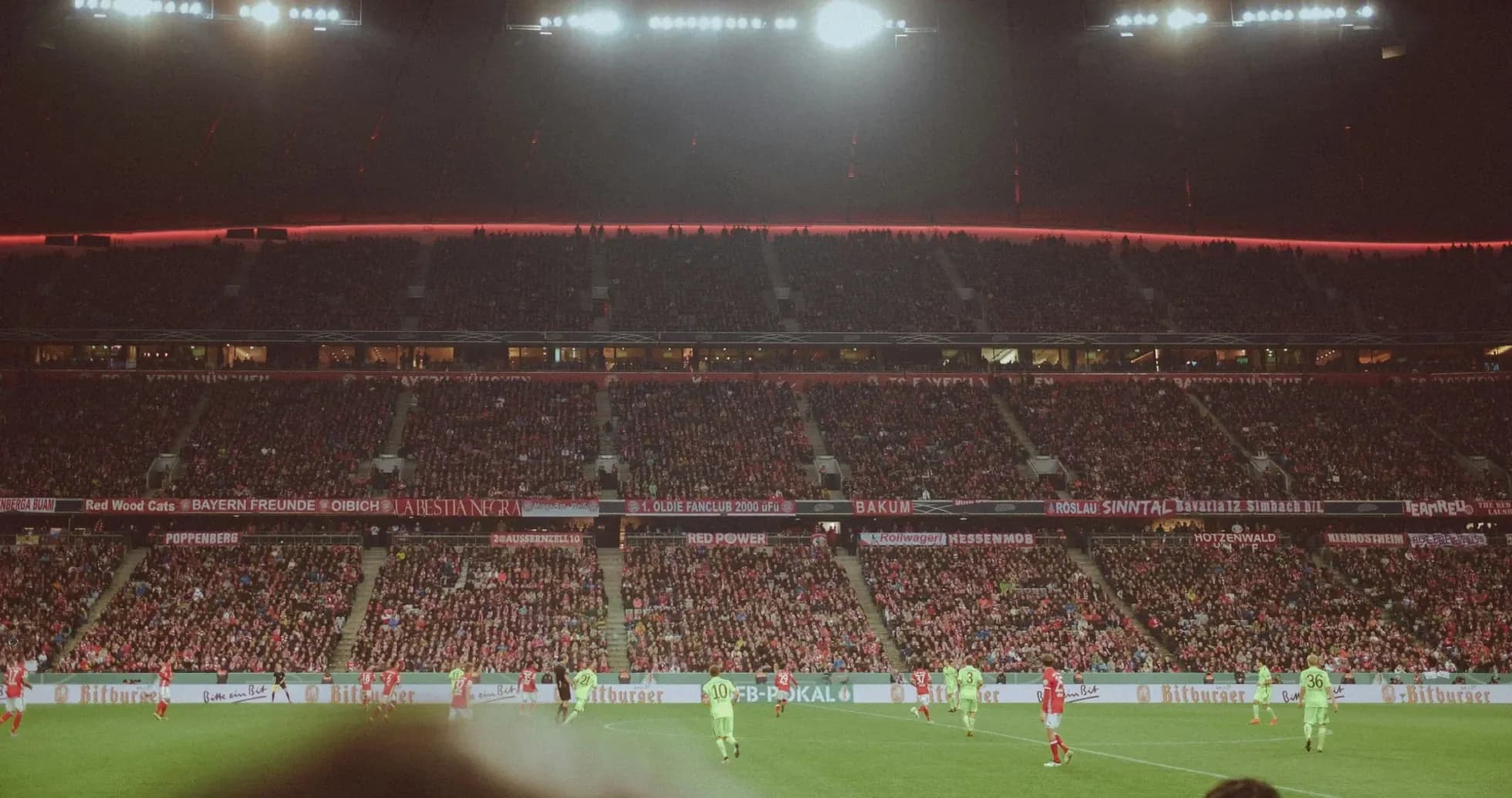
In the closed bowl of Mercedes-Benz Stadium, Spain and Cape Verde Islands opened their World Cup 2026 journey with a stalemate that said as much about structure and nerves as it did about quality. The 0-0 in Atlanta, overseen by referee Adham Mohammad, leaves Group H delicately poised: Spain sitting 3rd and Cape Verde Islands 4th, both on 1 point, both with a goal difference of 0, both still waiting to score their first goal of the tournament.
I. The Big Picture – Two Blueprints, One Deadlock
Following this result, Spain’s campaign profile is surprisingly austere. Overall they have played 1 match, drawn 1, with 0 wins and 0 defeats. At home they have also played 1, drawn 1, and crucially, they have yet to score: 0 goals for and 0 against at home, with an overall goals-for average of 0.0 and goals-against average of 0.0. It is a clean-sheet foundation, but also a reminder of an attack that has failed to ignite.
Cape Verde Islands mirror that minimalism from the opposite angle. On their travels they have played 1 match, drawn 1, with 0 wins and 0 losses, and like Spain they have 0 goals for and 0 against away, with an overall goals-for average of 0.0 and goals-against average of 0.0. Their World Cup identity so far is that of a compact, hard-to-break unit, comfortable suffering without the ball.
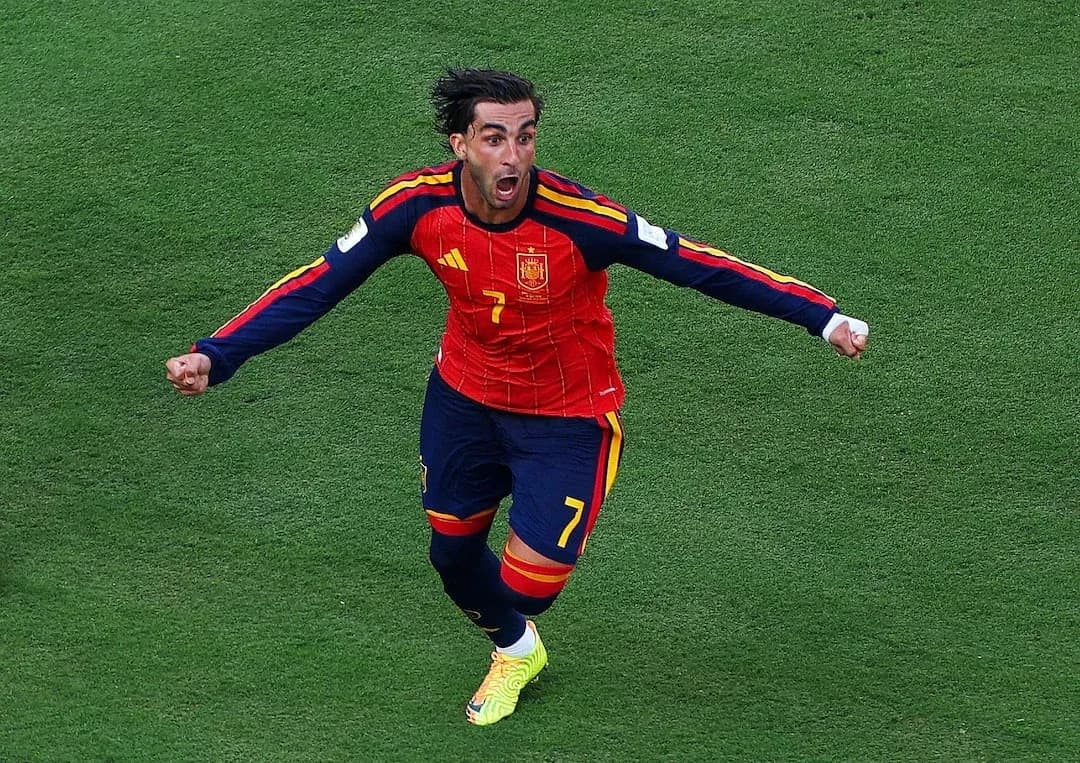
Tactically, the shapes told a clear story. Spain lined up in Luis de la Fuente’s favoured 4-3-3: Unai Simón behind a back four of M. Llorente, P. Cubarsi, A. Laporte and M. Cucurella; a midfield triangle of F. Ruiz, Rodri and Pedri; and a fluid front three of F. Torres, M. Oyarzabal and Gavi. Across from them, Pedro Leitao Brito’s Cape Verde Islands chose a 4-1-4-1, with Vozinha in goal, a back four of S. Moreira, R. Lopes, D. Borges and S. Lopes Cabral, K. Lenini as the single pivot, and a hard-running line of four – R. Mendes, L. Duarte, J. Monteiro, J. Cabral – supporting lone forward D. Livramento.
II. Tactical Voids – Where the Game Refused to Open
In a match with no goals and no penalties awarded, the voids were as instructive as the actions. Spain’s season data shows a team that has already failed to score in their only home fixture and overall, yet has kept a clean sheet both at home and overall. That combination was visible here: controlled possession, territorial dominance, but a final third that lacked incision.
Cape Verde Islands, meanwhile, have also failed to score in their only away match and overall, but they carry the badge of a clean sheet away and overall as well. Their 4-1-4-1 compressed the central lane where Spain’s creators operate, daring the European side to break them down from wide areas.
Disciplinary trends hinted at the emotional contours of the contest. For Spain, their World Cup yellow card profile is unusual: 100.00% of their yellows so far have come in the 91-105 minute window, suggesting frustration or late-game tactical fouling as matches tighten. Cape Verde Islands show the opposite rhythm: 100.00% of their yellow cards have arrived in the 16-30 minute range, pointing to early aggression and perhaps over-eagerness in the initial press.
Individually, S. Lopes Cabral emerges as a symbol of Cape Verde Islands’ edge. Listed among the top yellow-carded players, he has 1 yellow card in 1 appearance, having played 76 minutes as a defender. His statistical line – 17 passes with 82% accuracy, 2 tackles, 3 interceptions in one profile and 2 interceptions in another, plus 10–11 duels contested with 5 won – underlines a defender who steps out to engage and disrupt. That proactivity is a strength, but it also carries disciplinary risk in a tournament setting.
III. Key Matchups – Hunter vs Shield, Engine Room vs Enforcer
With neither side having scored yet this World Cup, the “Hunter vs Shield” narrative is more about potential than proven finishing. Spain’s front three of F. Torres, M. Oyarzabal and Gavi operate less as a traditional target-man-led line and more as a rotating, positional-play front. Torres looks to dart between full-back and centre-back, Oyarzabal drifts into half-spaces, and Gavi, listed as a forward here, frequently drops into midfield to overload central zones.
Opposite them, Cape Verde Islands’ “shield” is layered. The first barrier is K. Lenini as the single pivot in front of the back four, screening passing lanes into Pedri and F. Ruiz. Behind him, the centre-back pairing of R. Lopes and D. Borges, flanked by S. Moreira and S. Lopes Cabral, formed a narrow, compact line that forced Spain outside and limited runs in behind. With Cape Verde Islands conceding 0 goals away so far, their structural discipline is already part of their identity.
In the “Engine Room” duel, Rodri, F. Ruiz and Pedri met K. Lenini, J. Monteiro and L. Duarte in a tight central battle. Spain’s midfield three are designed to dictate tempo: Rodri as the metronome, F. Ruiz offering vertical passes and long switches, Pedri connecting midfield and attack between the lines. Cape Verde Islands responded by collapsing their 4-1-4-1 into a narrow 4-5-1 without the ball, with J. Monteiro and L. Duarte dropping close to Lenini to congest central pockets.
The presence of high-technical substitutes on Spain’s bench – D. Olmo, M. Merino, Lamine Yamal, N. Williams, and Y. Pino – hints at how de la Fuente may seek to adjust in future group games when confronted with such low blocks: more one-v-one dribblers, more late runners, more chaos against an otherwise orderly Cape Verdean structure.
IV. Statistical Prognosis – Where This Draw Points Next
With both teams posting 0 goals for and 0 against overall, and each carrying 1 clean sheet in 1 match, the statistical picture is one of defensive solidity outpacing attacking clarity. Spain’s overall failed-to-score count of 1 from 1 fixture and Cape Verde Islands’ overall failed-to-score count of 1 from 1 fixture underline that both attacks are still theoretical rather than proven.
The card distributions offer a subtle tactical forecast. Spain’s tendency to collect yellows late, in the 91-105 window, suggests that if they are still chasing games deep into stoppage time, they may become vulnerable to suspensions and late set-piece defending. Cape Verde Islands’ early-card pattern in the 16-30 window implies they must better manage their initial press to avoid putting defenders like S. Lopes Cabral under disciplinary pressure.
In xG terms – even without explicit figures – everything about this match and the season snapshot points to low-event football: compact Cape Verde Islands defending, Spain circulating the ball without creating a high volume of premium chances. As the group unfolds, expect Spain’s expected goals to rise if de la Fuente leans more on his bench’s one-v-one specialists, while Cape Verde Islands will likely continue to play for narrow margins, banking on their away clean-sheet record and disciplined 4-1-4-1 block.
Following this result, both squads leave Atlanta knowing exactly who they are: Spain, a possession machine still searching for cutting edge; Cape Verde Islands, a disciplined underdog whose first instinct is to defend first and ask attacking questions later. The next fixtures will determine whether either can bend that identity without breaking it.