Rivers United's Strong Start in NPFL 2027 with 2-0 Victory
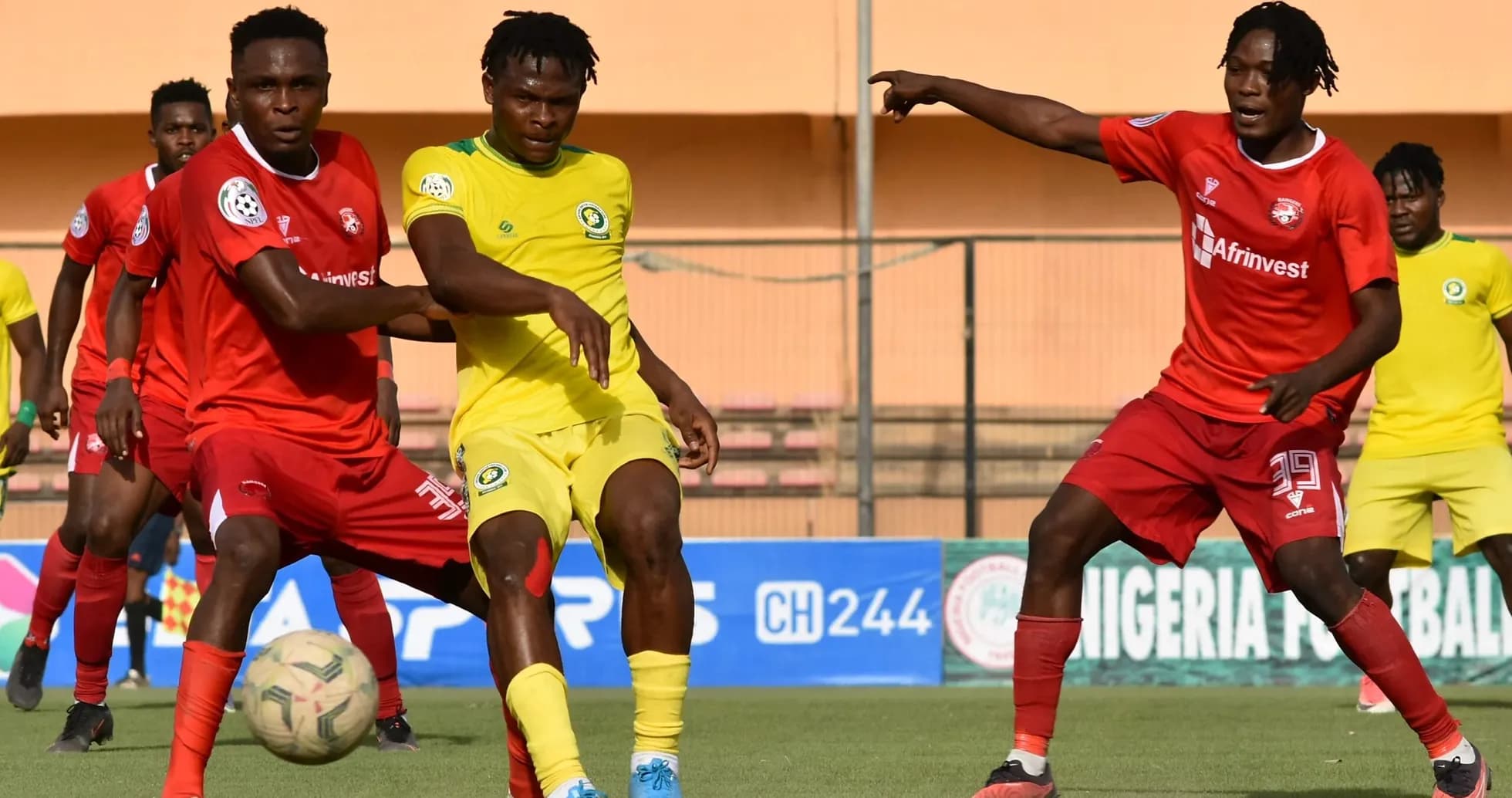
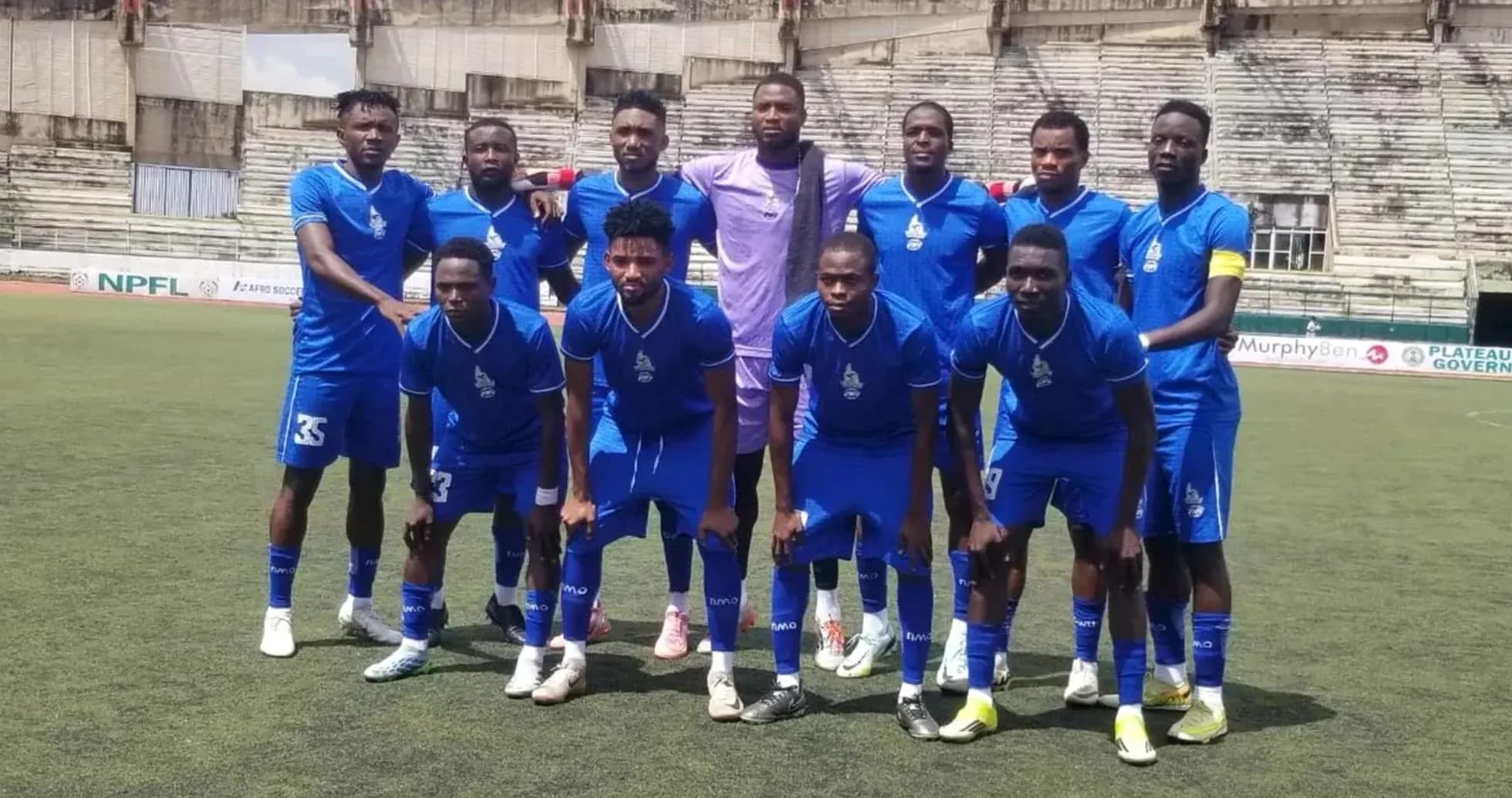
The afternoon at Yakubu Gowon Stadium closed with a statement rather than a contest. Rivers United, under Hakeem Busari, opened their 2027 NPFL campaign with a 2-0 home win over Plateau United, a result that instantly carved a contrast in early-season trajectories: Rivers climbing into the top three, Plateau sinking toward the relegation places.
I. The Big Picture – Early-Season Identities
Following this result, Rivers United sit 3rd with 3 points from 1 match, their overall goal difference already a healthy +2, built from 2 goals scored and none conceded. At home, they have played 1, won 1, scored 2 and allowed 0, mirroring their overall record. It is a small sample, but the outline is clear: a side that knows how to impose itself in Port Harcourt.
Plateau United, by contrast, leave Port Harcourt 19th in the table. On their travels, they have played 1, lost 1, scored 0 and conceded 2; overall, the same numbers apply. Their overall goal difference stands at -2, a mirror image of Rivers United’s early positivity. The defeat continues an early losing streak of 1, and with no goals scored and no clean sheets, the pattern is immediately concerning.
The scoreline itself tells the story of control. Rivers United led 2-0 by half-time and never relinquished that grip. With both goals arriving in the first 45 minutes, Busari’s side shaped the game quickly, then managed it professionally through the second half.
II. Tactical Voids – Discipline and Depth
Injury and suspension data is unavailable, but the lineups reveal two squads that arrived with full benches and, on paper, few structural excuses. Rivers United named an experienced spine: E. Andy in goal, a defensive base including E. Akobundu, O. Elias and A. Salman, and a midfield core anchored by S. Manyo and E. Utaka.
Ahead of them, Busari trusted creativity and vertical running through A. Dabai, A. Oyowah, M. Chijioke and W. Falolu, with T. Zachariah completing the XI. The bench offered balance: defensive cover in G. Innocent and U. Williams, midfield legs from D. Iyowuna and C. Ugwueze, and attacking alternatives like H. Surveyor and F. Ayuba.
On the Plateau United side, Sola Adegun set up with O. Okiemute in goal, shielded by a back line featuring I. Obiuto, J. Ambrose, I. Yahaya and I. Utin. The midfield mix of V. Dawa, O. Ekundayo, D. Isaiah and S. Nenrot, plus the forward presence of A. Yusuf and P. Samson, suggested a side built to transition quickly rather than dominate the ball.
From a disciplinary perspective, the early data hints at a problem for Plateau United. Across their opening fixtures, 50.00% of their yellow cards have come between 61-75 minutes and another 50.00% between 76-90 minutes. That means every caution so far has arrived in the final half-hour, a sign of a team chasing games and arriving late into duels. Rivers United, by contrast, have no recorded yellow or red card timings yet this season, underscoring a cleaner, more controlled approach.
III. Key Matchups – Hunters and Shields
Without a league-wide top-scorer table, the “hunter” label must be inferred from roles rather than tallies. For Rivers United, that attacking responsibility is spread across their front four. A. Oyowah, wearing the number 10 shirt, is the natural conduit between midfield and attack, likely drifting between lines and linking with wide runners such as A. Dabai and W. Falolu. M. Chijioke’s presence suggests another player capable of attacking the box from deeper or wider starting positions.
The “shield” for Plateau United is O. Okiemute and the defensive structure in front of him. But heading into this match, their defensive profile was already fragile: on their travels they had conceded 2 goals, for an away average of 2.0 goals against per game and an overall average of 2.0 as well. The minute distribution of those concessions is damningly specific: 50.00% of their goals against have come in the 0-15 minute window and 50.00% between 31-45 minutes. This is a team that starts slowly and then wobbles again before the interval.
That weakness intersected perfectly with Rivers United’s intent. Busari’s side had already shown a capacity to strike early at home, with their biggest home win so far a 2-0 scoreline achieved by half-time in this very fixture. The first half became the decisive battleground: Rivers United’s front unit pressing and combining high up, Plateau United’s defensive block repeatedly exposed in the very windows where their season’s goals against are concentrated.
In midfield, the “engine room” duel pitted Rivers United’s S. Manyo and E. Utaka against Plateau United’s D. Isaiah and S. Nenrot. Manyo, wearing 6, provided the screening role, allowing Utaka to step forward and support the press. For Plateau, Nenrot’s number 8 suggested a box-to-box mandate, but under sustained pressure their midfield line was forced progressively deeper, cutting the supply to A. Yusuf and P. Samson.
IV. Statistical Prognosis – What This Tells Us Going Forward
Rivers United’s season statistics, even at this early stage, are ruthlessly tidy. Overall, they average 2.0 goals for per game and 0.0 against. At home, the numbers are identical: 2.0 scored, 0.0 conceded, with 1 clean sheet from 1 home match and no failures to score. Their biggest home win to date is 2-0, and their longest winning streak currently stands at 1, but the manner of this victory hints at a side capable of turning Yakubu Gowon Stadium into a fortress.
Plateau United’s metrics underline the scale of their task. Overall and on their travels, they average 0.0 goals for and 2.0 goals against per game. They have failed to score in their only away outing so far and have yet to keep a clean sheet. The under/over patterns are stark: in all their matches, they have never gone over 0.5 goals for themselves, and defensively they have already gone over 0.5 and 1.5 goals against in every game.
Penalties offer no twist to the narrative: both sides have taken 0 penalties so far this season, with 0 scored and 0 missed. There is no hidden efficiency or waste from the spot to distort the underlying trends.
Following this result, the tactical storyline is clear. Rivers United look like a front-foot home side, capable of building decisive leads before the interval and then controlling tempo without disciplinary chaos. Plateau United, meanwhile, are trapped in a damaging pattern: conceding early, absorbing pressure, and picking up late bookings as fatigue and frustration set in.
If Rivers United maintain this balance between early aggression and structural control, their current 3rd place and CAF Confederation Cup qualification tag will feel less like a projection and more like a minimum target. For Plateau United, the relegation label beside their 19th place is not yet destiny, but unless Adegun finds a way to shore up those vulnerable early and late first-half phases, afternoons like this one in Port Harcourt will become a recurring, and costly, theme.