
Post-World Cup Football: What Comes Next?
The World Cup is over. Now what?
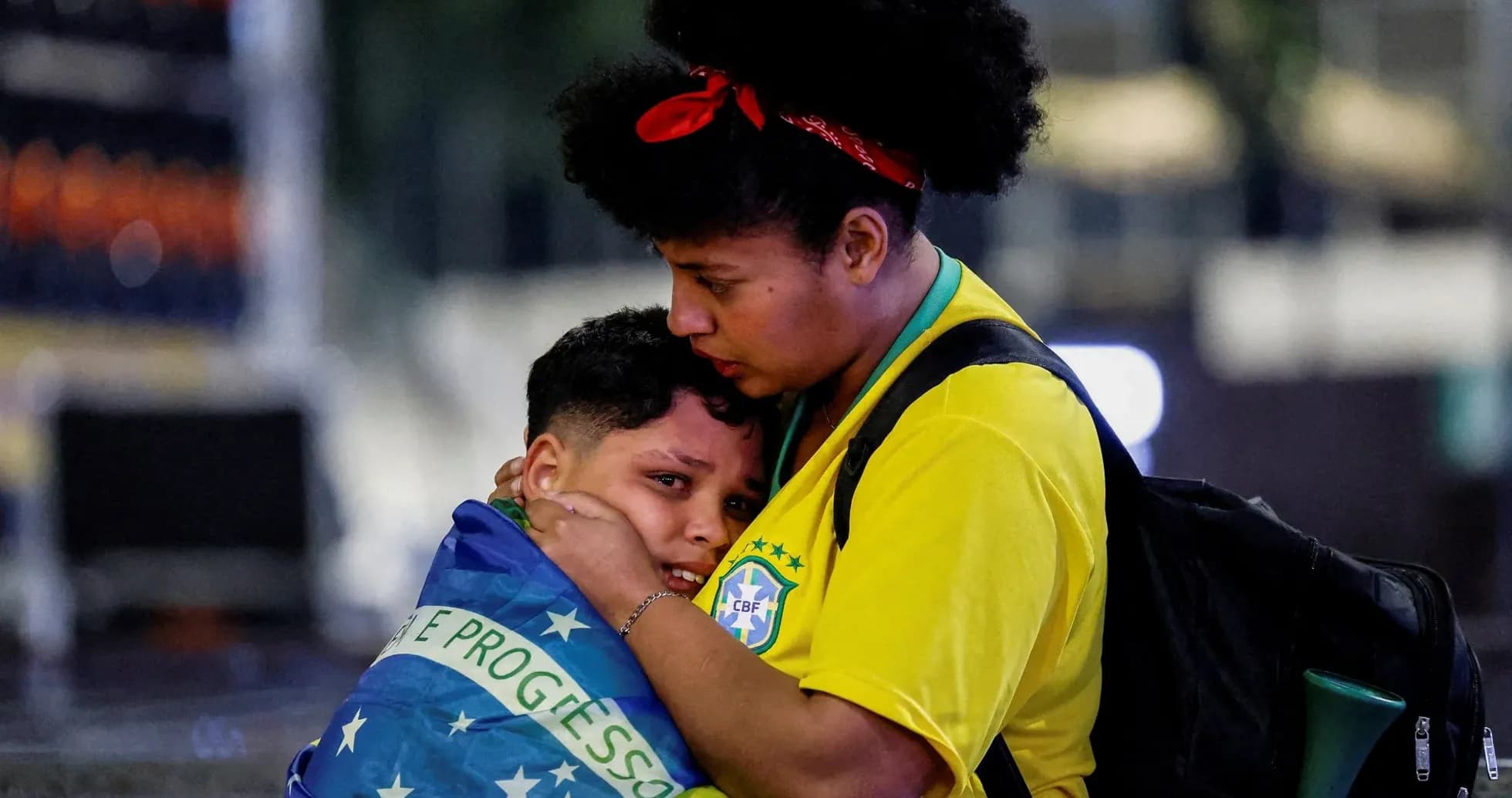
After six weeks of football at full volume, the 2026 FIFA World Cup has clicked off the screen, leaving 48 nations, 104 matches and 308 goals behind it – and a familiar emptiness for fans who built their lives around kick-off times and knockout tension.
The calendar, though, does not wait. Football never really stops; it just changes shirt and soundtrack.
Here’s how the game fills the vacuum.
WAFCON steps into the spotlight
Barely a week after the World Cup final, Africa’s women take centre stage.
The Women’s AFCON (WAFCON) 2026 opens with hosts Morocco against Kenya, a fixture loaded with expectation in front of a home crowd that has grown used to historic nights. The Atlas Lionesses will be measured against the benchmark set by their men – World Cup quarterfinalists and AFCON 2025 champions, a triumph that still carries a hint of controversy in some corners of the continent.
Nigeria arrive as the team to beat, defending the title they lifted a year ago. Ghana, Zambia and Malawi lurk in that dangerous bracket of “favourites who know it,” armed with enough talent to turn the bracket upside down.
For fans still craving tournament jeopardy, WAFCON offers it in concentrated form.
PSG, Aston Villa and a European curtain-raiser
Before Europe’s domestic engines roar back to life, one European trophy is still up for grabs.
Paris Saint-Germain and Aston Villa will meet in the UEFA Super Cup 2026 on Wednesday, August 12, at Stadion Salzburg in Austria. Kick-off is 9pm local time (19:00 GMT).
For Unai Emery and Villa, it is another chance to add to a growing European résumé and prove their 2025-26 Europa League triumph was no one-off. For PSG, it is about status and continuity – retaining the Super Cup they won in 2025 and planting an early flag in a season that will again be judged in Europe.
A one-off game, a neutral venue, two sides with something to prove. It will feel like the first big test of the new club season.
Champions League: the draw that sets the tone
The Champions League returns in September, but the real drama starts earlier.
On Thursday, August 27, in Nyon, Switzerland, 36 clubs will learn their path in the revamped league stage. Twenty-nine of them already know they are in; seven more will fight through qualifying to join them.
The competition begins in the second week of September and runs through to May 2027, the familiar marathon of midweek nights, rotating squads and fine margins. For many clubs, that draw day in August will define their season before a single domestic ball is kicked.
Premier League: champions Arsenal back under the lights
The Premier League barely gives anyone time to miss it.
Arsenal, now wearing the target of “champions”, open the 2026-27 season at home to Coventry City on Friday, August 21, at 8pm (19:00 GMT). The Emirates will not just be hosting a game; it will be staging the first defence of a title many thought had slipped permanently to Manchester.
The rest of the opening weekend offers its own storylines:
- Hull City vs Manchester United – Saturday, August 22, 12:30pm (11:30 GMT)
- Manchester City vs Bournemouth – Sunday, August 23, 2pm (13:00 GMT)
- Newcastle United vs Liverpool – Sunday, August 23, 4:30pm (15:30 GMT)
- Fulham vs Chelsea – Monday, August 24, 8pm (19:00 GMT)
Rivalries, rebirths, and a few new signings still smelling of fresh ink. The World Cup stars will walk into different dressing rooms, but the stakes remain brutal and familiar.
La Liga: world champions back home
Spain’s world champions now return to the domestic battleground that shaped them.
La Liga kicks off on August 15, when Alaves host Getafe at 17:30 GMT. Atletico Madrid follow with a home date against Malaga on August 19 at 18:00 GMT.
The heavyweight focus, though, falls inevitably on Barcelona and Real Madrid.
Barça, the reigning champions, start away at Elche on August 23, after their original opener against Athletic Bilbao was pushed to August 27. They bring back a core of world champions: Lamine Yamal, Pau Cubarsi, Gavi, Pedri and Ferran Torres, whose goal delivered the World Cup title.
Across the divide, Real Madrid reload with their own constellation. Kylian Mbappé, Jude Bellingham and Thibaut Courtois return from the World Cup spotlight to chase yet another domestic crown. Their schedule has shifted as well: the planned home opener against Real Sociedad has been moved to August 26.
That change hands Jose Mourinho a different kind of debut. His second spell in charge of Madrid will now begin away at Espanyol on August 22 – a first La Liga game back on the touchline that will be dissected from every angle.
Serie A: a wounded nation, a familiar refuge
Italy stayed home from the World Cup again, missing a third straight global tournament and deepening a national footballing scar.
Serie A, as so often, becomes the therapy.
The 2026-27 season opens on August 22, with a weekend that wastes no time in serving heavyweight fixtures:
Saturday, August 22
- Inter Milan vs Monza – 16:30 GMT
- Genoa vs Napoli – 18:45 GMT
Sunday, August 23
- Frosinone vs Juventus – 16:30 GMT
- Atalanta vs Sassuolo – 18:45 GMT
- Torino vs AC Milan – 18:45 GMT
Monday, August 24
- AS Roma vs Fiorentina – 18:45 GMT
From Milan’s title ambitions to Roma’s eternal search for consistency, the league will again try to fill the space the Azzurri left vacant on the world stage.
A new road to the World Cup in Europe
International football is not done reshaping itself.
For UEFA nations, qualification for the next World Cup will abandon the old small-group format and move to a two-tier league system.
- The 36 highest-ranked teams will enter League A, using a Swiss-system structure similar to the Champions League.
- The remaining 19 nations will form League B.
Each side will play six matches in the initial phase, with promotion, relegation and play-offs deciding who reaches the World Cup. Fewer dead rubbers, more jeopardy, and a qualifying campaign that will feel closer to a league season than a scatter of international breaks.
Nations League: Spain, England, Ronaldo and a familiar edge
The UEFA Nations League returns with more than a trophy on the line. It also feeds into qualification for both the World Cup and Euro 2028.
Spain, now both European and world champions, will be the team everyone wants to measure themselves against. Cristiano Ronaldo’s Portugal open the next matchday against Wales on Thursday, September 24, at 18:45 GMT, a reminder that his international story still has chapters left.
Two days later, on Saturday, September 26, England host Spain at 18:45 GMT. A World Cup semifinalist against the reigning champions, in a competition that has quietly become one of the most competitive fixtures on the calendar.
These are not friendlies dressed up in new clothes. They matter.
Africa’s long road to 2030
Africa leaves this World Cup with its head high. Ten teams represented the continent, nine reached the knockouts, and the sense of a rising force is unmistakable.
The next step comes later.
Based on FIFA’s calendar and previous cycles, African qualifying for the 2030 World Cup is expected to start in September 2027 and run through to 2029. Morocco, as one of the 2030 cohosts, already have their ticket. The rest of CAF will fight for the remaining places.
Africa is projected to hold nine direct spots, with the possibility of a tenth via the inter-confederation playoffs, if FIFA keeps the current allocation. After the continent’s performance in 2026, those extra berths could carry real weight.
Asia’s reset
Asia’s campaign in 2026 never caught fire. Only Australia escaped the group stage, and Egypt ended that run in the round of 32.
The response will come in the shape of a long, grinding qualification road for 2030. The AFC expects its qualifiers to begin in late 2027, with the first matches likely in October or November, and the process stretching for nearly two years.
It will be a slow burn, not a quick fix. But for a confederation that has invested heavily in development and infrastructure, those qualifying nights will be a measure of whether the gap is closing or widening.
The World Cup has gone quiet, the daily drama paused. Yet from WAFCON in Morocco to Mourinho in Madrid, from Arsenal’s title defence to Asia’s attempt at redemption, the next wave is already forming.
The only real question is where fans choose to plant their emotions next.




