Parma vs Sassuolo: A Tactical Clash at Stadio Ennio Tardini
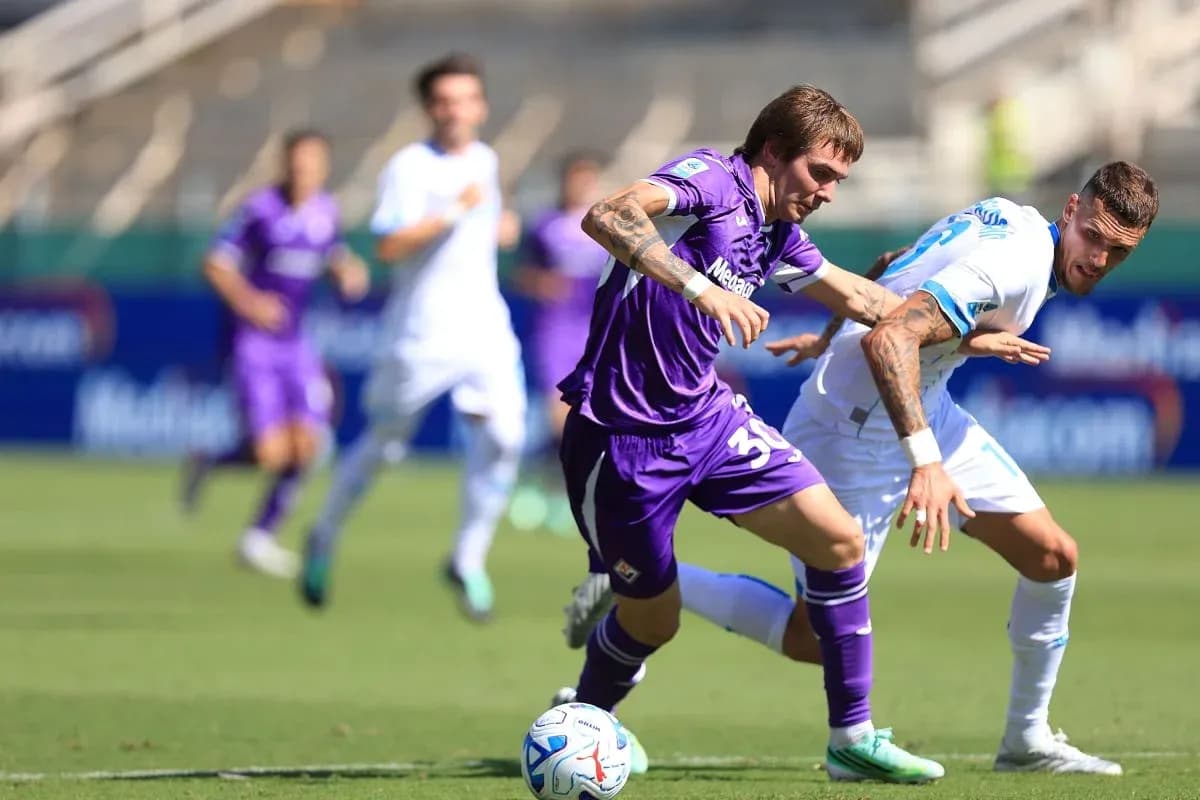
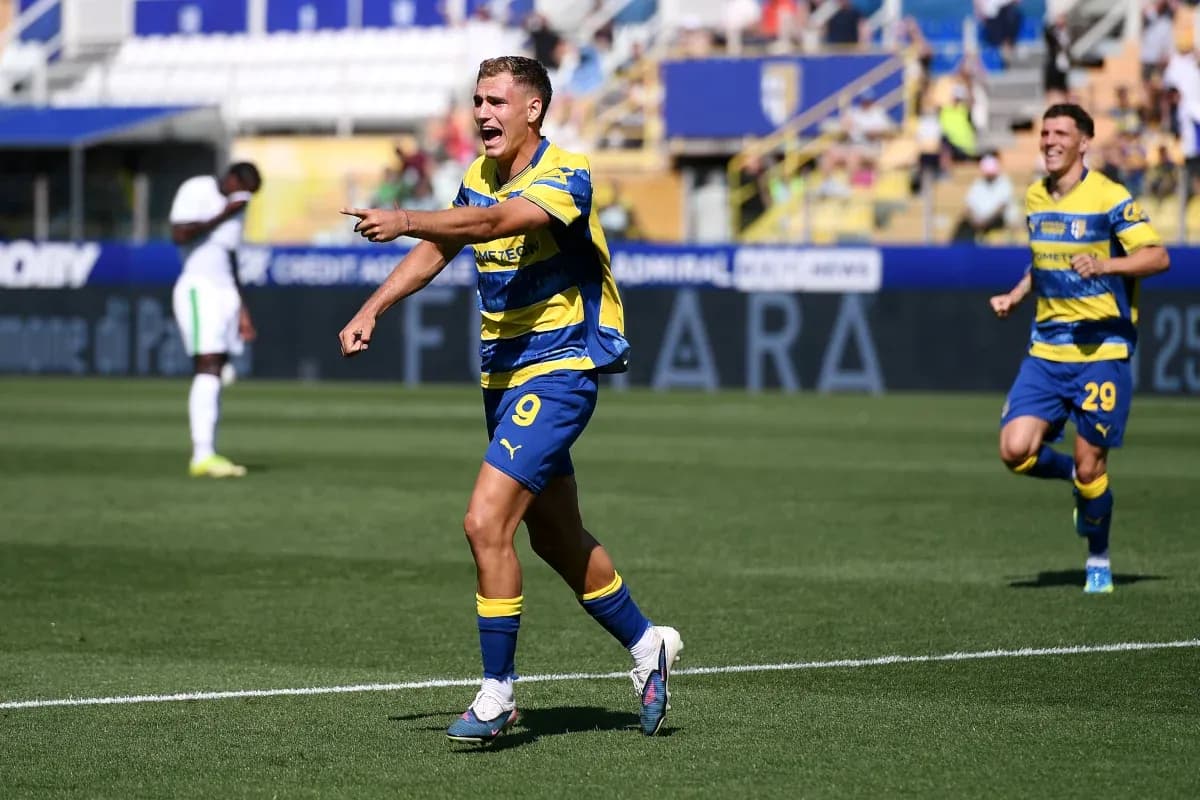
The season closed at Stadio Ennio Tardini with a narrow scoreline but a wide tactical story. In a 1-0 home win that sealed 13th place for Parma and 11th for Sassuolo, two contrasting footballing identities met: Parma’s low-scoring, system-first pragmatism against Sassuolo’s more expansive, risk-laden 4-3-3.
I. The Big Picture – Structures, stakes, and seasonal DNA
Following this result, Parma finish the Serie A campaign with 45 points, a goal difference of -18 built from 28 goals scored and 46 conceded in 38 matches. The numbers underline their identity: on average in total just 0.7 goals for per game against 1.2 conceded, with Stadio Ennio Tardini seeing only 16 home goals in 19 games at 0.8 per match. It is a side that has survived and stabilized more through structure and defensive discipline than attacking fluency.
Sassuolo, by contrast, close on 49 points with a goal difference of -4 (46 scored, 50 conceded). Their offensive output is far healthier: in total 1.2 goals for per match, with 21 goals on their travels at 1.1 per away game. But the defensive trade-off is clear: 50 conceded overall, 24 of those away at 1.3 per away outing. They arrive as a team that can punch through most back lines but rarely emerges unscathed.
The lineups mirrored those profiles. Parma’s 3-5-2 under Carlos Cuesta was a clear statement: three centre-backs in A. Circati, M. Troilo and L. Valenti shielding E. Corvi, a hard-running five across midfield, and a physically imposing front two of Mateo Pellegrino and D. Mikolajewski. Sassuolo’s Fabio Grosso stayed loyal to his season-long blueprint: a 4-3-3 with S. Turati in goal, a back four anchored by J. Idzes, a midfield triangle featuring K. Thorstvedt, and a front three of D. Berardi, A. Pinamonti and A. Laurienté.
II. Tactical Voids – Absences and disciplinary shadows
Both squads arrived carrying scars. Parma were stripped of several creative and rotational options: A. Bernabé (muscle injury), B. Cremaschi (knee), N. Elphege (thigh), M. Frigan (knee), J. Ondrejka (leg), G. Oristanio (knee) and G. Strefezza (ankle) were all listed as missing. For a side that in total failed to score in 16 of 38 league matches, losing so many attacking or linking profiles heightened the burden on Pellegrino and the wing-backs, particularly E. Valeri.
Sassuolo had their own voids. D. Bakola, D. Boloca, F. Cande, E. Pieragnolo and S. Walukiewicz were all unavailable through various injuries, while F. Romagna and A. Vranckx were marked as inactive. The absences particularly thinned out their defensive depth and midfield rotation, forcing Grosso to lean heavily on the experienced spine of Idzes, Thorstvedt and the bench presence of N. Matic.
Disciplinary trends framed the emotional temperature. Heading into this game, Parma’s yellow cards were notably clustered between 46-60 minutes and 76-90 minutes, both at 21.21%, hinting at a side that grows increasingly combative as halves wear on. Their red-card profile was spikier still: 40% of reds arriving in the 31-45 minute window, and a further late-game cluster from 61-90 and into stoppage time. M. Troilo embodies that edge; across the season he collected seven yellows, one yellow-red and one straight red, but also blocked 18 shots – a defender who lives on the line between heroic and hazardous.
Sassuolo, meanwhile, showed their own late volatility. A striking 28.92% of their yellows came between 76-90 minutes, with additional spikes in the 31-45 and 46-60 windows. Red cards were most likely just after the interval (50% between 46-60), with another 25% from 76-90. In a match where Parma’s season-long survival instinct demanded intensity, this disciplinary profile made a late Sassuolo meltdown a constant risk.
III. Key Matchups – Hunter vs Shield, Engine Room battles
The headline duel was the “Hunter vs Shield” confrontation between the strikers and the season-long defensive records.
For Parma, Pellegrino came in as their leading scorer with 9 league goals, backed by 1 assist. He is more than a finisher: 480 passes, 22 key passes, 48 dribble attempts with 25 successes, and 546 duels contested with 233 won. He is the reference point for long balls, the outlet under pressure and the first defender from the front. Up against a Sassuolo defence that on their travels conceded 24 goals at 1.3 per away game, his aerial presence and back-to-goal play were perfectly calibrated to exploit their tendency to leave space between lines when their full-backs push on.
On the other side, A. Pinamonti arrived with 9 goals and 3 assists in 36 appearances, supported by D. Berardi’s 8 goals and 4 assists and A. Laurienté’s 7 goals and 9 assists. Sassuolo’s attacking trident represented a far more prolific threat than Parma’s overall tally of 28 goals in total. Yet they were running into a Parma side that, despite their modest status, had produced 13 clean sheets overall – 5 at home and 8 away – and were comfortable defending deep in a 5-3-2 out of possession.
In midfield, the “Engine Room” duel was defined by H. Nicolussi Caviglia and C. Ordonez against Thorstvedt and, from the bench, the looming figure of N. Matic. Thorstvedt’s season numbers tell the story of a two-way enforcer: 4 goals, 4 assists, 44 tackles, 13 blocks and 32 interceptions, all while attempting 31 shots and completing 1,055 passes at 82% accuracy. He is Sassuolo’s pressure valve and their late-arriving threat.
Parma’s answer was collective rather than star-driven. With M. Keita and S. Britschgi flanking Nicolussi Caviglia, Cuesta built a compact triangle designed to screen Berardi’s half-space movements and cut supply lines into Pinamonti’s feet. Troilo’s profile was central here: 27 tackles, 18 interceptions and those 18 successful blocks show a defender prepared to step out and meet the ball, crucial when facing a side whose wide forwards like Laurienté attempt 80 dribbles across a season.
IV. Statistical Prognosis – Why the 1-0 felt inevitable
Following this result, the scoreline aligned almost perfectly with the statistical undercurrent. Parma’s season-long attacking average of 0.7 goals in total, and 0.8 at home, suggested that if they were to win, it would likely be by a single goal. Sassuolo’s 1.1 goals scored on their travels was counterbalanced by Parma’s 13 clean sheets and comfort in low-block defending.
In xG terms – even without raw values – the profiles are clear. Parma generate relatively few but often high-value chances, typically via Pellegrino’s hold-up play and set pieces, while Sassuolo produce more volume but accept defensive exposure in transition. With Sassuolo conceding 50 goals overall and Parma conceding 46, the contest was always about who would better manage risk.
Parma’s 3-5-2, dropping into a 5-3-2, reduced space for Berardi between the lines and forced Sassuolo’s full-backs, W. Coulibaly and U. Garcia, to provide width against a crowded wide block. Every time Laurienté drifted infield to link play, he was met not only by a centre-back but by a narrow midfield three, compressing the central channels where Sassuolo usually build their most dangerous xG chains.
On the flip side, Sassuolo’s 4-3-3 left them vulnerable to the very kind of attack Parma favour: direct balls into Pellegrino, second balls contested by Nicolussi Caviglia and Keita, and late runs from wing-backs like Valeri. With Sassuolo’s late-game disciplinary spike – 28.92% of yellows in the final quarter-hour – the final stages were always likely to tilt towards Parma’s attritional style.
In the end, the 1-0 at Stadio Ennio Tardini felt less like an upset and more like the logical intersection of two statistical arcs: Parma’s minimalist, structure-first campaign closing with another razor-thin win, and Sassuolo’s more expansive but fragile approach once again undone by the margins their numbers had been warning about all season.