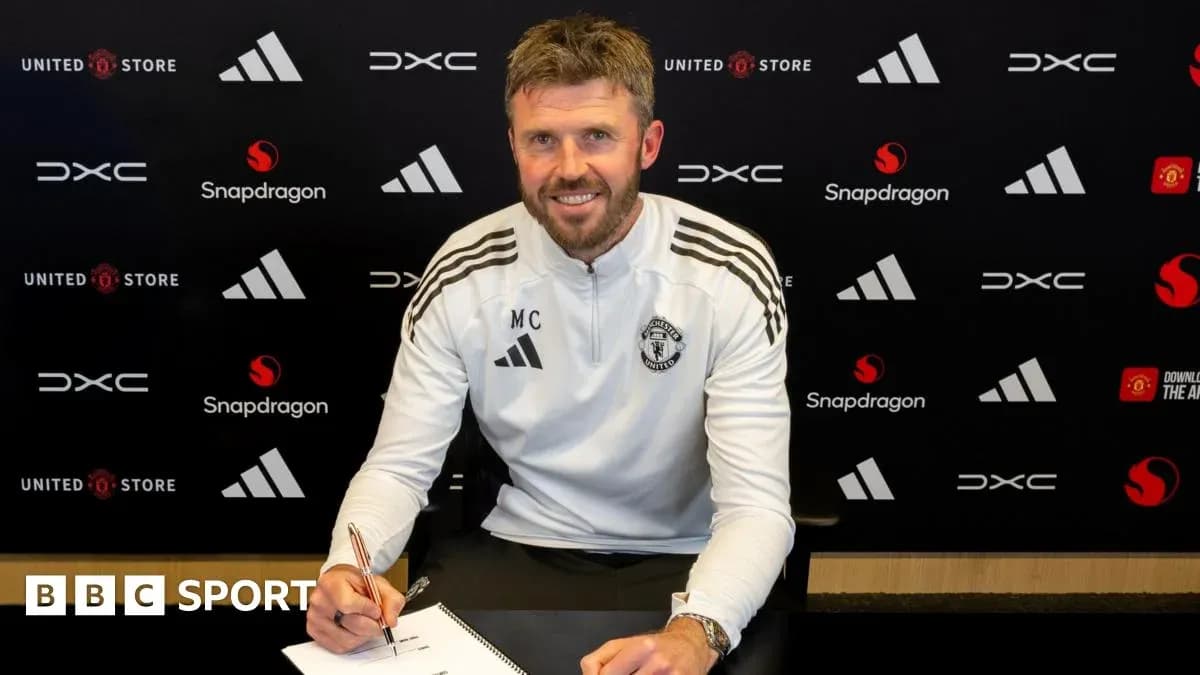
Michael Carrick Takes Charge at Manchester United: The Real Work Begins
Manchester United have removed the word “interim” from Michael Carrick’s title and handed him the job outright. A two-year contract, a clear vote of confidence, and a new era officially begins for the 44-year-old who once patrolled the club’s midfield with quiet authority.
He has earned it the hard way.
Since stepping in after Ruben Amorim’s sacking in January, Carrick has dragged United out of turbulence and straight into the Champions League. Eleven wins from 16 games. Third place in the Premier League guaranteed after that breathless victory over Nottingham Forest on Sunday. A place on a six-man shortlist for the league’s manager of the season award.
No top-flight club has collected more points than United’s 36 since Carrick took over on 13 January. The numbers tell one story. The mood around the club tells an even bigger one.
From midfield metronome to man in charge
Carrick has always understood the fabric of Manchester United. He didn’t need a welcome tour when he walked back into Carrington.
“From the moment that I arrived here 20 years ago, I felt the magic of Manchester United. Carrying the responsibility of leading our special football club fills me with immense pride,” he said, as the announcement was confirmed.
The pride is real, but so is the demand.
“Throughout the past five months, this group of players have shown they can reach the standards of resilience, togetherness and determination that we demand here. Now it's time to move forward together again, with ambition and a clear sense of purpose. Manchester United and our incredible supporters deserve to be challenging for the biggest honours again.”
For weeks, Carrick has been asked the same question: what about your future? The answer has finally arrived, but in football, clarity often brings a different kind of pressure. The honeymoon ends. The scrutiny sharpens.
A strong finish, a sterner test
Third place in a 40-game season is a solid platform. United had no European football to juggle and exited both domestic cups at the first hurdle. The schedule was relatively forgiving. Next year will not be.
A campaign that could stretch to 60 matches changes everything. Rotations, depth, injuries, form – all of it gets magnified.
Carrick’s calm presence has helped stabilise a dressing room that had been lurching from one crisis to the next. The training ground at Carrington feels less frantic, more measured. He does not panic in difficult moments, and that composure has seeped into his players.
Some statistical analysis has argued that United’s performances under him have not always matched their results. On paper, they say, United have ridden their luck at times. That may be true in patches, but it misses the shift in tone and temperament. This is a team that now looks like it believes in what it is doing.
Belief alone, though, will not carry them through a 60-game slog.
Recruitment defines the next step
The summer window now looms as the most important phase of Carrick’s early reign. United have to get their recruitment right. Not “nice to have” right – essential, structural, season-defining right.
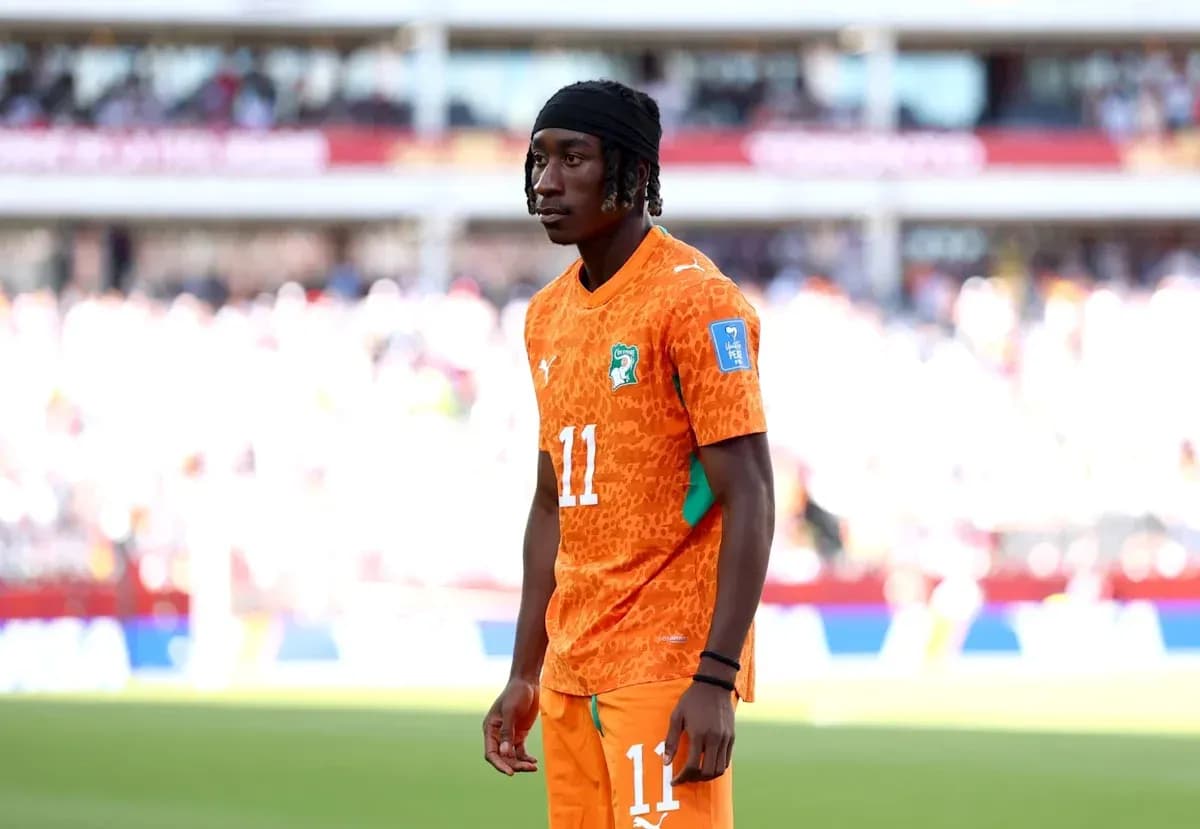
Central midfield sits at the heart of the problem. Casemiro is leaving. Manuel Ugarte has not convinced at the required level. Kobbie Mainoo is a huge talent, but he cannot be asked to carry the midfield across every competition, every three days. That is a pathway to burnout, not development.
Carrick built his playing career on control and intelligence in that area of the pitch. He knows better than anyone what is missing. United need legs, craft, and reliability in the middle of the park if they are to survive the demands of Europe and domestic battles.
Then comes the back line.
If Patrick Dorgu continues to be used higher up the pitch, Luke Shaw cannot be left without serious competition at left-back. Shaw’s quality is unquestioned; his availability is not. Behind them, the goalkeeping situation also needs clarity.
Senne Lammens requires a genuine challenger. Radek Vitek has just enjoyed an outstanding season at Bristol City and understandably wants to keep playing regularly. That will not happen if he returns to Old Trafford as a back-up option, watching from the bench instead of building on his momentum.
These are not minor tweaks. They are structural decisions that will shape Carrick’s chances of success.
Academy promise, not a shortcut
The academy, as ever at United, offers hope. It cannot, however, be the sole solution.
Eighteen-year-old midfielder Jacob Devaney has caught the eye during his loan spell in the Scottish Premiership with St Mirren. His composure and maturity have not gone unnoticed. Shea Lacey, already a promising England Under-20 international, looks destined for more opportunities next season.
They bring freshness, hunger, and the kind of internal competition every elite squad needs. But asking teenagers to carry the burden of a club chasing major honours is unrealistic. The academy can supplement, not substitute, smart recruitment.
Carrick needs help from the recruitment department. Real backing, not just rhetoric.
A harder third place
Strip away the emotion and look at the scale of the task.
Finishing third again next season, with the extra load of Europe and deeper cup runs, would represent a bigger achievement than this year’s campaign. The fixture list will be heavier. The margins thinner. Opponents sharper.
Carrick has already shown he can steady a listing ship. He has restored calm, reconnected the dressing room, and delivered a return to the Champions League.
Now comes the harder part: turning a promising rescue act into a sustained, credible challenge.
He has the job. He has the platform. With the right players, can he turn third place from a relief into a launchpad?