
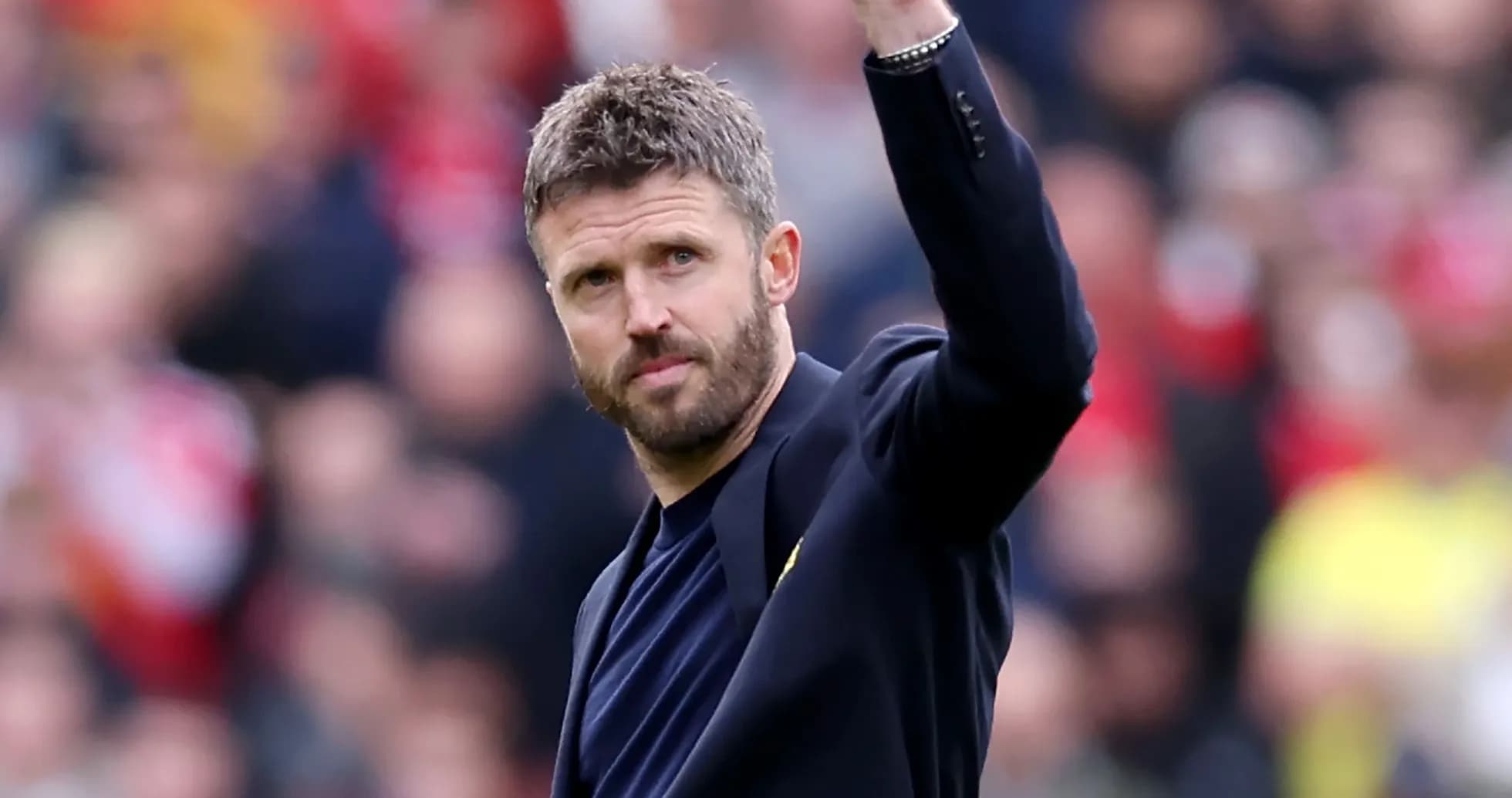
Michael Carrick Takes Charge of Manchester United: A New Era
Michael Carrick has been here before. Different role, same weight of expectation.
Two decades after first walking into Old Trafford as a player, the former midfielder now carries the club on his shoulders as permanent manager, rewarded for a five‑month audition that dragged Manchester United back towards something resembling its old self.
“From the moment that I arrived here 20 years ago, I felt the magic of Manchester United,” Carrick told the club’s website, the emotion obvious in his words. “Carrying the responsibility of leading our special football club fills me with immense pride.”
This is not a ceremonial appointment. United’s hierarchy has moved because results and performances left them with little choice. Carrick steadied a listing ship, rebuilt a fractured dressing room and re‑established a clear way of playing at Carrington. The chaos eased. The standards rose.
Over those months, he pushed a squad that had been drifting into meeting the demands he believes are non‑negotiable.
“Throughout the past five months, this group of players have shown they can reach the standards of resilience, togetherness and determination that we demand here,” he said. “Now it’s time to move forward together again, with ambition and a clear sense of purpose. Manchester United and our incredible supporters deserve to be challenging for the biggest honours again.”
That last line is the crux. United have not merely appointed a former player to buy time with the fanbase; they have handed the keys to someone they believe can haul the club back into the conversation for major trophies.
Jason Wilcox, the director of football, made it clear the decision is rooted in more than a bounce in form.
“Michael has thoroughly earned the opportunity to continue leading our men’s team,” Wilcox said. “In the time he has been doing the role, we have seen positive results on the pitch, but more than that, an approach which aligns with the club’s values, traditions and history.”
The Champions League return stands as the headline achievement of his interim spell, and Wilcox was in no mood to play it down.
“Michael’s achievements in leading the club back to the Champions League should not be understated. He has forged a strong bond with the players and can be proud of the winning culture at Carrington and in the dressing room, which we are continuing to build.”
The word “culture” matters here. For years, United have lurched from one idea to the next. Different managers, conflicting philosophies, squads pulled in several directions at once. Carrick has, at least for now, given the place a single voice again.
His reward is the most demanding phase of the job.
The short-term firefighting is over. Survival has been secured, European football restored. Now comes the hard part: turning a revived mood into a ruthless, title-chasing machine.
Carrick’s immediate challenge is squad engineering, not just team selection. With the summer transfer window about to open, every conversation at Carrington shifts towards recruitment, exits and the kind of depth required to live with the Premier League’s elite while navigating Champions League nights.
He has already been recognised by the league, landing on the Premier League Manager of the Season shortlist. That nod underlines how sharply United’s trajectory has changed under his watch. It also raises the bar for what comes next.
Pre-season will not be a gentle tour with a few fitness drills. Carrick must now design a programme robust enough to sustain a domestic title push and a multi-front European campaign. Workloads, tactical layers, rotations, leadership groups in the dressing room – all of it falls under his remit.
The club, for its part, must match his ambition in the market. The “administrative focus,” as insiders like to call it, is already zeroing in on elite summer targets. United know they cannot lean on the same core for 60 games and hope resilience alone will carry them.
Carrick has talked about resilience, togetherness and determination. The next season will test all three. The romance of a former midfielder in the dugout has given United a jolt, but romance fades quickly in a league this unforgiving.
The question now is stark and simple: can the man who once controlled United’s midfield now control the direction of the club in the era that will define its future?




