Michael Carrick Faces Pressure Ahead of Manchester Derby
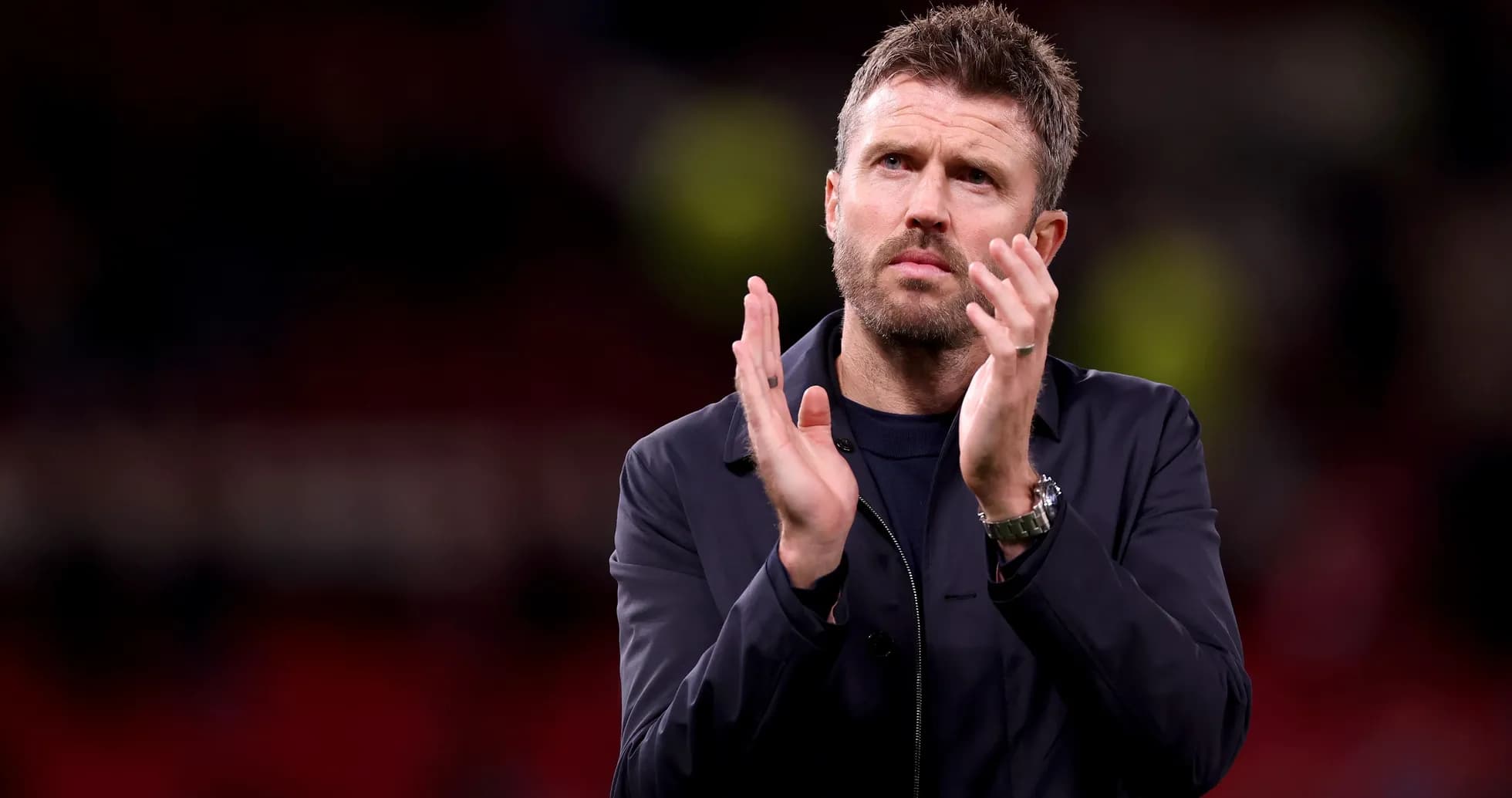
Michael Carrick is barely a few weeks into his permanent reign at Old Trafford, and already the knives are out.
His record as caretaker was strong enough on paper – 11 wins from 16 after stepping in for Ruben Amorim – to earn him a two-year deal. Inside the club, that run was seen as proof he could steady a drifting giant. Outside, the debate has been far less forgiving.
Carragher’s cold verdict
Writing in his column for The Telegraph, Jamie Carragher cut straight through the goodwill. He argued that while most Manchester United supporters can live with the decision to keep Carrick, the wider game simply doesn’t buy the idea that he is the man to restore the club to the top of the Premier League or Champions League.
Carragher wrote that, to many observers, Carrick still feels like “an interim solution in all but name”, a caretaker with a contract, minding the shop until a so‑called “super coach” arrives in the summer of 2027. Carrick will not see himself that way, Carragher acknowledged, but he believes those perceptions will be difficult to shake.
The former Liverpool defender then went a step further, drawing a direct line between Carrick and Ole Gunnar Solskjaer. Both men, he argued, rode a wave of sentiment from caretaker success to full-time appointments. Both, crucially, were elevated because of what they meant as players, not because of heavyweight coaching résumés.
“He is viewed beyond Old Trafford in the same way as Ole Gunnar Solskjaer when he was handed the job full time,” Carragher wrote. Their route into the dugout, in his eyes, was clear: they were club greats first, coaches second. Once they did well as caretakers, giving them the job became a “sensible and emotional” call.
Carragher’s core point was brutal. Strip away the romance and the playing careers, and he does not believe Carrick – or Solskjaer before him – would ever have been approached by another elite club in England or Europe. Without that sentimental pull, he suggested, no top side would have seriously weighed them up for a permanent deal.
Backed in the market, hit on the pitch
The criticism comes despite United backing Carrick heavily in the transfer market. The club spent around £140 million in the summer, reshaping the midfield with Youri Tielemans, Carlos Baleba and Andrey Santos among the headline arrivals. It was the sort of outlay that signals intent: compete on all fronts, and do it now.
Then came Hull City.
A newly-promoted side, first day of the season, and United were beaten 2-0. The result stunned the fanbase and handed Carrick’s detractors an immediate stick to beat him with. One game into his permanent tenure, the pressure gauge had already jumped.
United have clawed back a little ground since. A hard-fought win over Ipswich Town steadied the mood, only for a frustrating draw with Everton to underline the inconsistency that has stalked the club for years. Those stuttering domestic displays have done little to quiet voices like Carragher’s.
Europe, at least, offered a brief release. United opened their Champions League campaign with a convincing win over Azerbaijani debutants Sabah FK, a performance that hinted at the potential within Carrick’s remodelled squad. The football was sharper, the control clearer. It looked like a team with an idea of itself.
But one European night in September does not settle an argument that has been raging at Old Trafford for a decade.
Derby as a litmus test
Now comes the Manchester derby, and with it a far more ruthless examination of Carrick’s credentials.
Lose to their city rivals and the narrative Carragher has set out will only harden: that Carrick belongs a tier below the “super coaches” United are widely expected to chase if results falter before 2027. Every selection, every substitution, every tactical tweak this weekend will be judged with that longer horizon in mind.
Carrick has the contract. He has the backing in the transfer market. He has the job title, not the “interim” tag.
What he does not yet have is the conviction of the wider football world that he truly belongs in one of the sport’s most demanding dugouts. The derby will not decide his future on its own, but it will tell everyone watching a great deal about whether those doubts are starting to fade – or about to grow louder.