Manchester United's Strategic Moves in the Transfer Market
Manchester United show their teeth in the market at last. Not by winning a bidding war, but by walking away from one.
At the start of the week, the mood around Old Trafford was twitchy. United had missed out on Elliot Anderson, watched Tottenham throw money at West Ham for Mateus Fernandes, and the familiar narrative of a muddled United window was already being dusted off.
Then came a sharp change of pace.
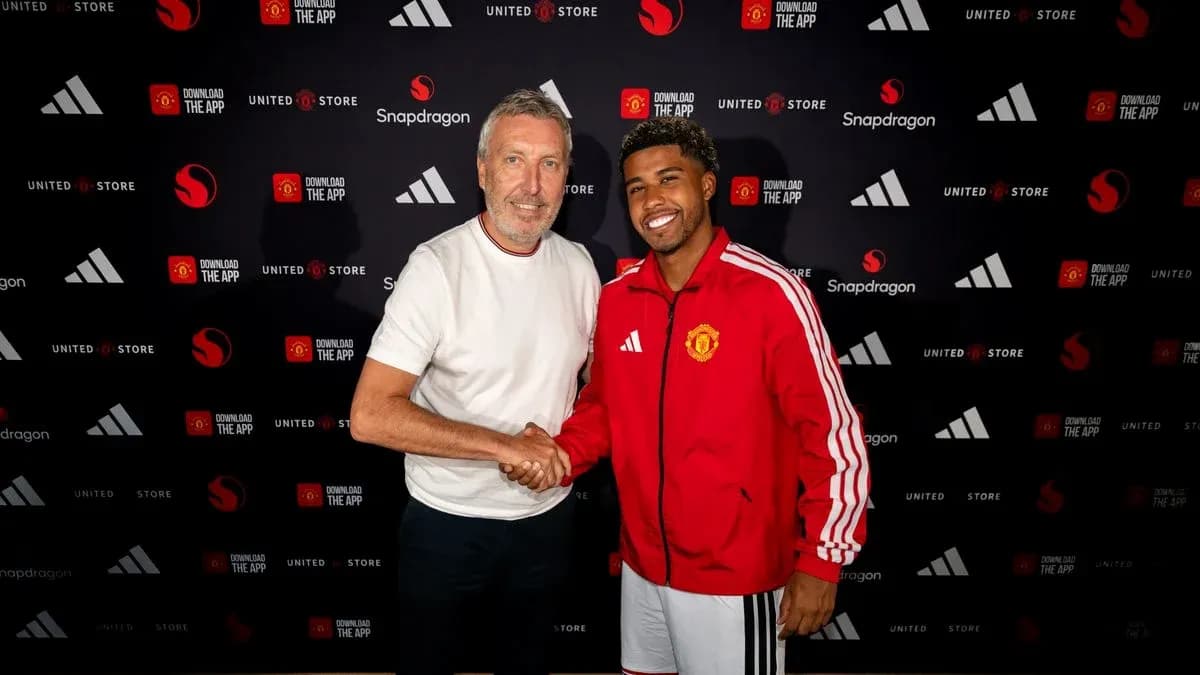
On Monday, United unveiled Andrey Santos for £50million. On Tuesday, Youri Tielemans followed for £35m. Two midfielders, two different profiles, one clear message: this is a club trying to act with a plan, not a panic.
Crucially, those two deals combined came to the same price Spurs paid for Fernandes alone.
Walking away from the trap
Fernandes was the next name on United’s list after Anderson. West Ham wanted £85m up front. Tottenham paid it, and backed it up with a £250,000-a-week contract.
Old Trafford once used to blink at moments like that. The previous regime caved after missing out on Frenkie de Jong and hurled money at Casemiro. This time, the new decision-makers stayed cold. They liked Fernandes, rated his ceiling, knew his numbers were not far off Manchester City’s new man Anderson on key midfield metrics last season. They also knew what he would cost them in the dressing room as well as on the balance sheet.
Match Spurs’ wages, and the wage structure creaks again just as United are trying to slim it down. Pay West Ham’s fee, and you are locked into justifying an £85m midfielder who arrives with back-to-back relegations on his CV and is still learning his trade.
Fernandes may go on to justify every penny. He may not. What United can already point to is value: Santos and Tielemans for the same outlay, with less risk and more variety.
Santos and Tielemans: value with a plan
Santos is a bet on the future. He is not the finished article, but neither is Fernandes, and the Brazilian comes without the weight of that fee or the Premier League baggage of two demotions. He can grow into the role, not be crushed by it.
Tielemans is the opposite: proven, polished, and painfully familiar to every Premier League analyst. For seven and a half years he has been one of the division’s most consistent midfielders, a metronome who rarely drops below a certain level. Aston Villa were desperate not to lose him this summer for a reason.
At 29, he arrives at United with his game fully formed. His passing numbers tell the story: he has played as many short, precise passes into tight spaces as almost anyone in the league in recent seasons. He takes the ball under pressure, stitches moves together, and switches play with a range that will give Michael Carrick exactly what he wants from the centre of the pitch.
Jason Wilcox didn’t bother dressing it up when Tielemans walked through the door.
“Youri has consistently been one of the most outstanding midfielders in the Premier League,” he said. “He has all of the technical qualities, as well as the ambition and mentality, to thrive at United.”
Wilcox also highlighted something United badly needed: leadership. Tielemans captains Belgium, wore the armband in his final season at Leicester, and carries himself like someone who has lived through both title pushes and relegation scraps.
With Casemiro gone, the leadership void in the middle of the pitch was obvious. Tielemans won’t fill it alone, but he gives United a voice, a standard, and a player others can lean on when the game tilts.
A board under fire starts to answer back
None of this erases the mess of the Ruben Amorim episode. The board hired a coach who quickly unravelled. Amorim clashed with the club, alienated people, and, despite clearing out some big egos and attempting to reset the dressing-room culture, left a trail of grim numbers behind him: worst win ratio, worst goals-conceded-per-game, lowest clean-sheet ratio of any United manager in Premier League history.
He talked his way out of the job. The appointment was a disaster from the start, and the criticism of those who made it was entirely justified.
But recruitment is now telling a different story.
It felt last summer as though something had finally clicked behind the scenes. This window has been harder, more complicated, more public. Yet the response to missing out on Fernandes – moving quickly, refusing to overpay, landing two midfielders for the price of one – suggests that lesson has stuck.
There is a belief inside Old Trafford that the market still holds value if you’re patient, prepared and ruthless enough to say no. Santos and Tielemans are the early evidence.
What comes next
No one inside the club is pretending the job is done. United still need a third high-quality midfield addition if they are to carry the season United supporters expect. Other areas of the squad will need attention before the window shuts.
But this week mattered. Faced with the old temptation to chase the name they missed, United chose the harder path: restraint. They left Spurs to pay the premium and quietly built a midfield that looks deeper, smarter and more balanced than it did seven days ago.
Carrick now goes into next season with Tielemans knitting his side together and Santos pushing to prove he belongs at this level.
For once, the story at United isn’t about the player they didn’t get. It’s about whether this new-found discipline in the market can finally drag the club back to where it thinks it belongs.