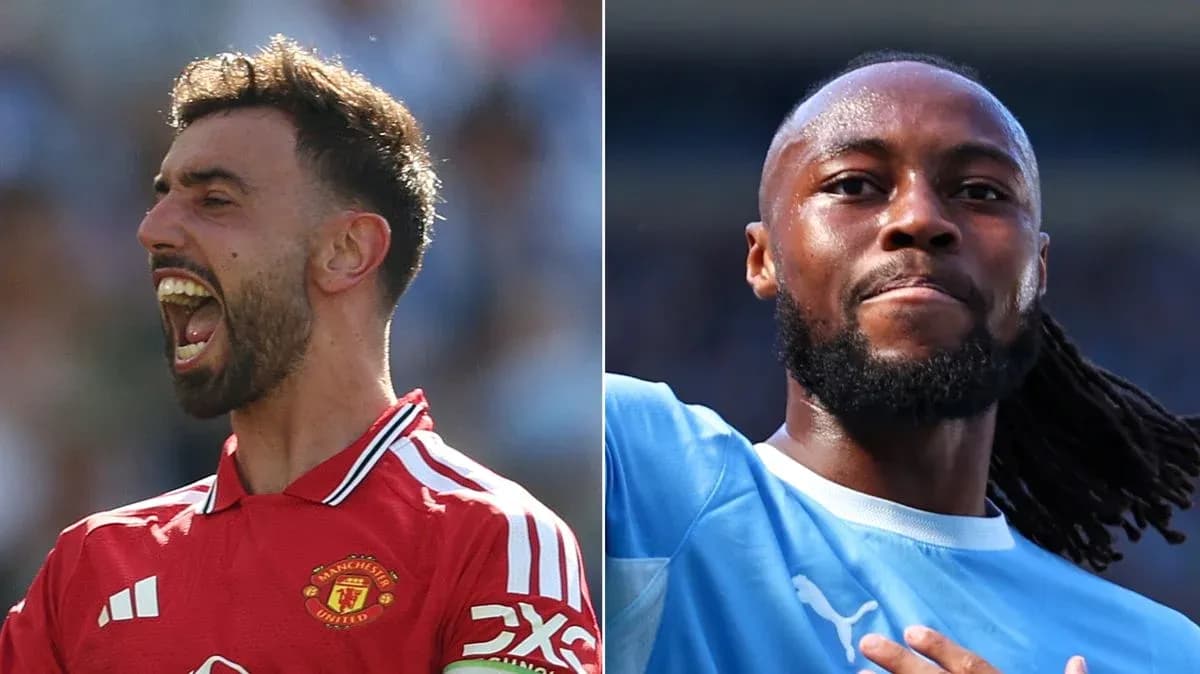
Manchester United and City Prepare for 2026/27 Premier League Season
The World Cup is rumbling on, the last season only just in the rear-view mirror, but in England the clock has already flipped forward. Fixture Release Day. For Manchester United and Manchester City, today sketches out the shape of their 2026/27 Premier League lives.
At 10am, the calendar drops. Title hopes, top-four pushes, sack-race pressure – all of it starts to take form in black and white.
Carrick’s United look for a runway
Old Trafford has not felt this optimistic in years.
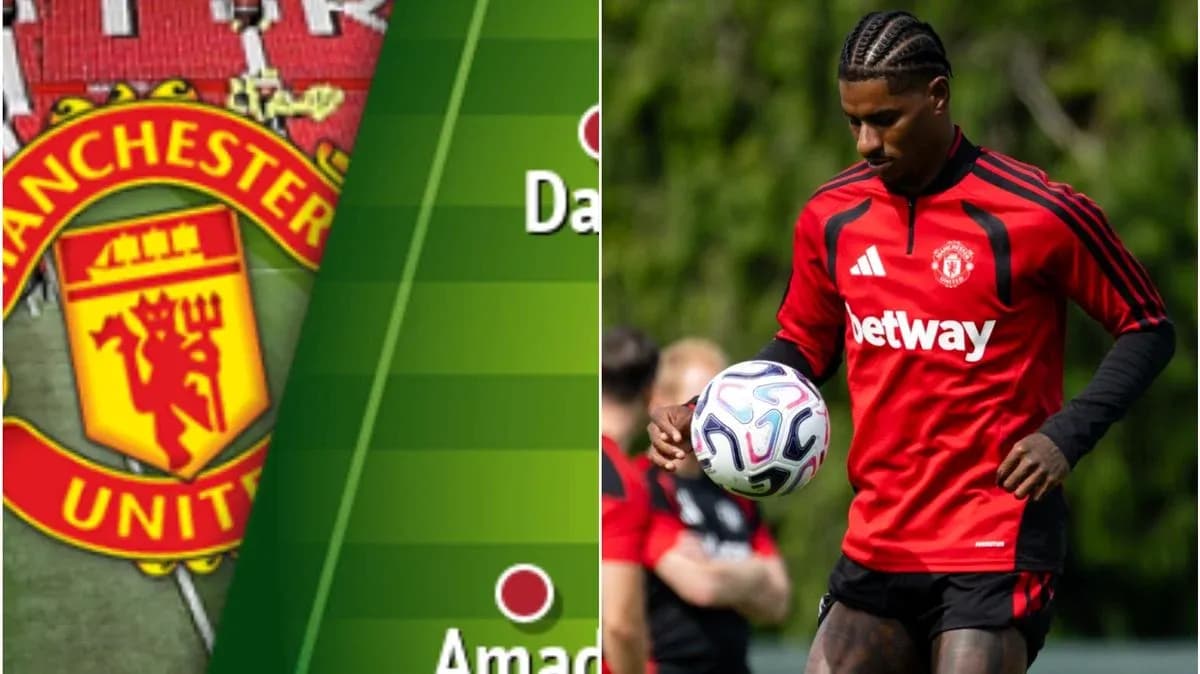
Michael Carrick, parachuted in mid-season to replace Ruben Amorim, did more than steady the ship. He turned United around with enough conviction to stroll back into the Champions League places, and he did it early enough that the final weeks became a statement, not a scramble. The permanent job followed, and so did a sense of momentum.
United finished last season nine points behind City and 14 off champions Arsenal. That gap is the measuring stick now. Carrick won’t dress third place up as an achievement for a club that still judges itself by title banners. The aim is simple: get closer. Much closer.
The fixture list will either help or hinder that ambition. United’s start last year was brutal – Arsenal, City and Chelsea in the first five games. Seven points from 15 wasn’t a disaster, but it left them chasing. This time, they could do with a cleaner runway. A kinder opening month. A chance to bank belief before the heavyweights arrive.
There’s another layer to watch: Europe. United will play eight matches in the new Champions League league phase. What comes straight after those nights matters. Carrick will not want long away trips or heavyweight domestic clashes immediately on the back of European fixtures, when legs are heavy and rotations are stretched. The dates are fixed – September through January – but the opponents around them are not. Those pairings can define a season.
City step into the unknown
Across town, the mood is different. Not bleak. Just uncertain.
Pep Guardiola has gone, leaving a void that no appointment can fill in name alone. Enzo Maresca is expected to walk through the door at the Etihad, but the announcement has dragged and the questions are piling up. How much of Guardiola’s City can he preserve? How quickly can he impose his own touch without unsettling a machine built over years?
This, more than any season in recent memory, feels like a test of City’s institutional strength. The target is non-negotiable. They have to look like City again. They have to compete for the title.
The fixture list becomes Maresca’s first opponent. Last year, City opened with a 4-0 demolition of Wolves, only to lurch into back-to-back defeats against Spurs and Brighton before thumping United 3-0 and drawing with Arsenal. It was a wild start, and it set the tone for an uneven campaign.
Whoever City face on the opening weekend will be cast as Maresca’s first Premier League exam. The first home game at the Etihad will carry its own edge: how quickly do the crowd see something familiar, something reassuring, in a post-Guardiola side?
New faces, new stories
United and City will find three new names on their Premier League slate.
Coventry City are back. The Sky Blues, under Frank Lampard, stormed to the Championship title, finishing 11 points clear of Ipswich Town. Lampard, once written off in the dugout after bruising spells at Chelsea and Everton, has rebuilt his reputation in the Midlands. His return to the top flight will be one of the early subplots of the season, and both Manchester clubs will be wary of newly promoted energy and a manager with something to prove.
Ipswich arrive with a twist of their own. Kieran McKenna, the former United assistant who masterminded their automatic promotion on the final day, has stepped away from football this summer. His decision to stand down leaves a vacancy that has already pulled in a familiar name: Ole Gunnar Solskjaer is among those in the frame to replace him. If that happens, a United–Ipswich fixture instantly becomes a reunion loaded with narrative.
Hull City complete the trio. They finished sixth in the Championship but tore through the play-offs, knocking out third-placed Millwall before a chaotic path to Wembley. Southampton were expelled from the play-offs for spying on semi-final opponents Middlesbrough, who were reinstated, only for Hull to prevail in the final. Oli McBurnie’s last-minute winner sealed promotion in the most dramatic fashion possible. Any trip to the MKM Stadium will come with a warning: this is a team that thrives on the edge.
The machine behind the calendar
Behind the drama of today’s reveal sits a cold, complex process that started six months ago.
The Premier League’s scheduling team feeds a supercomputer with every constraint imaginable: Champions League dates, police advice, local events, stadium availability, and the needs of broadcasters. From there, the algorithm works through a strict set of rules designed to protect fairness and, increasingly, player welfare.
No team can play more than two home or two away games in a row. Over any five-match stretch, clubs must split their fixtures either 3–2 or 2–3 between home and away. Nobody starts or finishes with back-to-back home or away matches. Around FA Cup ties and international breaks, the league tries to give clubs a home-and-away balance on either side.
The Christmas period has become a battleground. Last season saw only one Boxing Day fixture, a move that angered traditionalists. United still got their festive hit with an 8pm home game against Newcastle, but the calendar as a whole felt stripped back. The Premier League pointed to the expanded European schedule and a domestic calendar squeezed into 33 weekends as the reason.
This year, Boxing Day falls on a Saturday, and the league has promised more fixtures on the date that many fans still treat as sacred. Even then, rest periods between rounds 18, 19 and 20 will be stretched so that no club plays twice within 60 hours.
The start of the season has shifted too. The 2026/27 campaign kicks off on Saturday, August 22 – a week later than last year – to create a longer gap after both the domestic season and the 2026 World Cup. There will be 89 clear days from the end of the 2025/26 campaign and 33 days from the World Cup final before the Premier League ball rolls again.
The final day is set for Sunday, May 30, one week before the Champions League final at the Metropolitano in Madrid on June 5. Those dates will be etched into every dressing-room wall before long.
Europe’s shadow
For both Manchester clubs, Europe hovers over everything.
The new Champions League format brings eight league-phase games on these dates: 8–10 September, 13–14 and 20–21 October, 3–4 and 24–25 November, 8–9 December, 19–20 January and 27 January. The opponents in those midweek fixtures remain unknown, but the Premier League schedule around them will be revealed today.
Clubs want home games after long European trips. They want to avoid top-six clashes on the back of draining nights abroad. They want rhythm, not chaos. The fixture list can’t protect everyone, but it can make or break a month.
United, back in the Champions League with something approaching swagger, will see those domestic games after European nights as a test of their depth. City, now a permanent fixture in the latter stages of the competition, know that February and March are usually where title races and European runs collide.
A city on edge
There is a shared impatience in Manchester this morning, but it comes from different places.
United fans want a path that keeps the Carrick bounce alive. They want to avoid a repeat of last season’s brutal opening run. They want their first glimpse of when Arsenal and City come to Old Trafford, and when they must walk into hostile territory themselves. They want to know where the pressure points are.
City supporters are scanning for something else. They want to see how kind the early weeks are to Maresca, assuming his appointment lands in time. They want to know when the first derby arrives in a post-Guardiola world, and whether the fixture list gives their new coach a chance to settle before the title contenders line up opposite him.
For the first time in years, there is genuine uncertainty at the Etihad. Not crisis. Just questions. Can City prove that the Guardiola era has left them with a structure that outlives the man? Or will this season expose the scale of what they have lost?
At Old Trafford, the question is different. United finally look like a club with a plan and a coach aligned to it. The Champions League is back, the mood is lighter, and the football has a clearer identity. The fixture list will not decide whether that project succeeds, but it will dictate the terrain.
In a couple of hours, the map of 2026/27 will be pinned up in both dressing rooms. The routes are about to be drawn. Which side of Manchester will be better equipped to walk them?