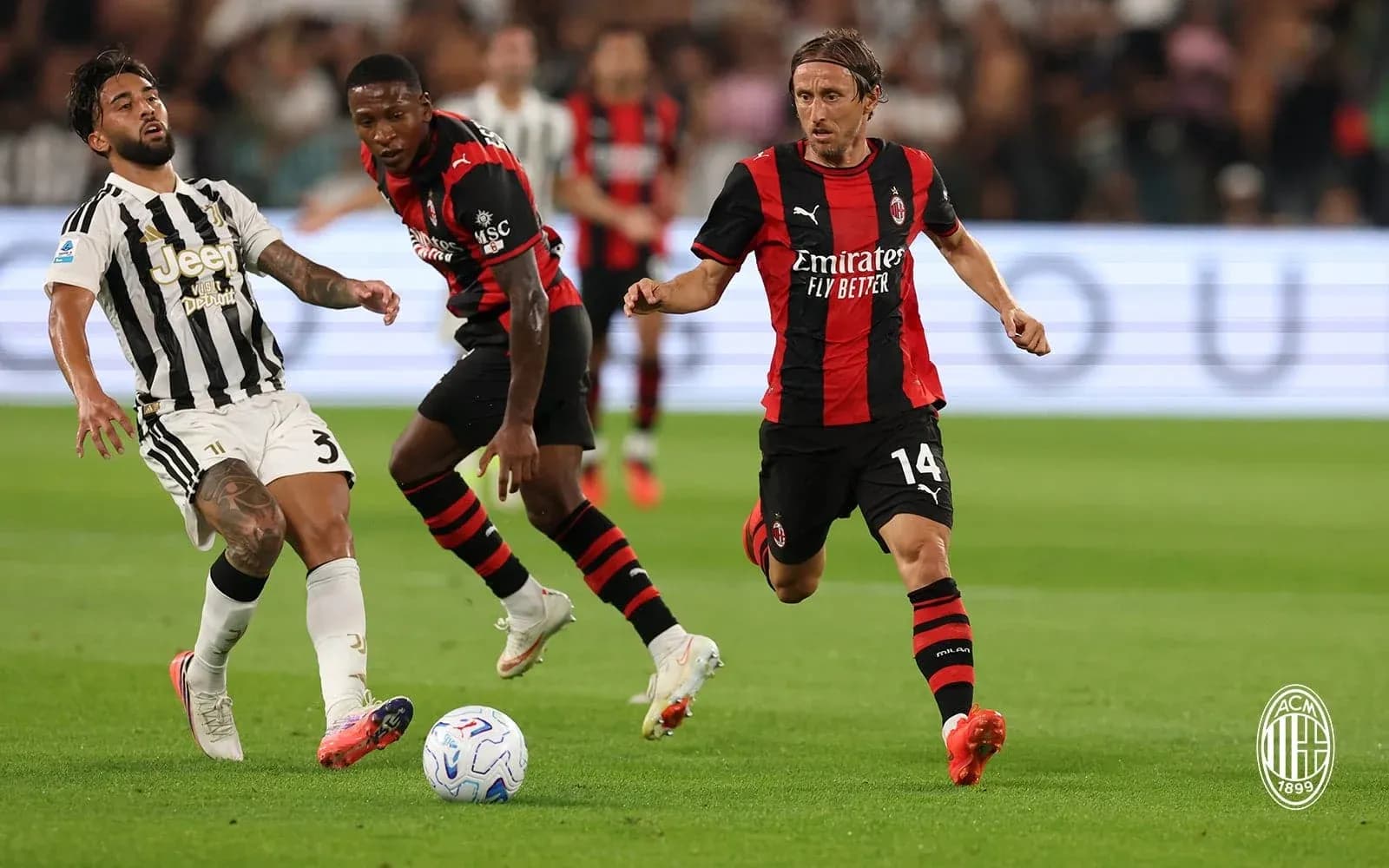
Juventus vs AC Milan: Tactical Analysis of Serie A Clash
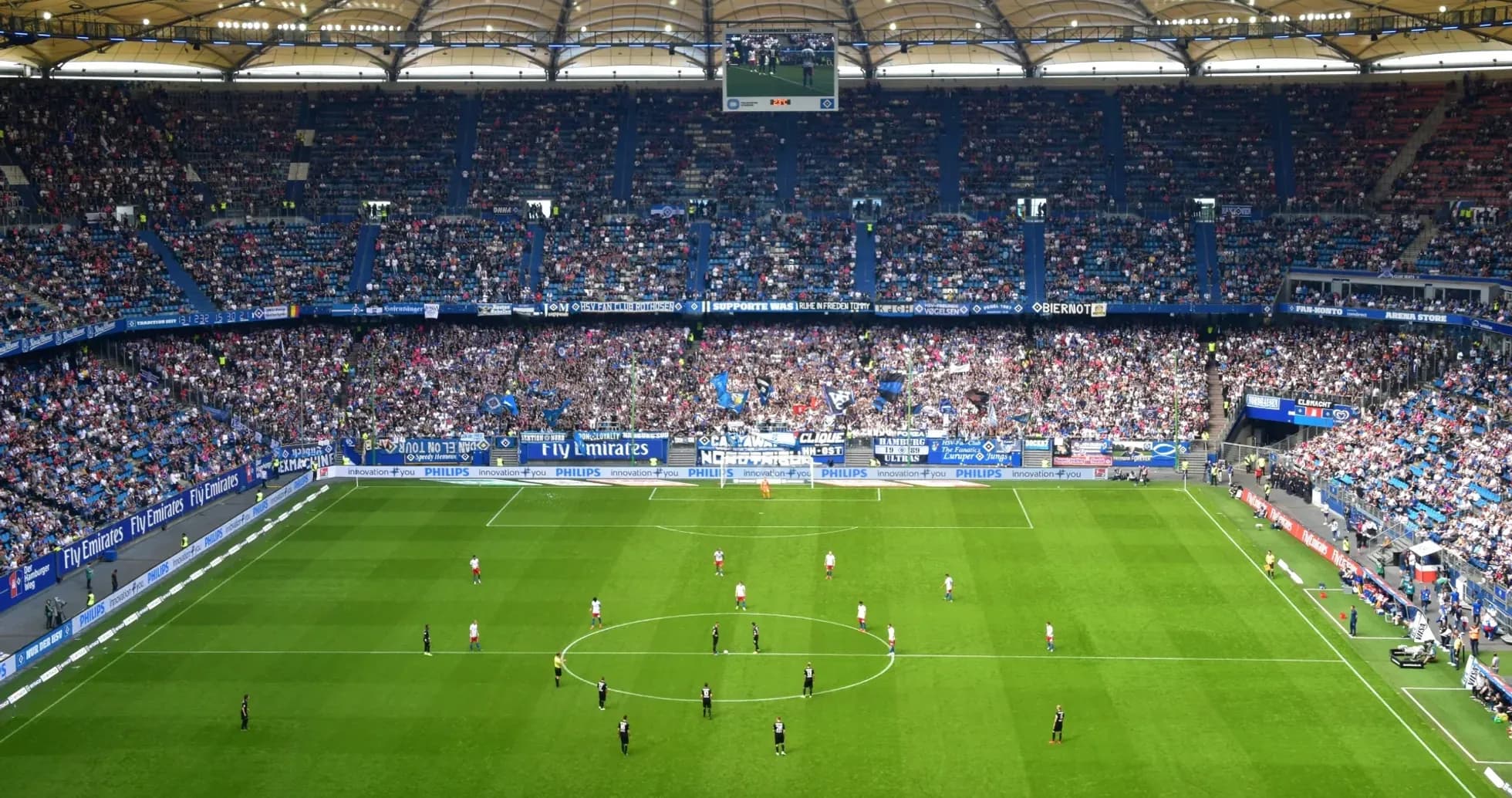
Under the lights of Allianz Stadium, this early‑season Serie A meeting between Juventus and AC Milan carried the feel of a statement game rather than a routine “Regular Season - 3” fixture. Both sides arrived with identical overall records – unbeaten, with two wins and one draw in total – and a shared goal difference of +3, but with sharply contrasting footballing identities beginning to emerge.
Following this result, the table snapshot tells its own story. Juventus sit 6th with 7 points, their overall record built on 4 goals scored and just 1 conceded in total. Milan, 5th with the same 7‑point haul, have been a touch more expansive: 5 scored and 2 conceded in total. The symmetry of the 1–1 draw in Turin felt like a fair reflection of two projects at a similar competitive level but moving along different tactical rails.
I. The Big Picture – Structures and Seasonal DNA
Juventus, under Luciano Spalletti, leaned into control and structure with a 4‑2‑3‑1 that has already become their dominant shape this season (used in 2 of their 3 league games). At home, they had been efficient if not explosive: heading into this game they averaged 1.5 goals scored and 0.5 conceded at Allianz Stadium, with 3 goals for and 1 against across 2 home fixtures. Overall, their attack has been measured – 1.3 goals scored per game in total – but underpinned by a defence that had allowed only 1 goal in 3 matches in total.
Milan, by contrast, arrived as a fully committed 3‑4‑2‑1 side. Ruben Amorim has not deviated from that shape once in the league so far, using it in all 3 matches. On their travels, Milan had been productive and brave: 3 goals scored and 2 conceded away, an attacking average of 1.5 goals per away game against 1.0 conceded. Their overall scoring rate of 1.7 goals per game in total hinted at a side more willing to trade blows than Juventus.
The draw preserved both teams’ unbeaten starts and left their defensive records largely intact: Juventus still conceding just once at home in the league, Milan still yet to lose away.
II. Tactical Voids – Absences and Discipline
Juventus came into this fixture with a sizeable injury shadow. J. Cabal (thigh), A. Cambiaso (ankle), J. Ekhator (muscle), W. McKennie (muscle), A. Milik (inactive), P. M. Sarr (muscle), K. Thuram (knee) and K. Yildiz (foot) were all listed as missing. That cluster of absences particularly thinned Spalletti’s options in the full‑back zones, midfield rotation and secondary attacking profiles. It helps explain why he trusted a compact, continuity‑based XI and kept the structure conservative behind R. Kolo Muani.
Milan’s list was lighter but not insignificant. M. Gabbia, out with an ankle injury, removed a natural option for the back three, pushing the coach to lean more heavily on M. Gila, K. De Winter and S. Pavlovic as the defensive triangle.
From a disciplinary lens, the season‑long patterns framed the game’s tone. Juventus have shown a tendency to collect yellows in bursts: 40.00% of their cautions come between 46–60 minutes, with another 20.00% in each of the 0–15, 76–90 and 91–105 ranges. Milan, conversely, cluster their yellows late: 20.00% each between 46–60, 61–75 and 76–90, then a spike to 40.00% from 91–105. This hints at two sides who often escalate aggression as the match wears on – Juve immediately after half‑time, Milan in the dying stages – and it shaped the tactical risk management as both coaches navigated the second half.
III. Key Matchups – Hunter vs Shield, Engine Room Battles
The frontline duel was defined more by structure than by a single scorer. Juventus’ “hunter” was R. Kolo Muani, spearheading a line supported by F. Conceicao, N. Gonzalez and K. Alajbegovic. Behind him, the numbers told a reassuring story: heading into this game, Juventus had conceded just 0.3 goals per match in total, with 2 clean sheets in 3 games and no failures to score. Spalletti’s shield is collective rather than individual – a back four of P. Kalulu, Bremer, J. Lucumi and Z. Celik, screened by M. Locatelli and Douglas Luiz.
Milan’s attacking threat came from a more layered structure. G. Ramos occupied the tip of the 3‑4‑2‑1, but the creative and scoring burden is widely shared. A. Rabiot, operating as one of the advanced forwards, has already contributed 1 goal and 1 assist in total this season. On the bench, A. Cissé – with 2 goals in total and a 7.17 average rating – loomed as an impact option, while S. Chukwueze, one of Serie A’s leading providers with 2 assists in total, offered verticality and chance creation from wide or half‑spaces.
The true “hunter vs shield” confrontation, then, was Milan’s multi‑headed attack versus Juventus’ defensive system. Milan’s overall scoring rate of 1.7 goals per match in total crashed into a Juventus back line allowing just 0.3 in total. The 1–1 outcome was almost a statistical compromise.
In midfield, the “engine room” battle was rich. Locatelli and Douglas Luiz formed Juventus’ double pivot, tasked with both initiating build‑up and stifling Milan’s central trio of L. Modric, Y. Musah and P. Estupinan. Modric’s role as metronome, Musah’s ball‑carrying and Estupinan’s lane‑running from wide were designed to pull that Juventus block apart and open spaces for Rabiot and A. Saelemaekers between the lines.
On the Milan side, the depth chart further underlined the midfield contest. R. Loftus‑Cheek, present among the league’s most‑booked players with 1 yellow and also listed in the red‑card leaders, embodies risk‑reward aggression. A. Jashari and C. Comotto provided alternative profiles on the bench, but Amorim’s commitment to a 3‑4‑2‑1 meant the double pivot and wing‑backs had to constantly balance progression with protection.
For Juventus, T. Koopmeiners was the key “change‑up” piece. With 1 goal and 1 assist in total from just 46 minutes of league action, he represents high‑impact productivity off the bench. His ability to pass between lines (26 total passes at 88% accuracy, 1 key pass, and 1 successful block defensively) made him a natural candidate to tilt the midfield geometry in Juve’s favour once the initial structure battle settled.
IV. Statistical Prognosis – xG Stand‑In and Defensive Solidity
While explicit xG values are not provided, the season‑long scoring and conceding rates offer a proxy for expectation. Juventus’ total average of 1.3 goals scored and 0.3 conceded per game, combined with Milan’s 1.7 scored and 0.7 conceded in total, pointed toward a narrow, low‑margin contest where a single moment could decide the narrative.
Juventus’ double clean sheet tally in total and Milan’s single clean sheet in total suggested that the home side were more likely to suffocate the game, while the visitors were more likely to generate chances but also allow them. The 1–1 draw fits that model: Milan having just enough firepower to breach Juventus’ shield once, Juventus having enough structure and home stability – 1 win and 1 draw at home heading in – to avoid defeat.
From a tactical lens, the match felt like a preview of the season’s broader arc. Juventus look built for accumulation: control, defensive reliability, incremental attacking gains and the gradual integration of creative pieces like Koopmeiners and Conceicao. Milan, with their fixed 3‑4‑2‑1 and a bench stacked with attacking contributors such as Chukwueze, C. Pulisic, A. Cissé and F. Camarda, appear designed for higher‑variance games where their offensive depth can overwhelm most opponents.
In the end, the draw at Allianz Stadium did not separate them in the standings, but it did clarify their identities. Juventus will try to win Serie A by conceding almost nothing; Milan will try to win it by creating more than anyone else can contain. This 1–1 was not just a shared point – it was a tactical truce between two very different visions of how to reach the summit.