Germany's World Cup Heartbreak: Klopp Dismisses Coaching Talk
Germany’s World Cup ended in the cold, clinical cruelty of a penalty shootout. What followed was far messier.
Knocked out 4-3 on spot-kicks by Paraguay in the round of 32 in Boston, the four-time world champions crashed out of the tournament with a familiar, hollow feeling. Another early exit. Another inquest. Another national coach under siege.
This time, though, the most obvious successor wanted no part of the conversation.
“Not the right moment”
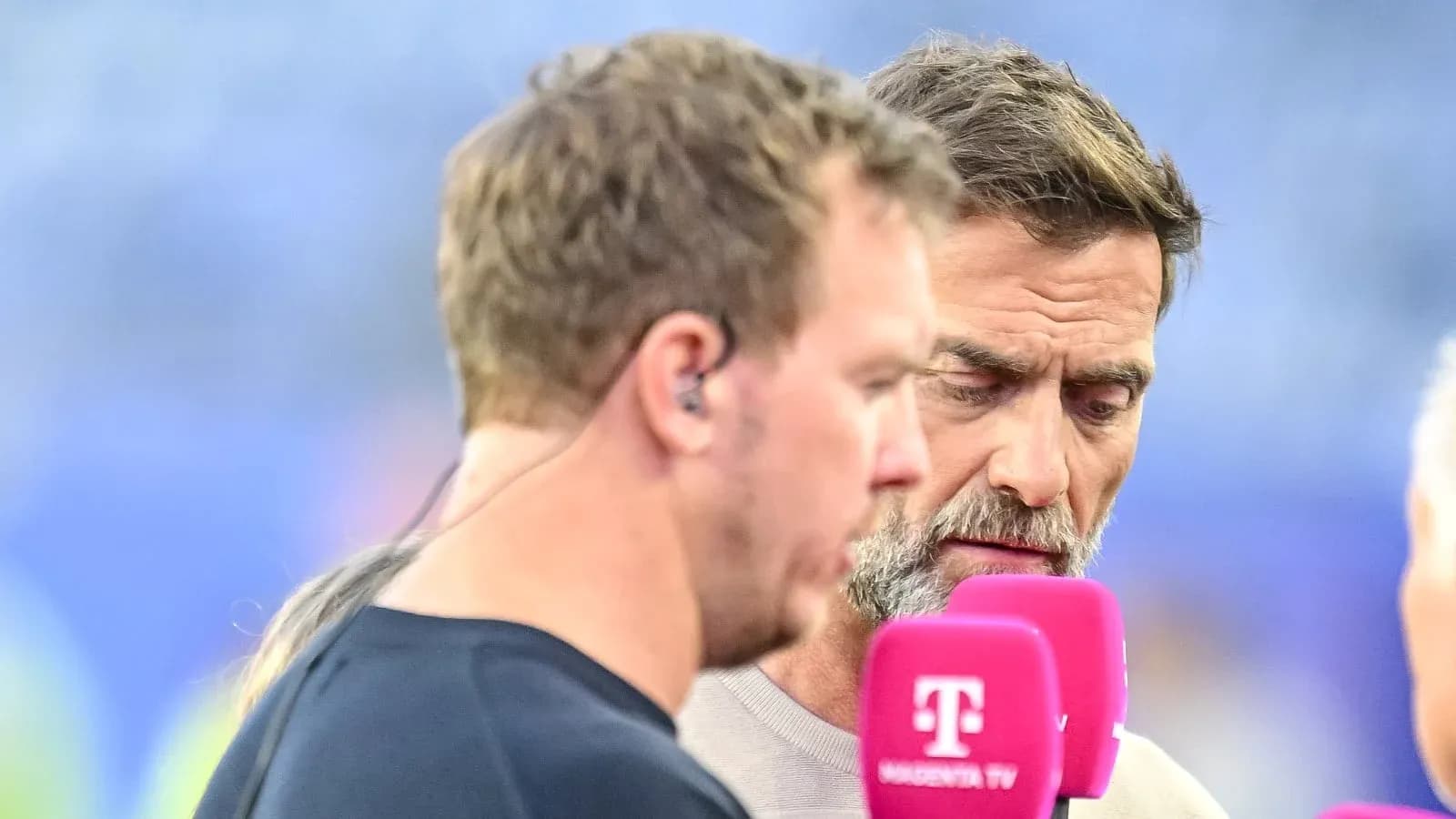
Jurgen Klopp, freshly installed as Red Bull’s head of global soccer and working as a pundit for MagentaTV, watched the drama unfold from the studio rather than the touchline. Within minutes of Germany’s elimination, the inevitable question arrived: what would have to happen for him to consider taking the national job?
He cut it off.
“I haven’t thought about that yet,” Klopp said, in quotes reported by Bild. He has lived this side of the story before, the coach whose “big dream has been shattered”, and there was no appetite to dance on Nagelsmann’s bruises.
“I understand that when people talk about the national coach, my name is mentioned. But it’s not the right moment to talk about it, especially not with me.
“I have a job that I really enjoy. And as far as I know, it’s not a part-time job. The fact is, Germany was eliminated today, and this is not the moment for me to think about Jurgen Klopp’s future.”
Germany’s search for answers, then, will not start with Klopp. Not yet.
Another tournament, same questions
The exit itself carried all the familiar hallmarks of recent German tournament failures: control in phases, chances created, but a lack of ruthlessness and a brutal punishment for fine margins.
Germany had emerged from Group E on top, despite a 2-1 defeat to Ecuador in their final group match. The table suggested stability. The performances hinted at fragility.
Against Paraguay in Boston, they again walked the tightrope. Julio Enciso struck first, punishing them with the kind of precision Germany once owned. Kai Havertz dragged them back into it, levelling to force extra time.
The momentum seemed to turn completely when Jonathan Tah rose to head in what looked like a dramatic extra-time winner. Relief, briefly, washed across German faces.
Then VAR intervened. The goal was ruled out. The reprieve for Paraguay felt like a warning for Germany.
They didn’t heed it.
Penalties and a familiar emptiness
The shootout spiralled into chaos. Havertz, one of Germany’s most reliable technicians, missed. Nick Woltemade followed him in failure. Paraguay, though, could not finish it off. Antonio Sanabria and Fabian Balbuena both squandered match-winning kicks, dragging the contest deep into sudden death.
Even then, Germany could not escape the pattern of the night. Tah, already at the heart of the disallowed extra-time header, sent his effort off target. Jose Canale stepped up and buried his, ending German hopes with a single, ruthless strike.
First World Cup shootout defeat. Another scar for a nation that once seemed immune to this sort of collapse.
Nagelsmann refuses to walk away
As the post-mortem gathered pace, Julian Nagelsmann walked into his press conference knowing exactly what awaited him. The DFB’s decision on his future now hangs over everything, but the coach made one thing clear: he will not resign.
“I’m not one to run away,” he said. “It’s not the first time, but it’s been happening for a while now that we’ve been delivering tournaments like this and yes, there are certainly a few basic things that I don’t want to go into now.
“I’m not one of those people who sits here and says, ‘I’m resigning now, just because we’ve been eliminated’. If the DFB wants me to continue then I’ll continue and if they don’t want me to, then they can tell me that.”
The message was blunt. The responsibility for change, whether that means backing him or moving on, sits with the federation, not the coach.
Havertz left “lost for words”
On the pitch, the pain was raw. Kai Havertz, who has carried so much of Germany’s attacking burden, stood in front of the microphones sounding drained.
“I’m a little lost for words,” the Arsenal forward admitted, in quotes reported on FIFA’s website. “This is my second World Cup and both times it came to nothing.
“All I can do is apologise. I thought we didn’t play bad football at the last few tournaments, but something was always missing. And it was the same today.
“We have to take a hard look at ourselves, especially the players, and I’m leaving the coach out of that.”
No excuses. No deflection. Just another leading player acknowledging that Germany’s issues run deeper than a single night or a single man on the touchline.
Gakpo’s goal through grief
While Germany wrestled with sporting failure, another story cut through the tournament with a very different kind of emotion.
In Guadalupe, Netherlands forward Cody Gakpo scored and then broke.
The Liverpool attacker, playing just days after he and his partner Noa van der Bij announced the loss of their son Elijah during pregnancy, opened the scoring for the Dutch in their last-32 tie against Morocco. Slipped in by Crysencio Summerville, Gakpo pounced on the ball and drove a low finish into the net.
The celebration never came. He sank to the turf, overcome, as team-mates rushed to surround and embrace him.
Only hours earlier, Van der Bij had shared the couple’s devastation on Instagram: “With broken hearts, we share the devastating news that our baby boy passed away during pregnancy. Thank you for your love and support. Elijah Raphael Gakpo, forever loved, forever our son.”
Gakpo’s own message underlined the depth of the moment: “This is an incredibly difficult time for our family. We kindly ask for our privacy and space. Thank you for your understanding.”
His goal looked destined to decide the tie. It almost did.
Issa Diop shattered that script one minute into stoppage time, levelling for Morocco and dragging the game to penalties. Morocco then completed the turnaround, edging a 3-2 shootout win and sending the Dutch out.
For Gakpo, the night will not be remembered for the result. It will be remembered for a single strike, a collapse to the grass, and a reminder that, even in football’s most pressurised arenas, some battles are being fought far from the scoreboard.
Germany, meanwhile, leave this World Cup with their own questions. Klopp has made his stance clear. Nagelsmann has drawn his line. The DFB now must decide what kind of team – and what kind of identity – will carry that famous shirt into the next cycle.