FIFA Increases World Cup Club Payouts to $355 Million
FIFA has opened the tap for clubs ahead of the next World Cup, sharply increasing the money flowing back to the teams that supply the players.
The governing body confirmed its Club Benefits Programme has been lifted to $355 million, a 70 percent jump on the pot distributed for the 2022 World Cup in Qatar. The move had been flagged last September, but the final figures now paint a clear picture: as the World Cup grows, so does FIFA’s willingness to pay out.
The financial backdrop is striking. While FIFA does not publish full revenue numbers for the tournament itself, it projects total income this year to be 56 percent higher than in 2022. Across the four‑year cycle to 2026 – which also includes the expanded Club World Cup in 2025 – FIFA expects to generate 72 percent more than in the previous cycle.
This is not the same World Cup model, either. The tournament is swelling from 36 teams to 48, with the match count rocketing from 64 to 104. The calendar stretches too: 39 days of competition, up from 29. More games, more days, more broadcast windows – and, crucially for clubs, more compensation.
For the first time, clubs will also be paid for releasing players for World Cup qualifying. That shift pulls the often-overlooked grind of qualifiers into the financial spotlight, acknowledging the strain placed on squads long before the finals begin.
Distribution of Funds
The $355m fund is split three ways.
- The largest slice, $250m, is reserved for players at the finals. FIFA has calculated that the minimum payment per player will be $5,000 for every day they spend at the World Cup, though it stresses that the definitive numbers will only be locked in once the tournament is over. The money is calculated on a per-player, per-day basis, and hinges on two factors: whether the player is named in the squad and how long their involvement in the competition lasts.
- Another $100m is set aside for the qualifiers. Here, FIFA has worked out a precise figure: $2,362 for every player included in a match-day squad across the 905 qualifying fixtures, as well as for 10 friendly matches each for the three host nations, who do not need to qualify. Even the hosts’ tune‑up games are now part of the compensation landscape.
- That leaves $5m for administrative costs. Any leftover from that slice, FIFA says, will be “allocated to the benefit of global club football,” a catch‑all pledge aimed at reinforcing the idea that the money will circle back into the wider game rather than disappear into bureaucracy.
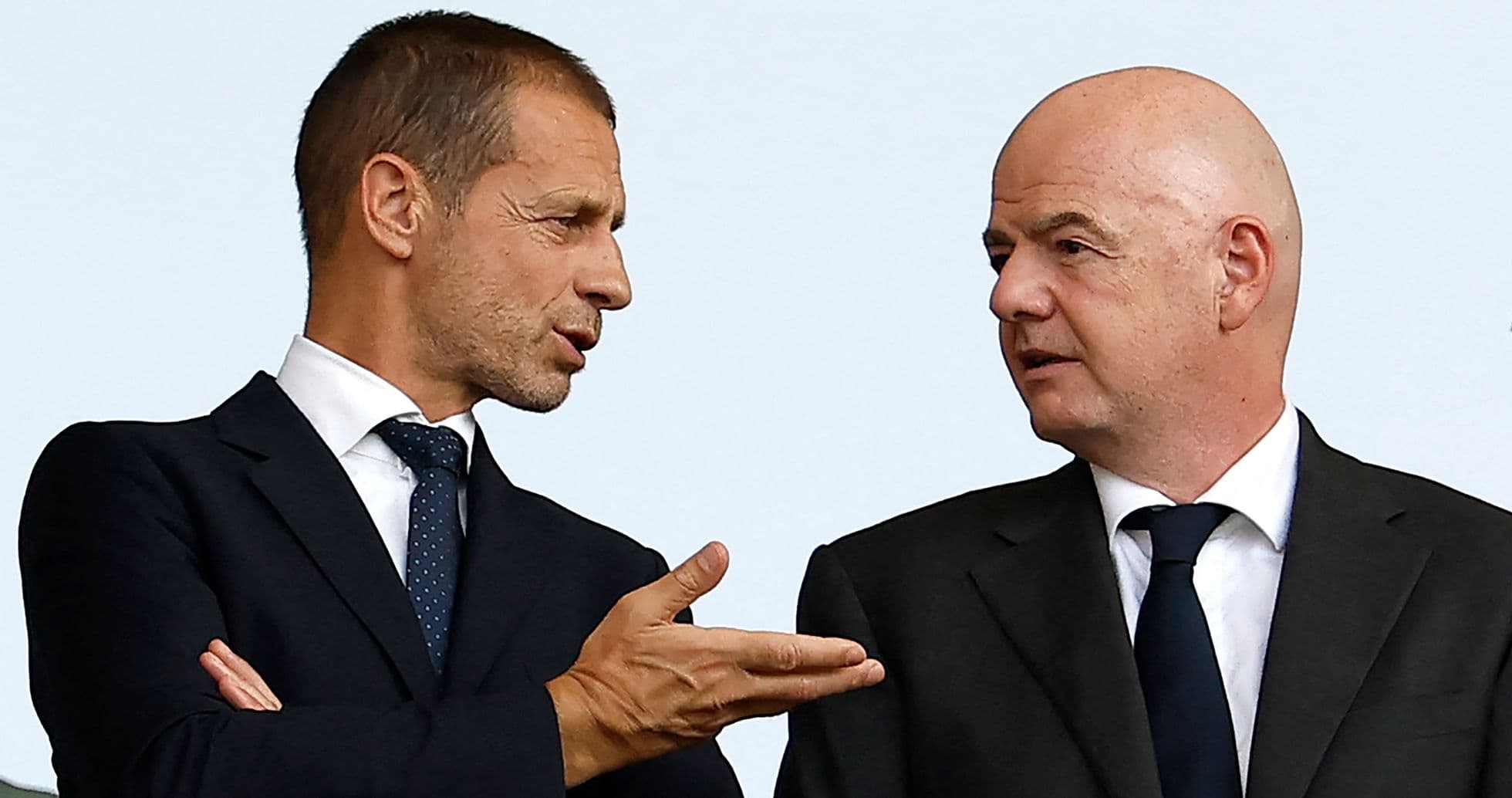
Gianni Infantino framed the move as a direct dividend of the supersized World Cup. The FIFA president called it “another benefit from the expanded FIFA World Cup – providing more support across the entire football ecosystem to the clubs that provide all the players who compete to shine on the global stage.” The message is clear: as FIFA cashes in on a bigger show, clubs are being invited to share a larger piece of the pie.
The mechanics of who gets what are tied to registration. Payments are based on a player’s club at the time squads are officially announced. Yet football rarely stands still, and FIFA has built in provisions for those who switch clubs during the tournament, as well as for replacement players drafted in mid‑competition.
The World Cup is getting longer, richer and more demanding. Now the clubs that power it have a sharper financial stake in every minute their players spend under its lights.