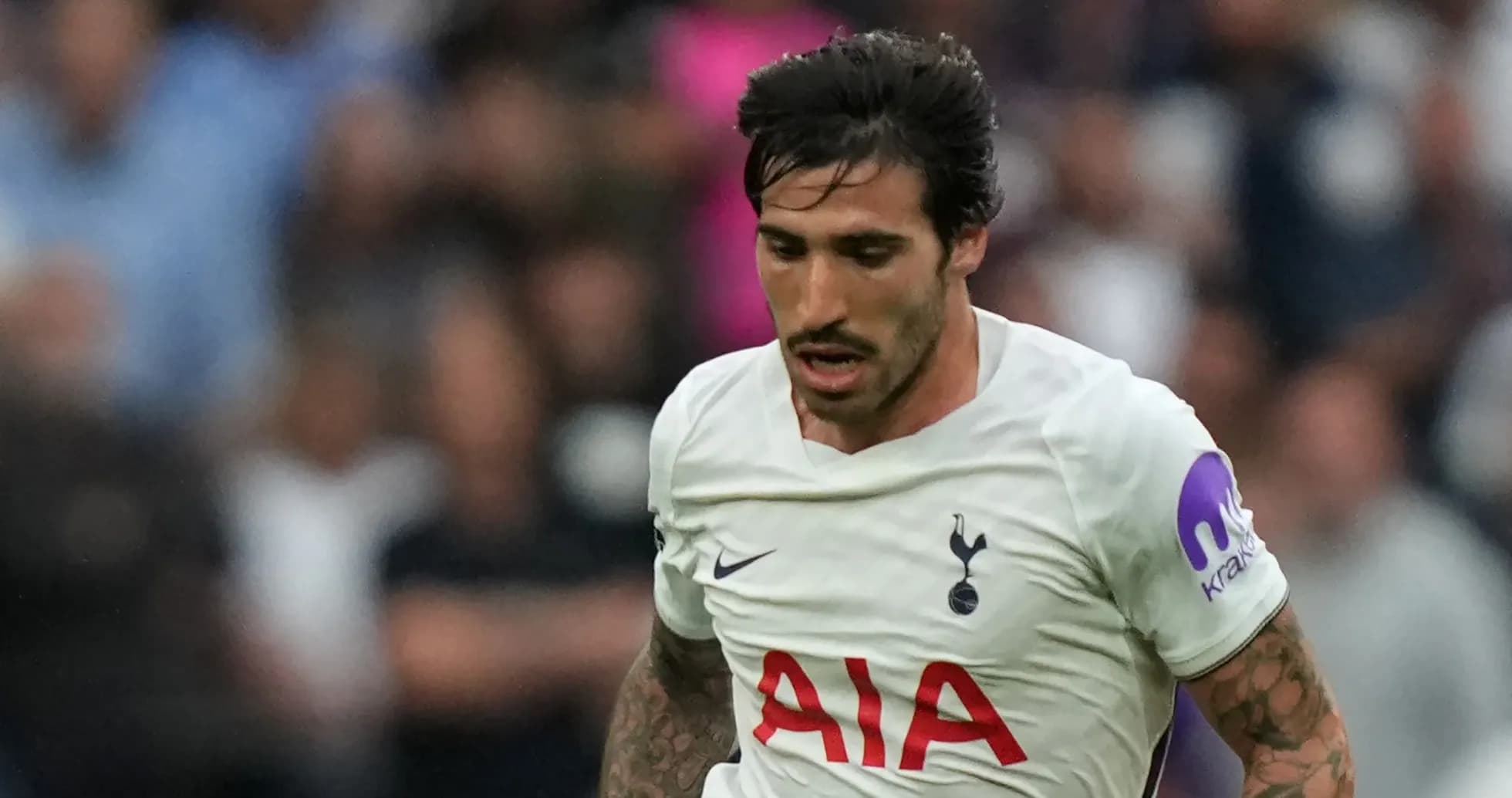
De Zerbi Defends Tonali Amid Spurs' Struggles
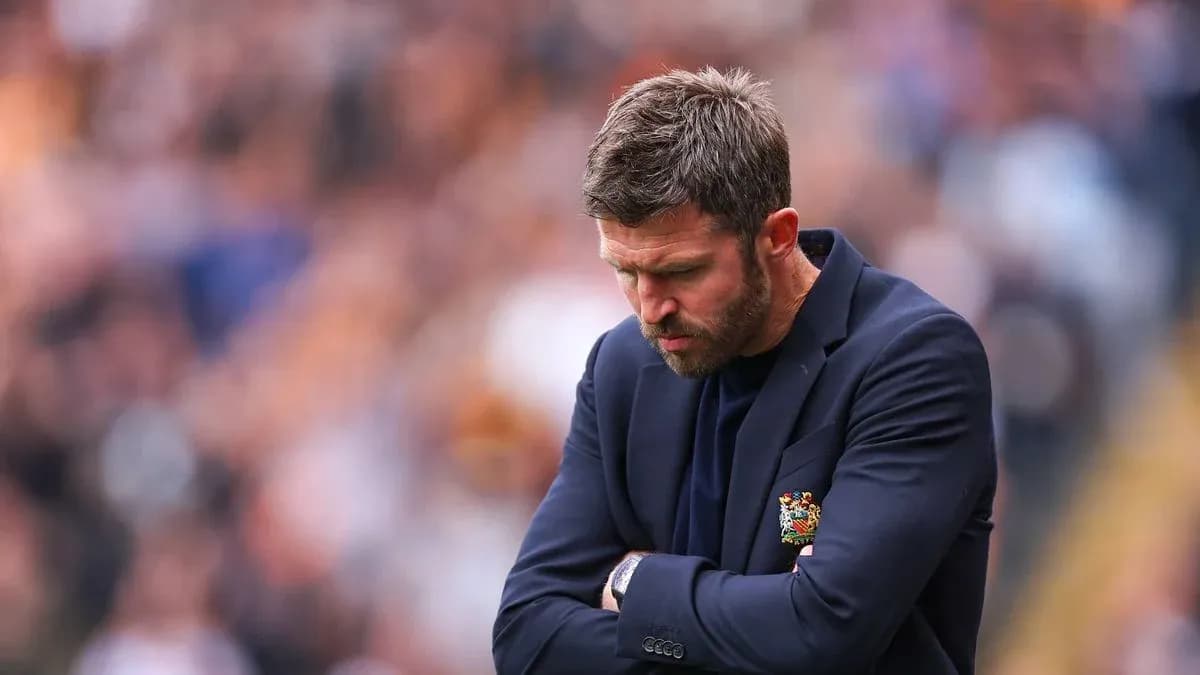
Roberto De Zerbi is not looking for a scapegoat, and he’s certainly not pinning this on Sandro Tonali.
Tottenham’s new £100m midfielder endured another bruising afternoon in the 2-0 defeat to Newcastle, a performance that drew cheers from the away end when his number went up on 75 minutes. The noise told its own story. De Zerbi’s response did too.
“I love Sandro Tonali,” the Spurs head coach said afterwards, emotion clearly close to the surface. He spoke of a club being built collectively – executives Vinai Venkatesham and Johan Lange, the owners, the staff, the squad – and of players treated like “our children”. This, he insisted, was a day for protection, not blame.
Tonali had been rested in midweek for the cup win over Charlton, the club desperate to sharpen his fitness after a stuttering start in North London. It didn’t show. He looked short of rhythm, laboured at times, and was partly at fault for Anthony Elanga’s opener as Newcastle seized control and Spurs unravelled.
The Italian’s condition remains a nagging question. He featured in pre-season against Chelsea, Getafe and Hoffenheim, yet still looks some way off the tempo De Zerbi demands. The head coach did not hide from that reality, but he refused to waver on Tonali’s importance.
“Sandro Tonali is another crucial player. He is not in the right condition, in the best condition yet, maybe physically,” De Zerbi said, grouping him with other late arrivals who are still finding their feet. Omar Marmoush, Micky van de Ven and Pedro Porro all came back into the fold after the World Cup and injury issues, and were thrown straight into a side still learning its patterns.
“I think Omar Marmoush for the first game played very well,” De Zerbi noted. “It was the first game for Micky van de Ven and Pedro Porro, they came late and they are crucial for this team, after the World Cup, after two injuries.” The message was clear: this is a jigsaw still missing a few fitted pieces.
Yet Tonali’s struggles are only one strand of a deeper problem. The moment Elanga struck, a familiar weakness resurfaced. Tottenham, under De Zerbi and before him, simply do not cope well when they fall behind.
They have now lost every match in which they’ve conceded first under the Italian. To find the last time Spurs shipped the opening goal in a Premier League game and still came back to win, you have to rewind almost two years, to November 2024. That is no quirk of the numbers. It is a psychological fault line.
“After the goal we conceded, I think we lost the confidence. The reaction was not good enough,” De Zerbi admitted. “Not the reaction I want to see on the pitch and I said immediately after the end of the game, to the players, because when you are building something new, it’s tough, there are problems.”
The fragility was obvious as soon as Newcastle went ahead. Passes grew safer, movement slowed, belief drained out of the stadium. Spurs did not collapse in a blaze; they sagged, and Newcastle quietly tightened the screw.
Two defeats from two to start the Premier League campaign have already turned up the heat on De Zerbi. The club sanctioned a huge summer outlay, headlined by Tonali’s nine-figure arrival, and the expectation was that the football would shift quickly, the results even quicker. Instead, the project is creaking in its opening weeks, and the price tags only amplify the scrutiny.
De Zerbi, though, pushed back against the idea that money alone should fast-track a winning culture. “You can’t buy winning mentality in the transfer market,” he said, underlining the intangible edge he feels this dressing room still lacks.
He framed this period as a cultural reset rather than a shopping spree: a family environment where players need shielding while the foundations are laid. That stance is being tested by a fanbase watching a £100m midfielder struggle for rhythm and a team that wilts when punched first.
The question now is not whether Tonali is talented enough. It’s whether De Zerbi can harden a soft-centred Spurs side quickly enough for that talent – and that investment – to actually matter.