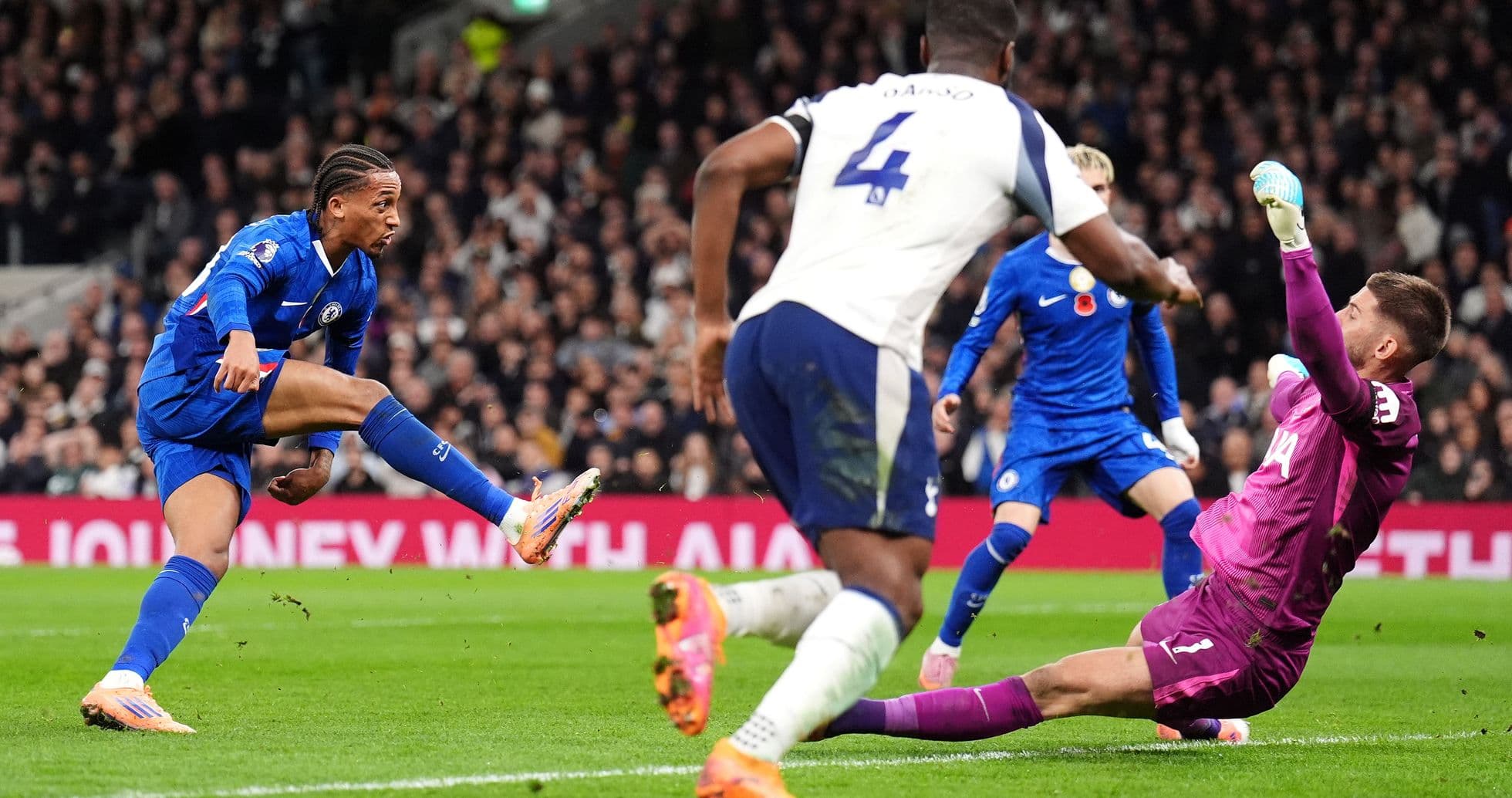
Chelsea vs Tottenham: Premier League London Derby Preview
Stamford Bridge hosts another fierce London derby as Chelsea welcome Tottenham in the Premier League on 19 May 2026. With the regular season reaching round 37, the stakes are very different but equally sharp for both clubs: Chelsea are chasing a top-half finish from 10th place, while 17th‑placed Tottenham are still looking nervously over their shoulders near the relegation zone.
Chelsea sit 10th in the league with 49 points from 36 games and a goal difference of +6 (55 scored, 49 conceded). Their overall form in the league reads “DLLLL”, underlining a slide at the worst possible time. Tottenham, by contrast, are 17th with 38 points and a -9 goal difference (46 for, 55 against), but arrive with a slightly more positive “DWWDL” form line that has kept them just ahead of danger.
Tactical Landscape
Across all phases this season, Chelsea have been built around a flexible but largely stable structure. Their most-used shape is a 4‑2‑3‑1 (31 league matches), with occasional switches to 4‑3‑3, 4‑1‑4‑1 and even 5‑4‑1. That primary setup points to a double pivot protecting the back four, a central creator behind the striker, and wide forwards asked to press and attack aggressively.
Chelsea’s numbers support that approach: 55 goals in 36 league matches (1.5 per game) and 49 conceded (1.4 per game). At Stamford Bridge they have 24 goals for and 24 against across 18 games, averaging 1.3 scored and 1.3 conceded. They have kept 5 home clean sheets but also failed to score 4 times, underlining their streaky nature in front of goal.
Tottenham, meanwhile, have been more tactically fluid – or unsettled, depending on the reading. They have used 4‑2‑3‑1 in 17 matches and 4‑3‑3 in 9, but have also dipped into 3‑4‑2‑1, 4‑4‑2, 4‑2‑2‑2 and 3‑5‑2. That variety suggests a side still searching for the right balance between protecting a vulnerable defence and giving their attack enough support.
Across all phases, Spurs have scored 46 and conceded 55 (1.3 scored, 1.5 conceded per game). The contrast between home and away is stark: at home they have just 2 wins from 18, but away they have 7 wins, 5 draws and 6 defeats with a 25‑24 goal record. Their away average of 1.4 goals scored and 1.3 conceded points to a side more comfortable playing on the counter and exploiting space rather than breaking down deep blocks.
Key Players and Attacking Threats
Chelsea’s primary attacking reference is João Pedro. The Brazilian has 15 league goals and 5 assists from 34 appearances, with 50 shots (28 on target). Operating as an attacker in this system, he offers both penalty‑box presence and link play: 677 passes with 29 key passes and a 76% accuracy rate, plus 71 dribble attempts with 37 successful. His ability to draw fouls (54 won) and engage in duels (386 total, 187 won) makes him central to Chelsea’s pressing and transition game.
Interestingly, despite Chelsea’s team penalty record showing 7 scored from 7, João Pedro has not scored from the spot this season (0 scored, 0 missed), so his threat comes from open play and movement rather than set‑piece reliability.
For Tottenham, Richarlison carries much of the attacking burden. With 10 goals and 4 assists in 30 league appearances, he is the visitors’ standout scorer. He has taken 42 shots (24 on target) and created 18 key passes from 293 total passes. His physical edge is reflected in 297 duels (124 won) and 30 fouls drawn, making him a focal point for long balls, crosses and quick breaks. Like João Pedro, his penalty numbers are 0 scored and 0 missed, so Spurs’ threat is similarly rooted in open play.
Defensive Profiles and Discipline
Chelsea’s defensive record at home – 24 conceded in 18 – is respectable but not watertight. They have 9 clean sheets overall, split 5 at home and 4 away. Their card profile shows a tendency to pick up yellows in the final half‑hour (61–75 and 76–90 minute ranges account for a large share) and a spread of red cards across the match, with notable spikes between 61–75 minutes. In a high‑emotion derby, that late‑game discipline could be a concern.
Tottenham’s defence has been more fragile, especially at home, but away they have conceded 24 in 18 (1.3 per game) and kept 6 clean sheets. That away resilience suggests they can sit deeper and absorb pressure more effectively on their travels. Their yellow cards are heavily concentrated between 31–45 and 61–75 minutes, and they have seen red in the 16–30, 31–45 and 91–105 ranges. Managing emotions against a home side that draws plenty of fouls will be critical.
Form and Psychological Edge
In the league, Chelsea’s overall form string across the season is long and erratic, but the recent “DLLLL” snapshot in the table is alarming: just 2 points from the last 5 matches. Their biggest winning margins – 3‑0 at home and 1‑5 away – show what they can do when things click, but the biggest losing margins (0‑3 at home, 3‑0 away) underline their volatility.
Tottenham’s season‑long form line is also patchy, yet the recent “DWWDL” suggests a side that has at least stabilised. Their best away result is a 0‑3 win, and they have shown they can shut teams out on the road, with those 6 away clean sheets a key foundation for survival hopes.
Head-to-Head: Chelsea Dominance
The last five competitive meetings, all in the Premier League, are heavily tilted Chelsea’s way:
- 1 November 2025, Tottenham Hotspur Stadium: Tottenham 0-1 Chelsea – Chelsea win.
- 3 April 2025, Stamford Bridge: Chelsea 1-0 Tottenham – Chelsea win.
- 8 December 2024, Tottenham Hotspur Stadium: Tottenham 3-4 Chelsea – Chelsea win.
- 2 May 2024, Stamford Bridge: Chelsea 2-0 Tottenham – Chelsea win.
- 6 November 2023, Tottenham Hotspur Stadium: Tottenham 1-4 Chelsea – Chelsea win.
Across these five, Chelsea have 5 wins, Tottenham have 0, and there have been 0 draws. Chelsea have consistently found a way to edge tight games at Stamford Bridge (1-0, 2-0) and score freely away, which will weigh on Tottenham’s mindset.
Tactical Match‑Up
Given Chelsea’s preference for 4‑2‑3‑1 and their home numbers, they are likely to dominate possession and territory, using João Pedro as the spearhead with support from advanced midfielders and wingers. The double pivot will be tasked with controlling transitions and preventing Tottenham from springing Richarlison into space.
Tottenham’s away profile and formation history suggest a pragmatic approach: a 4‑2‑3‑1 or 4‑3‑3 that can drop into a compact mid‑block, with quick outlets to Richarlison and the wide players. Their success will hinge on staying compact between the lines, winning duels in midfield, and exploiting any Chelsea sloppiness in build‑up.
Set‑pieces could also be decisive. Chelsea’s physical forwards and centre‑backs, combined with Tottenham’s occasional lapses and card record, make dead‑ball situations a potential route to goal for the hosts.
The Verdict
On paper, Chelsea have the stronger squad, the more potent attack, and a formidable recent head‑to‑head record against Tottenham. Their home form is inconsistent, but their goal output and João Pedro’s influence give them a clear route to victory if they manage the game with composure.
Tottenham’s away resilience and recent “DWWDL” run mean they cannot be written off. Their 7 away wins and 6 away clean sheets show they are capable of producing disciplined, effective performances on the road, particularly when allowed to counter.
However, the psychological weight of five straight league defeats to Chelsea, combined with the pressure of their league position, tilts the balance towards the hosts. Expect Tottenham to be competitive and dangerous on the break, but Chelsea’s attacking quality and historical edge at Stamford Bridge make them slight favourites to take all three points in this derby.