Brazil vs Norway: World Cup Knockout Clash
The clock keeps ticking on Brazil’s 24-year wait. On 5 July 2026, at 16:00 EST and 21:00 GMT, the five-time world champions walk into a knockout tie with Norway knowing the margin for error is shrinking by the minute.
Carlo Ancelotti has steadied the Selecao, but he has not made them dull. Far from it. Brazil’s group stage was a cocktail of control, chaos and late drama: a 1-1 opening draw with Morocco, back-to-back 3-0 wins over Haiti and Scotland, and then that wild, nervy escape against Japan.
They were vulnerable against Japan. Shaken, even. Yet they found a way. Deep into stoppage time, with penalties looming in everyone’s nightmares, Gabriel Martinelli arrived with the sort of moment that bends tournaments. His 95th-minute strike not only sealed a 2-1 win and a place in the Round of 16, it went into the record books as the latest normal-time goal in World Cup knockout history.
Brazil’s World Cup story rarely runs in straight lines. This one is no different.
Ancelotti’s Blend of Steel and Stardust
Under Ancelotti, Brazil lean on a veteran spine and trust the genius up front to tilt games. The back line and midfield are loaded with know-how: Alisson behind Danilo, Marquinhos and Gabriel; Casemiro and Bruno Guimarães patrolling the centre.
Bruno has quietly become the tournament’s creative metronome. Four assists already, more than anyone else at this World Cup. Only Pelé has ever produced more for Brazil in a single edition. That is the company he is keeping.
Ahead of them, the plan is simple: give the ball to Vinicius Junior and let chaos unfold. Vini Jr scored in all three group games, slicing through defences with the same swagger he shows in Madrid white. He is the talisman now, the man carrying the weight that once sat on the shoulders of Ronaldo, Ronaldinho, Neymar.
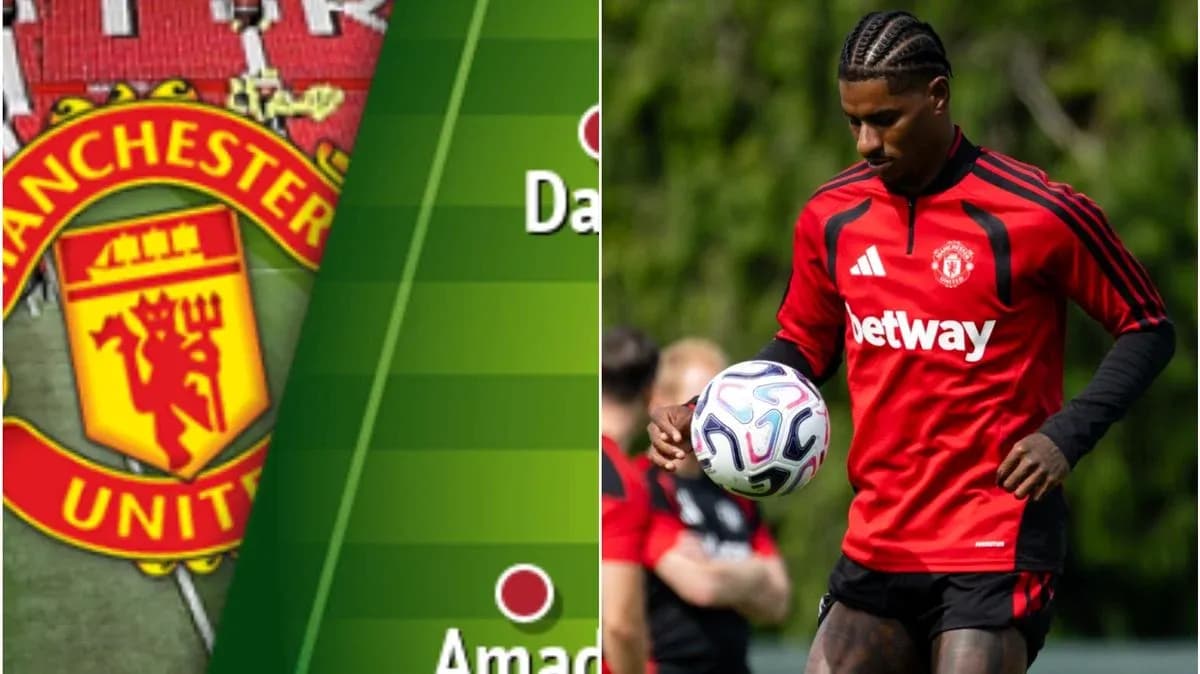
The likely XI reflects that balance:
- Alisson;
- Danilo, Marquinhos, Gabriel, Santos;
- Bruno Guimarães, Casemiro, Endrick;
- Rayan, Matheus Cunha, Vini Jr.
There is, though, a cloud hanging over the midfield. Lucas Paqueta, so often the link between structure and improvisation, picked up an injury against Japan. The early word is grim: he could miss the rest of the tournament. Ancelotti must rewire his attack on the fly.
The obvious beneficiary is Endrick. The 19-year-old Real Madrid prodigy started the tournament on the fringes, with a half-hour cameo against Haiti and late minutes against Scotland. Then came Japan. Ancelotti threw him on for the entire second half, a bold signal of trust when Brazil were chasing the game. The teenager’s movement and fearlessness changed the tone.
He might now be more than an impact substitute. He might be the solution.
On the flanks, Bournemouth’s 19-year-old Rayan has surged into contention. Quick, direct, and unafraid to take responsibility, he looks set to start wide, with Cunha offering graft and link play through the middle and Vini Jr roaming into the spaces he loves.
There is also the Neymar question.
Neymar on the Periphery
Neymar is 34 now, back at Santos, and still a lightning rod. His inclusion in the squad stirred debate in Brazil, and his body has done little to quiet it. Fitness concerns followed him into the tournament and have dictated his role: 14 minutes against Scotland, nothing at all versus Japan.
In another era, a knockout tie without Neymar on the pitch would have been unthinkable. Now, it is a tactical option. Ancelotti is not sentimental. If the legs are not there, the name on the back of the shirt will not save you.
Yet there is a twist. In a tight knockout game, when the ball starts to burn and the clock feels cruel, few players alive can conjure a decisive touch like Neymar. Even a 15-minute cameo could be the difference between another chapter in the drought and a step closer to redemption.
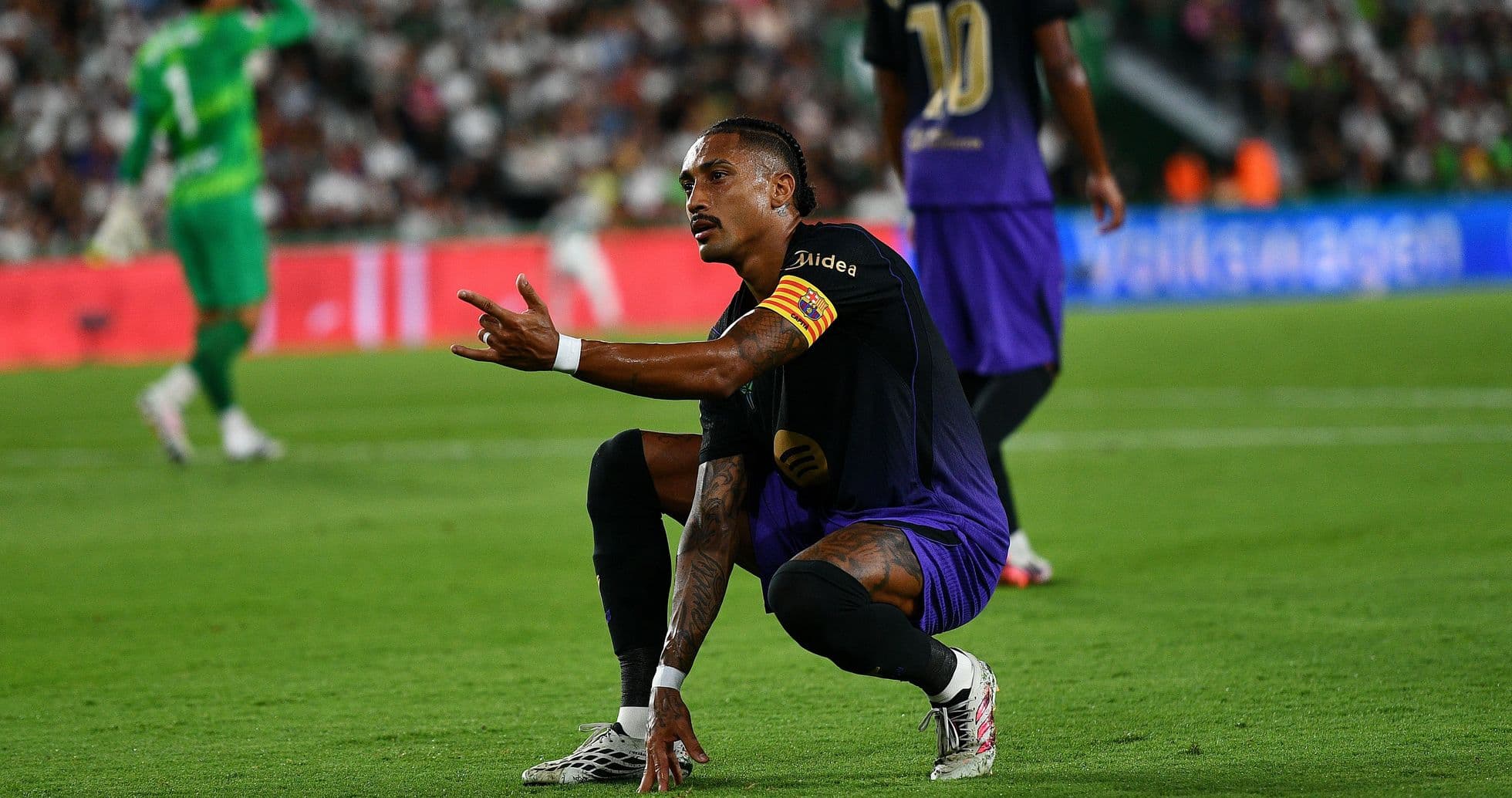
Ancelotti at least has one positive update: Raphinha is back in training. The Barcelona winger hands Brazil an extra wide option, vital if the coach wants to stretch Norway’s back line and open lanes for Vini Jr and Endrick.
Norway’s Wild Ride
Norway have turned this World Cup into a travelling festival. Their fans have been loud, relentless, and utterly convinced their team belongs on this stage. On the pitch, the numbers back them up: four matches, 18 goals. No one leaves a Norway game bored.
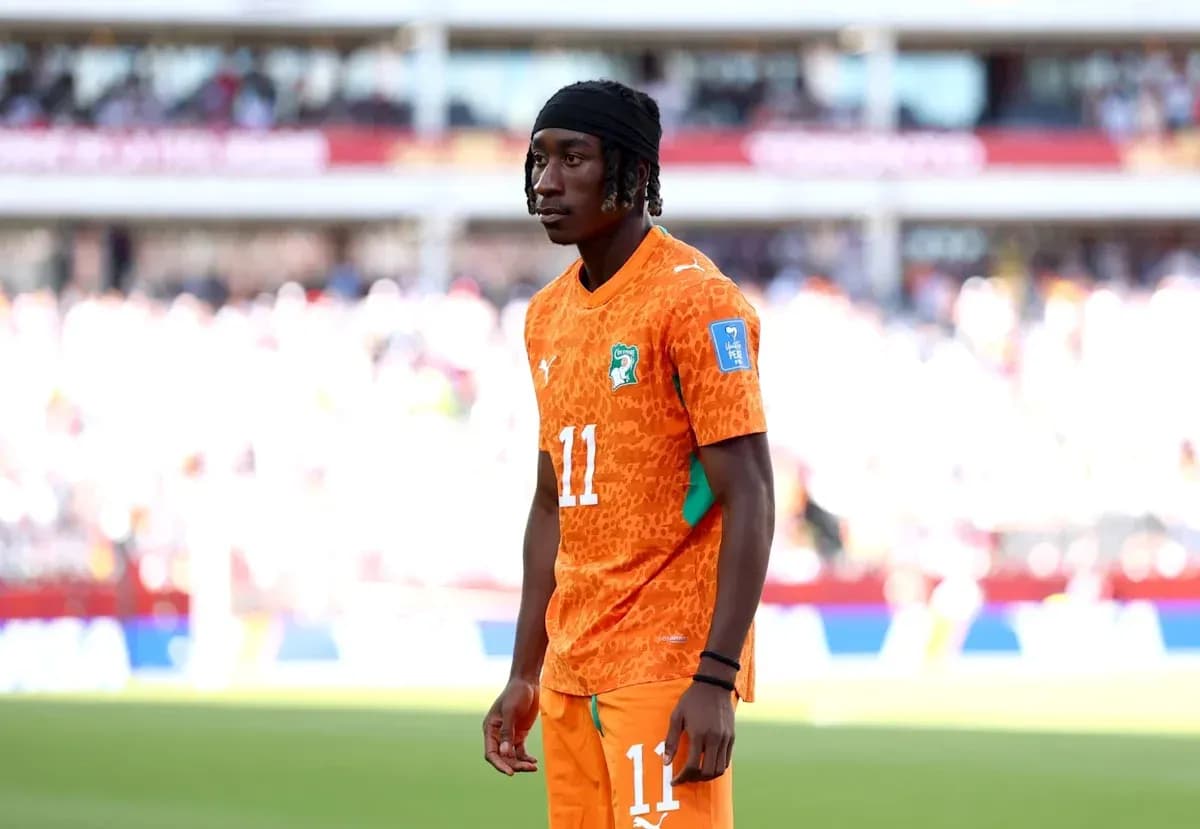
Ståle Solbakken has built a side that embraces risk. He rotated heavily in a 4-1 defeat to France, keeping key players fresh for the real battles. The gamble paid off. Those stars returned to edge Ivory Coast 2-1 in the Round of 32, a landmark win: Norway’s first-ever World Cup knockout victory.
Antonio Nusa lit that tie up with a stunning curled effort, the sort of strike that announces a young talent to the world. Then, when nerves frayed and legs tired, Erling Haaland arrived with the 86th-minute winner, a familiar script for anyone who has watched him in England.
Their likely XI is stacked with intent:
- Nyland;
- Pedersen, Ajer, Heggem, Møller Wolfe;
- Ødegaard, Berge, Berg;
- Sørloth, Haaland, Nusa.
Norway finished as runners-up in Group I, but they have not played like outsiders. They have played like a team that expects to score against anyone.
Haaland, Ødegaard and the Numbers That Don’t Look Real
Erling Haaland’s World Cup has followed the pattern of his club career: goals, goals, and more goals. He arrives at this tie with five already in the tournament and no sign of easing off.
His broader numbers almost defy belief. For Manchester City, 112 Premier League goals in 132 appearances, in a league that chews up strikers and spits them out. For Norway, 60 goals in 53 caps. More goals than games. It is the sort of ratio you associate with video games, not international football.
Feeding him is Martin Ødegaard, the brain of this Norway side. The Arsenal playmaker has assisted in three consecutive World Cup matches, the first player to do that since Dirk Kuyt in 2010. His left foot dictates tempo, his vision unlocks doors that most players do not even see.
With Nusa’s flair on one flank and Alexander Sørloth’s physical presence on the other side of the front line, Norway can hurt you in multiple ways. They can cross, combine, counter. They can go long to Haaland or slice through with Ødegaard.
Solbakken has not confirmed his XI, but he does not need to overcomplicate it. His formula is clear: give Haaland chances. History says he will take them.
Gabriel vs Haaland: Premier League Rivalry, World Stage
This tie also drags a familiar duel onto the biggest stage. If there is one defender who never shrinks from Haaland, it is Gabriel Magalhães.
Arsenal’s Brazilian centre-back has gone toe-to-toe with the Manchester City striker in some of the Premier League’s most intense recent title battles. They have wrestled, argued, sprinted and slid into tackles that felt like season-defining moments. It is a rivalry built on aggression and respect.
Now they meet in a World Cup knockout match.
Gabriel knows Haaland’s movements, his triggers, the moments when he peels off a shoulder or explodes into a channel. Haaland, in turn, understands Gabriel’s willingness to engage, to step in, to fight every ball as if it is the last.
This is not just a tactical contest. It is personal. It will be brutal, compelling, and impossible to ignore.
Thin History, Heavy Stakes
The historical head-to-head offers almost nothing: one friendly, a 1-1 draw in Norway back in August 2006. Different era, different squads, different stakes. That result has no real bearing on what happens now.
What matters is form and belief.
Brazil topped Group C. They have already done something they had not managed since 2002: come from behind to win a World Cup knockout match, that 2-1 turnaround against Japan. For a nation haunted by recent collapses on the biggest stage, that matters. It proves they can suffer and still find a way.
Norway, for their part, have already broken new ground with their first knockout win. The pressure that once weighed on them has turned into freedom. They arrive as underdogs, but underdogs with one of the most feared strikers on the planet and a playmaker in Ødegaard who can dictate any game.
Solbakken’s squad is free of officially listed injuries or suspensions. Ancelotti, by contrast, must juggle Paqueta’s likely absence and manage Neymar’s fitness with ruthless clarity. He knows this might be his last shot at delivering Brazil a sixth star.
So the stage is set.
A five-time champion trying to end a 24-year drought. A rising European nation riding a wave of goals and belief. Vini Jr against Nusa. Ødegaard threading passes through the lines. Haaland and Gabriel renewing hostilities under an even harsher spotlight.
One side will leave with a statement win. The other will leave with questions that may linger for a generation.