Belgium vs Egypt: World Cup 2026 Opening Clash
The lights of Lumen Field in Seattle will burn with World Cup anticipation on 15 June 2026 as Belgium and Egypt step out for their opening Group G clash, a meeting that could shape the path of the group from the very first whistle. With both sides officially listed as “Advancing to the Round of 32” before a ball has been kicked, this night is about staking an early claim: for Belgium, confirming their status as group leaders on paper; for Egypt, proving they are more than just dangerous outsiders on a global stage.
Season Context
Belgium arrive at the World Cup as the top-ranked side in Group G, sitting first in the table with 0 points from 0 matches, 0 goals scored and 0 conceded. The slate is completely clean — no wins, no draws, no defeats — but the description of “Advancing to the Round of 32” underlines the expectation that Belgium should progress if they match their reputation with performances on the pitch.
Egypt start just behind them in second place in Group G, also on 0 points from 0 games, with 0 goals scored and 0 conceded. Like Belgium, Egypt’s record is a blank canvas, yet they share the same official status of “Advancing to the Round of 32”, suggesting a group framed around two main powers. For Egypt, this opener is a chance to show they belong in that conversation from the outset.
Form & Momentum
There is no recent form string recorded for Belgium, leaving their momentum officially undefined (form: null). With 0 matches played, 0 goals scored and 0 conceded, there are no statistical trends to lean on, only the weight of expectation and the quality implied by their ranking at the top of Group G (rank 1 with 0 points).
Egypt are in a similar statistical vacuum, with no form string available (form: null) and 0 games played, 0 goals for and 0 against. Their momentum is therefore an unknown on paper, but their placement as rank 2 in Group G with the same “Advancing to the Round of 32” description hints at a side expected to compete, even if the numbers have not yet started to tell the story.
Head-to-Head Patterns
The historical meetings between Belgium and Egypt in recent years have come in friendly settings rather than tournament pressure, and those matches are excluded here because they fall under “Friendlies” rather than competitive fixtures. With no non-friendly head-to-head data provided, there is no verified competitive scoreline, date and competition combination to cite, and thus no formal pattern to lean on for this World Cup clash.
Tactical Preview
With no World Cup fixtures played yet and no formations recorded in the team statistics for either side, tactical expectations must be grounded in the squads rather than established patterns. Belgium’s list is stacked with experience and technical quality across the spine, even if the data does not yet show a preferred system (lineups array is empty and fixtures played total 0). The presence of T. Courtois as a 33-year-old goalkeeper offers a commanding last line, while defenders such as T. Castagne, A. Theate and T. Meunier give Belgium options for both a back four or a flexible wing-back system, even though no formation usage is logged (lineups: []).
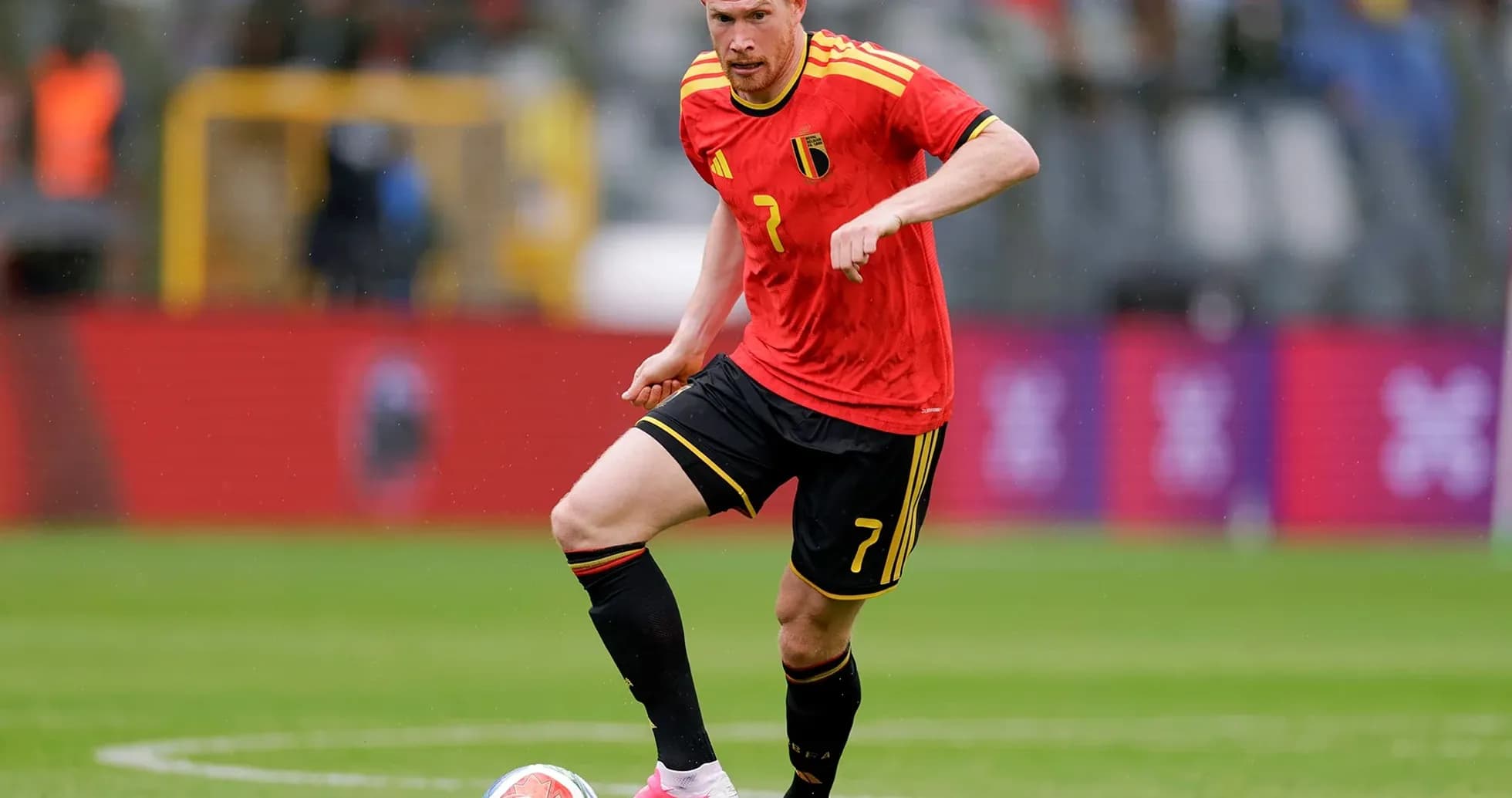
In midfield, Belgium can build around K. De Bruyne and Y. Tielemans, supported by A. Witsel and H. Vanaken, suggesting a blend of control and creativity even if no possession or pressing metrics are yet available (goalsFor total 0, goalsAgainst total 0). Wide and attacking roles can be filled by J. Doku, L. Trossard, A. Saelemaekers and C. De Ketelaere, while R. Lukaku leads a deep group of attackers, giving Belgium multiple ways to structure their front line despite the absence of recorded goals or shots (goalsFor total 0 in team statistics).
Egypt’s squad points toward a compact, defensively solid approach, again without any recorded formations or match data in the World Cup context (fixtures played total 0, lineups: []). At the back, options like Mohamed Abdelmonem, Ahmed Fatouh, Mohamed Hany and Yasser Ibrahim suggest a back line built on familiarity and physical presence, even if there are no goals conceded yet to measure their resilience (goalsAgainst total 0).
In midfield, Egypt can call on Emam Ashour, Marwan Attia, Nabil Emad Dunga and Mohanad Lasheen, a group that hints at industry and balance rather than pure flair, though no passing or chance-creation statistics are available (goalsFor total 0, goalsAgainst total 0). The attacking unit is headlined by Mohamed Salah, supported by Omar Marmoush, Ibrahim Adel and Ahmed Zizo, giving Egypt the capacity to threaten on transitions and in wide areas despite the lack of recorded attacking metrics so far (att 0% and def 0% in lastFive and comparison).
The prediction model leans towards Belgium, rating them at 58.5% in the overall comparison against 41.5% for Egypt, even though both teams show 0% for form, attack and defence in the last-five indices. That tilt, combined with Belgium’s deeper pool of high-level experience, suggests a match in which Belgium are expected to control territory and possession, while Egypt look to stay compact and spring forward through their front line.
Statistical Snapshot
- Competition: World Cup, season 2026 — 15 June 2026.
- Venue: Lumen Field, Seattle.
- Prediction: Win or draw — Double chance : Belgium or draw.
- Win Probabilities: Home 45% / Draw 45% / Away 10%.
- Model: Belgium 58.5% — Egypt 41.5%.
Betting Verdict
The prediction model clearly favours Belgium avoiding defeat, with a “Win or draw” tag and a double-chance recommendation towards Belgium or draw, supported by a 45% home win probability and 45% draw against just 10% for an Egypt victory. The bookmakers broadly agree, with home-win odds clustered roughly around 1.57–1.64, draws around 3.75–4.09 and Egypt wins around 5.00–6.10. With no recent World Cup form data or competitive head-to-head results to contradict the model, the safer angle is to follow the double-chance advice in Belgium’s favour, acknowledging that Egypt’s attacking talent gives them a puncher’s chance but not enough statistical backing to justify a primary upset call.