
World Cup Visa Controversy Highlights Security and Sports Tensions
The World Cup was supposed to offer a rare pause in the rancour between politics and sport. Instead, the build-up on American soil is already mired in a diplomatic and security storm.
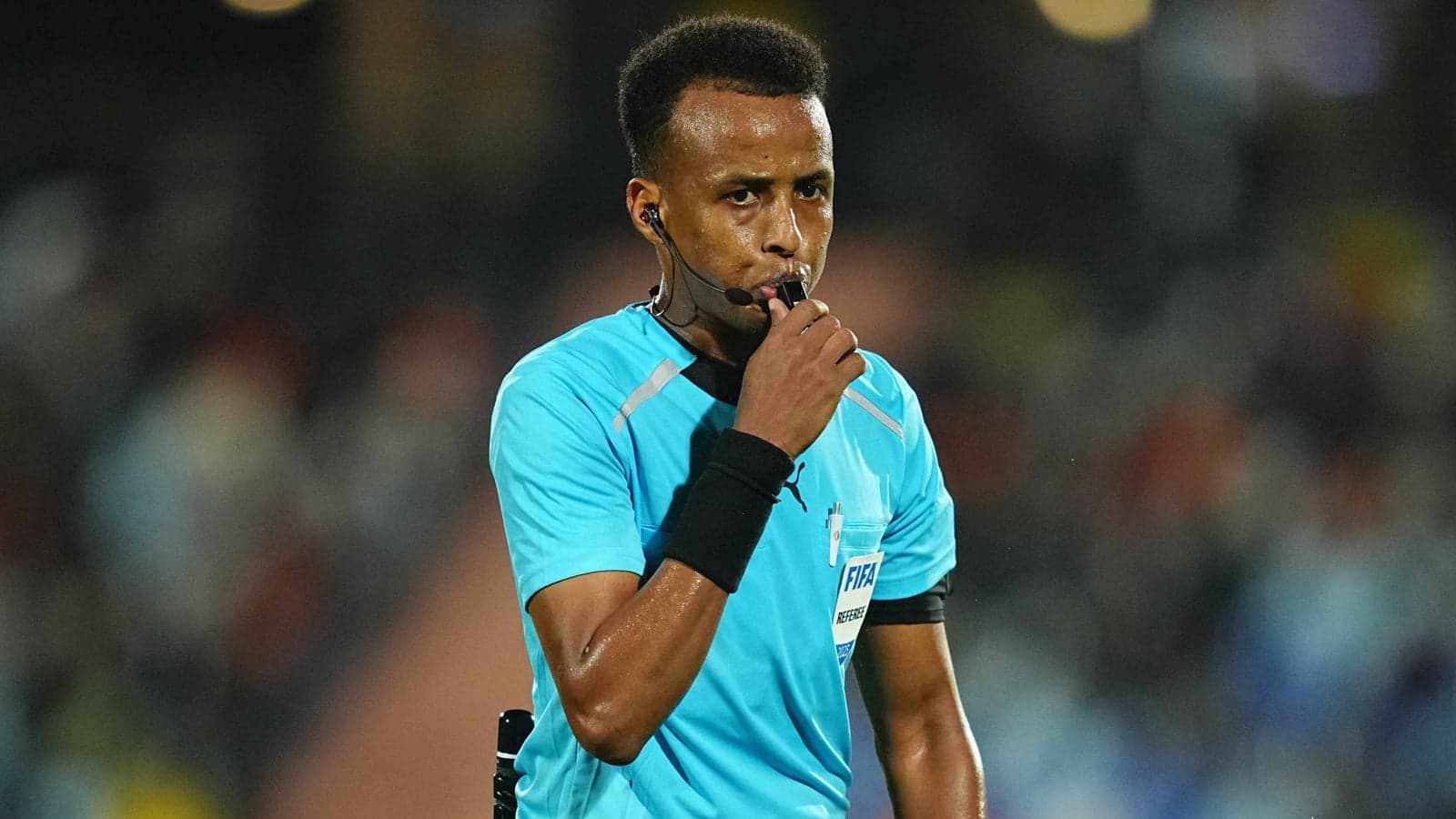
The White House Task Force for the World Cup has moved to defend a controversial decision: denying entry to Somali referee Omar Artan and several members of Iran’s support staff, even as 35 competing teams have already arrived in the United States.
Andrew Giuliani, executive director of the task force and son of former New York mayor Rudy Giuliani, insisted the policy is clear and uncompromising.
“No players, no coaches have been denied,” he said at an event hosted by the Atlantic Council in Washington. “There have been some officials that have been denied, and for good reason.”
The “good reason,” according to a US State Department official, is stark. The Somali referee was described as “associated with suspected members of terrorist organisations,” a designation that, in the eyes of US authorities, makes him “ineligible for admission to the United States”.
Artan’s case cuts deep. In 2025, the Confederation of African Football named him men’s referee of the year. His selection for this World Cup would have made him the first Somali to officiate at the tournament. Instead, he was stopped at Miami airport and turned back, a historic moment replaced by a humiliating return flight.
The decision comes against a broader backdrop. Somalia remains on a travel ban list introduced under President Donald Trump’s administration as part of a sweeping immigration crackdown. That policy, once seen largely through a domestic political lens, has now collided with the biggest event in world football.
Giuliani framed the stance as a necessary shield rather than an overreach.
“We're striking that balance between making sure that any bad actors that… try to come into the country under the guise of the World Cup will not get access to the United States,” he said.
Iran have felt the impact just as sharply. Scheduled to play all three of their group matches on American soil, they have been forced to relocate their training base to Mexico, a move driven by the ongoing military conflict between Tehran and Washington.
The Iranian football federation has complained that its ticket allocation for supporters has been revoked and that some members of its backroom staff have been refused visas. For a team already carrying the weight of geopolitical tension, it is another layer of disruption.
Giuliani pushed back on the notion of a blanket squeeze.
“All the Iranian coaching staff is coming in,” he said, before adding a pointed caveat. There are “some Iranian officials that are not coming in – again for very good reason”.
He declined to spell out those reasons, but hinted at US suspicions about the true roles of some applicants.
“There are some people that claim that they are coaches that may not be coaches,” he said, leaving little doubt about Washington’s readiness to challenge the credentials of anyone it deems suspect.
The red line, Giuliani stressed, runs through the Islamic Revolutionary Guard Corps.
Trump, he said, wants to guarantee a “level playing field” for every team while ensuring that “people that are directly working, let's say, with the IRGC (Islamic Revolutionary Guard Corps) have no ability to access the United States of America”.
That is the crux of the American position: the tournament will go ahead, the stars will play, the coaches will coach, but the door will not open to those the US security apparatus links to hostile networks, no matter the badge on their accreditation.
For now, Giuliani insists the security picture around the competition is stable. He said there are currently “no credible threats” to the tournament, though he underlined that the intelligence community has “tripled down” its efforts and will stay locked in “between now and whenever the final goal is scored on July 19.”
The football will eventually take over. The noise, the colour, the arguments about tactics and team selection will drown out much of the background hum. But the image of a trailblazing Somali referee turned away at the border, and a national team forced to base itself in another country for a World Cup held in the host’s own backyard, will linger as a stark reminder of the era in which this tournament is being played.




