Bellingham's Performance Sparks England's Midfield Dilemma
Thomas Tuchel walked out of the Panama win with a 2-0 scoreline, a place in the last 32 and one very modern England problem: what on earth does he do with Jude Bellingham now?
The 21-year-old tore through Panama from a deeper role, operating alongside Elliot Anderson, dictating the game, scoring one, making another and generally playing as if the pitch belonged to him. It was the sort of performance that forces a manager’s hand. The trouble is, that patch of grass is usually reserved for Declan Rice.
And Rice, when fit, plays. Everyone knows it. Paul Merson certainly does.
Bellingham’s deeper masterclass – and the Rice question
Merson watched Bellingham’s display and saw both opportunity and trouble. Opportunity, because a Bellingham starting position from deep makes him so much harder to track. Trouble, because that’s exactly where Rice is supposed to sit once the real jeopardy of the knockouts begins.
Against Panama, Bellingham’s freedom from a deeper line of engagement changed the feel of England’s midfield. He could surge beyond markers, arrive late, run past people who didn’t quite know whether to follow or hold their shape. He dragged the game around with him.
You don’t get that as easily from the No 10 pocket. Morgan Rogers found that out the hard way. Stationed as the central playmaker, he barely laid a glove on the match. It looked eerily similar to Bellingham’s quiet outing against Ghana, when he started higher and ran into a wall of bodies.
In that zone, everything narrows. Space disappears. Passing lanes close. Against Ghana and now Panama, England’s No 10 has been starved of the ball, more victim than villain.
From deeper, the picture changes. A midfielder arriving from behind the play is a nightmare to mark; defenders don’t want to step out, midfielders lose him as he drives past. Bellingham exploited that. Which leads Tuchel straight into the dilemma Merson keeps circling back to.
Rice must start. Yet Bellingham has just made the best case possible for operating in Rice’s postcode.
Anderson, Rogers and the No 10 problem
If Rice returns, as expected, against DR Congo in the last 32, the obvious question is whether Tuchel dares to pair him with Bellingham and sacrifice Anderson. On paper, it’s an upgrade. On the pitch, it creates another issue: who plays as the No 10, and how do they see enough of the ball to matter?
Rogers didn’t against Panama. Bellingham didn’t against Ghana. That’s not a coincidence. England are struggling to feed their playmaker in that central pocket when opponents sit deep and flood the middle.
Merson’s concern isn’t just who wears the No 10 shirt; it’s how England move the ball into that area with enough tempo and bravery. Right now, the man behind the striker is too often a spectator.
And that matters, because DR Congo will almost certainly follow the same script as Ghana and Panama: sit deep, pack the middle, ten behind the ball, dare England to break them down. If Bellingham is pushed back up to No 10, he risks another afternoon of frustration, showing for passes that never come.
England, Merson argues, have to make a deliberate decision: whoever plays as the No 8 and No 10 must see the ball. Constantly.
Bellingham, Rooney and the Messi standard
Part of Merson’s conviction about Bellingham’s role comes from how he reads the player’s personality. Bellingham plays like the best kid in the playground – demanding the ball, charging after it, wanting to influence every phase. It reminds him of Wayne Rooney: always available, always involved, never hiding.
Against Panama, that mindset finally had the right platform. He could drop in, pick up, turn, drive. Against Ghana, he showed just as often, but the ball never really found him in those tight spaces between the lines.
Merson makes a sharp comparison to Lionel Messi – with a clear caveat. Bellingham is not Messi. But Argentina’s approach to their star offers a lesson. When Messi is on the pitch, his team-mates give him the ball at every opportunity, even in tight areas. They trust him to sort it out.
England, he suggests, need to develop that same instinct with Bellingham. See him, find him, pass to him. Take the risk. Let him deal with the traffic.
If Tuchel keeps him deeper, that becomes easier. From there, Bellingham can dictate the tempo and choose when to explode into the final third, rather than waiting for service that may never arrive.
Wingers stuck in second gear
While Bellingham grabbed the headlines, England’s wide players again left questions hanging in the air.
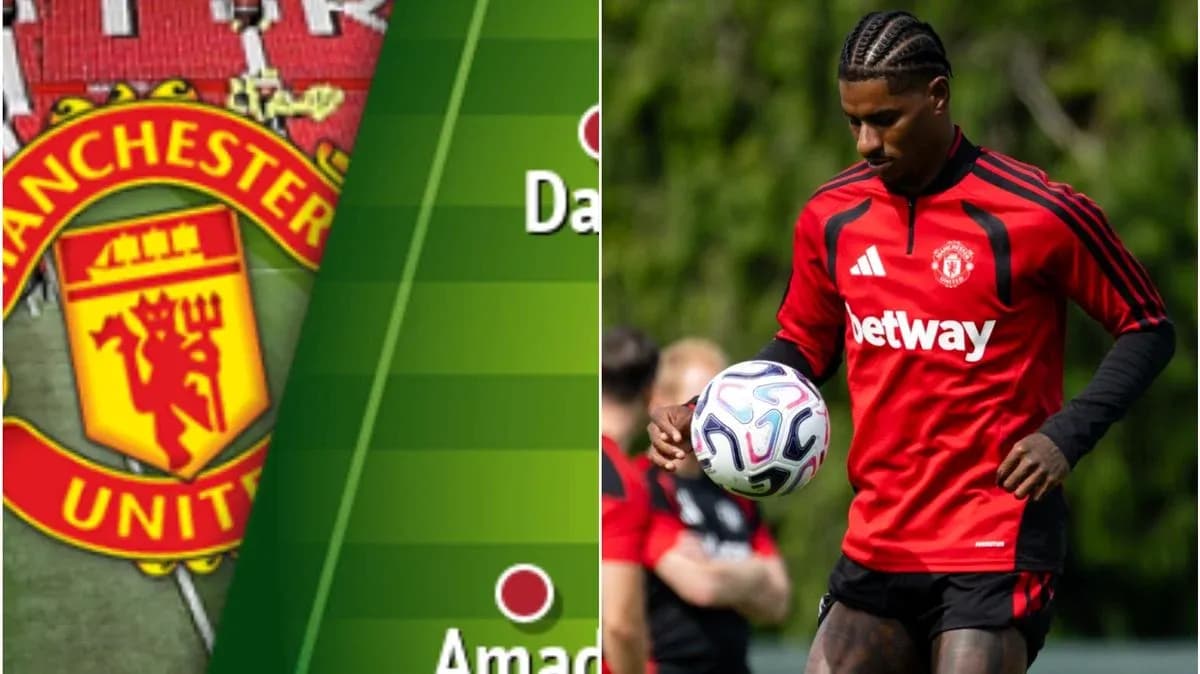
Marcus Rashford saw plenty of the ball in the first half against Panama but produced little to justify the clamour for his inclusion over Anthony Gordon. Repetition without reward. Plenty of touches, not enough incision.
On the opposite flank, Bukayo Saka looked short of his usual spark. Whether it’s fatigue, a knock or simply form, Merson isn’t sure, but he’s adamant on one point: Saka has to play. When the games get bigger, you don’t voluntarily leave out one of your most reliable match-winners.
The pattern is clear. England are moving the ball wide quickly to escape congestion inside, but every time the wingers receive it, they face two defenders, sometimes three. There’s little isolation, even less chaos.
Merson scores the wide men a six out of 10 so far. Functional, not frightening. The flip side? If they click as the knockouts begin, England suddenly look a different animal. Those half-chances and half-runs turn into goals. And in tournament football, one hot winger can tilt an entire tie.
England simmering, not soaring
Across the group stage – Croatia, Ghana, Panama – Merson puts England at about a seven out of 10. Competent, controlled, never fully convincing. They’ve done what they needed to do, no more, no less.
He doesn’t mind that, up to a point. Tournaments are marathons disguised as sprints. You don’t have to be perfect in June to be dangerous in July. But there’s a warning attached: you can’t just flick a switch when the opposition improves.
The best sides build. They sharpen game by game. That, for Merson, is the demand now, starting against DR Congo. The performance levels must rise, not just the stakes.
And the field is wide open. France look devastating in attack. Spain remain Spain – technically gifted, relentless in possession, but not always ruthless enough to kill you off. Colombia, he notes, impressed him with their pace, energy and comfort in the conditions against Portugal.
Nobody is untouchable. Everyone is dangerous.
A wide‑open World Cup – and a familiar English tension
This World Cup feels like a tournament of possibilities. Almost every contender has players who can hurt you on a given day. That cuts both ways: you’re never safe, but you’re never out of it either.
England have already had their reality checks. Ghana pinned them back. Panama, even in defeat, exposed flaws. Those games should sting. They should also focus minds.
Merson’s view is blunt. England will have to be better. They will have to beat very good teams to go all the way. There’s no soft path to the trophy.
But while they’re still in it, they have a chance. A real one. The win over Croatia showed a version of England that can live with anyone in this field – disciplined, dangerous, balanced. The job now is to find that level again and stay there.
The midfield puzzle, the misfiring wingers, the question of whether Bellingham sits next to Rice or ahead of him – all of it feeds into the same, nagging tension that always surrounds England at a World Cup.
They have the tools. They have the route. They have the hope.
And as Merson knows only too well, it’s the hope that does the damage.