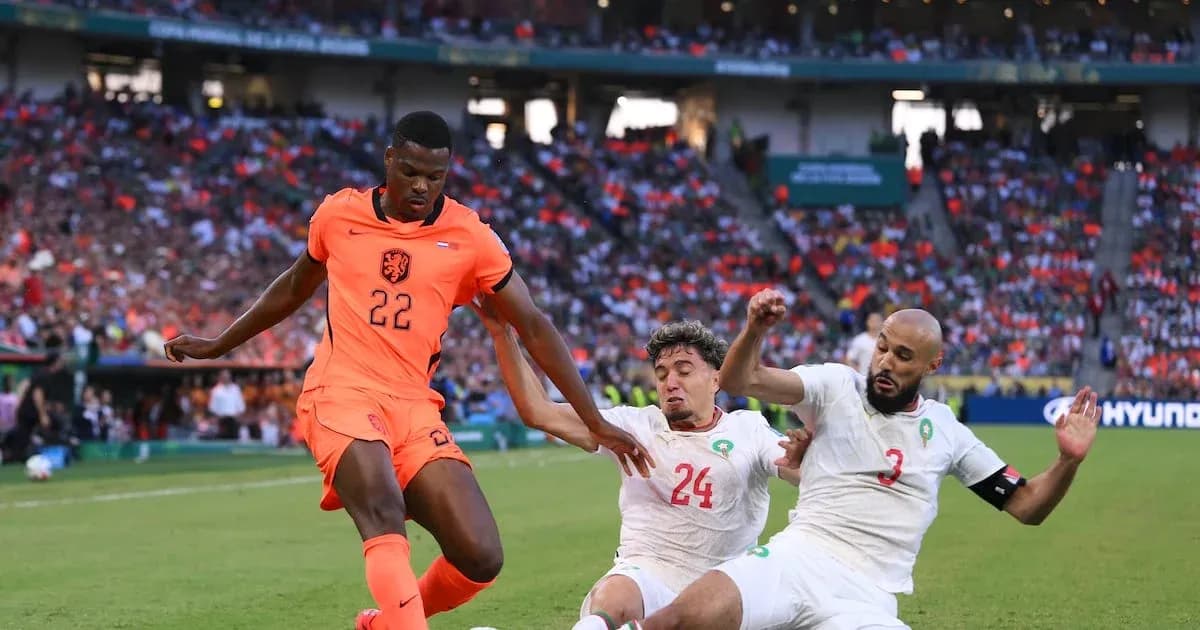
Morocco Stuns Netherlands in Penalty Shootout After Diop's Late Equalizer
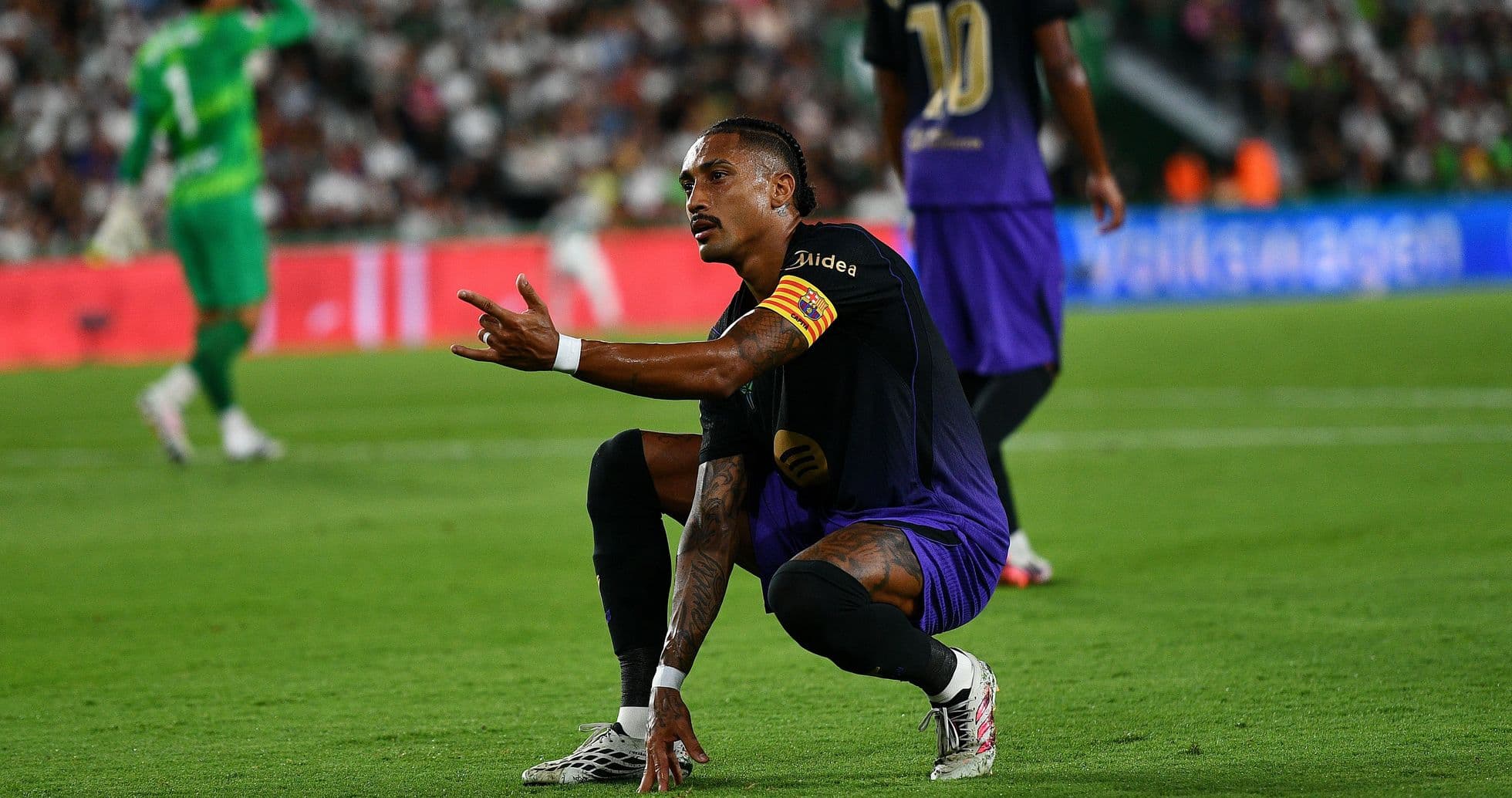
The chase began the moment Ismael Saibari’s penalty hit the net. Morocco’s players sprinted after him, then disappeared into a tangle of shirts, limbs and disbelief near the corner flag. A last-32 tie that had seemed to be slipping away from them ended in a heaving, joyous pile of bodies. They might just be ready to shake up a World Cup again.
Hours earlier, another bundle had formed around Cody Gakpo. That one felt very different.
Gakpo had chosen to play after the announcement that he and his partner had lost their unborn son. When his shot ripped into the net in the 72nd minute, the Netherlands did not simply celebrate a lead. The entire Dutch squad surged onto the pitch and smothered him in a show of collective grief and defiance. As he walked back towards halfway, he pointed to the sky, tears visible, with Denzel Dumfries wrapping an arm around his shoulders.
In another version of this story, that goal wins it. The narrative writes itself, the redemptive arc complete. But football rarely obeys sentiment. It has its own taste for cruelty and, in Doha, it bit hard.
Morocco 1 Netherlands 1. Morocco win 3-2 on penalties.
Koeman’s gamble
Ronald Koeman will wake to questions he will not enjoy. On paper, his side had arrived here with goals to spare: seven in the group stage against Sweden and Japan, three more in a dead rubber with Tunisia. No team had scored more. Yet when the stakes rose, he did not trust that firepower.
Out went the familiar 4-3-3. Out went Tijjani Reijnders. In came a five-man defence and a plan to keep things tight against opponents he later described as a different level. The spectacle paid the price. The anticipated end-to-end contest never materialised. Instead, the Netherlands retreated, absorbed, waited.
Morocco had 70% of the ball. They probed, they passed, they circled. The Dutch barely flickered until just before the break, when Micky van de Ven stepped in from the left and unleashed a rising drive that Yassine Bounou tipped over. By then, Bart Verbruggen had already kept Koeman’s plan afloat with sharp work at the other end.
The Moroccan tempo rose after half-time. The Dutch, pinned back and short of ideas, clung on.
And yet Koeman almost walked away vindicated.
Hydration break, game-changer
Midway through the second half, with Morocco pressing and the stadium leaning their way, came one of those modern intrusions: the hydration break. It felt innocuous. It wasn’t.
The pause gave Koeman his moment. Brian Brobbey, ineffective and isolated, departed. On came Wout Weghorst, the battering ram.
Within seconds, the switch detonated. Verbruggen launched long, Weghorst climbed and flicked on. Crysencio Summerville darted in behind and, under pressure, hooked the ball towards Gakpo. One touch, one thump, and the net bulged.
The emotions poured out of Gakpo. For a few minutes, the Netherlands looked ready to ride the old rope-a-dope again, just as they had done all the way to the 2010 final. They had been second best, but they led. Morocco were rattled. The clock ticked.
Then the game turned one last time.
Diop’s late, late blow
The match had simmered with edge from the first whistle. The historical and cultural ties between the countries added a crackling subtext to a contest already heavy with knockout tension. Jan Paul van Hecke took three heavy blows in the opening period alone, his head bleeding after the third collision. Challenges flew in. So did the jeers.
High in the stands, local supporters seized their chance to needle the Dutch. Twelve years to the day since Arjen Robben’s theatrical fall had earned a late penalty against Mexico in the last 16, every Dutch touch drew boos. Morocco’s fans, loud and relentless, needed no invitation to join in.
On the pitch, Verbruggen kept the Netherlands afloat, springing to deny Neil El Aynaoui and Achraf Hakimi in quick succession. Koeman’s low block stifled Morocco’s rhythm, but Hakimi began to find routes inside with clever underlapping runs, one of which required a crunching, last-ditch tackle from Van de Ven.
The Dutch had no real control. They had a lead. That was all.
Then, in the first minute of added time, the resistance finally cracked.
Chemsdine Talbi, on from the bench, shifted the ball on to his right foot wide on the left. He had space, a moment to look up, and he used it perfectly. The cross he sent arcing towards the back post was wicked, begging to be attacked. Issa Diop rose, muscles taut, and powered his header in. Verbruggen could only watch.
Morocco had what their authority deserved. Dutch devastation swept across the pitch.
Penalties and a sliding-doors touch
Extra time never really caught fire. Legs tired, minds tightened. Verbruggen produced one more outstanding stop, flinging himself to deny Soufiane Rahimi, but that was the only clear chance. The tie crept towards the inevitable: a penalty shootout, and a test of nerve.
Both sides blinked early. One miss each, tension thickening with every walk from the centre circle. Then came the moment Koeman would later highlight, the kind that haunts managers for years.
Rahimi stepped up again. He struck his kick well enough, low and towards the corner. Verbruggen guessed right, stretched, and got firm contact. For a heartbeat, it looked like the save that would tilt everything. Instead, the ball spun off his trailing heel and dribbled over the line. Agony in orange, disbelief in red and green.
Quinten Timber then dragged his effort horribly wide, a scuffed, haunted swing that never threatened the target. Hakimi clipped a post with his own attempt, keeping Dutch hope alive for a beat longer, but the damage had been done.
Bounou did the rest. Saibari applied the final touch of nerve. Morocco, 3-2 winners on penalties, roared into the night.
Canada await them in the next round. On a bleak day for Europe’s traditional powers, Africa’s standard-bearers have kicked the door open again.