World Cup Chaos: Controversies Before Kickoff
World Cups are no strangers to controversy. They have been taken to countries wrestling with politics, human rights questions and uneasy optics. But this one feels different. Messier. Closer to the bone.
The noise is no longer a murmur around the edges of the tournament. It’s front and centre.
Referee Omar Artan has been denied entry to the United States and removed from the officiating roster. Iraq striker Aymen Hussein was reportedly held at customs for seven hours this week. Ticket prices have soared to the point that organisers are facing open anger from supporters who feel locked out of the biggest show in football.
This is supposed to be the moment the world comes together. Instead, it feels fractured before the first anthem plays.
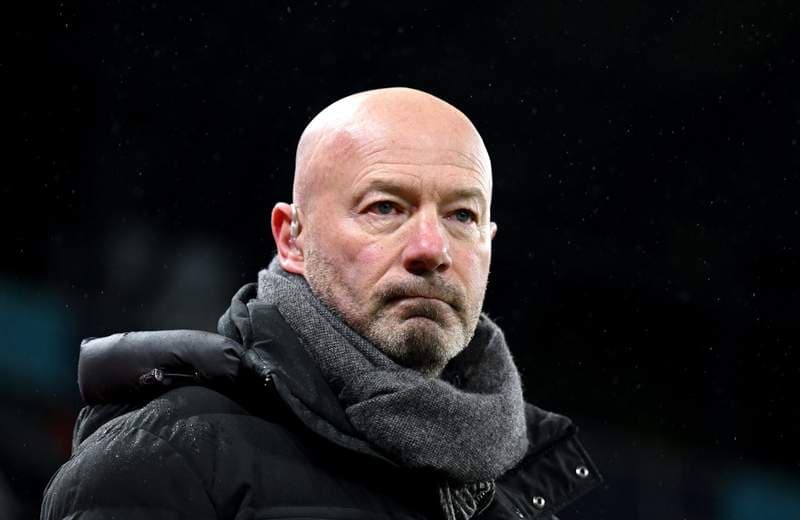
Alan Shearer has seen plenty across his years in the game, as a player and as a pundit. Yet even he says the scale of the off-pitch turbulence around this World Cup is unlike anything he can recall.
Speaking on The Rest Is Football, the former England captain did not bother to dress it up.
“It’s an awful look. It’s a terrible look, as you see, yes,” Shearer said, reflecting on the build-up. “We always have discussions before World Cups, but I think there’s certainly been more ahead of this World Cup than I can remember.
“Whether it’s the situation with the referee, whether it’s the ticket prices and pricing real fans out of going to the biggest tournament in the world, I just think it’s an awful look.
“And yeah, it’s not right, not at all.”
Those words land harder because they echo what many within the game have already been saying.
Ian Wright has called out the referee situation in particular, describing the chaos around Artan’s case as something that must embarrass US soccer fans. When one of the sport’s great showpieces cannot even get its officials into the host country without drama, faith in the organisation of the event inevitably takes a hit.
Gary Lineker has also raised alarms, focusing on the political climate around the tournament and the cost of simply being there. His concern is blunt: World Cup ticket prices are pushing ordinary supporters away from a competition that has always sold itself as football’s most democratic stage.
The pattern is clear. The people who helped build the World Cup’s aura — former players, now the sport’s most prominent voices — are lining up to question what this edition represents.
For many fans, the romance is being tested. A World Cup is meant to be about colour, noise, shared experience. About fans travelling from every corner of the globe and feeling that, for a month, they belong to the same carnival.
Instead, they are staring at eye-watering prices, complicated logistics and a steady drip of stories that have nothing to do with tactics, line-ups or form.
The pressure has been building for months. Political debates. Visa issues. Accusations that the ordinary supporter, the heartbeat of any tournament, is being priced out in favour of corporate comfort and television spectacle.
No one is pretending that previous World Cups were clean. They weren’t. But this feels like a tipping point, where the off-field storm threatens to overshadow the very football it is supposed to showcase.
And yet, as always, there is a familiar hope cutting through the frustration.
There has been so much politics, so much bureaucracy, so much noise that most supporters are now simply desperate for the football to start. For a first whistle. A first goal. Something to drag the conversation back onto the pitch.
The organisers will cling to that. Once the games begin, the World Cup often finds its own rhythm, powered by drama, brilliance and chaos of a different kind — the kind decided by players, not border officials or ticket offices.
The question hanging over this tournament is whether the football can be good enough, pure enough, to drown out what has come before. Or whether this World Cup will be remembered less for its champions and more for the mess that greeted its arrival.