World Cup 2022: England, Croatia, Ghana, Panama Preview
England, Croatia, Ghana, Panama: Group of history, scars and second chances
England: Tuchel inherits a nearly team
Seventeen World Cups on the clock, one trophy in the cabinet, and a nation still obsessed with 1966. England arrive with the sense of a story half-finished. Gareth Southgate nudged them closer than most – a World Cup semi-final, a European Championship final, a quarter-final exit that still stings – but he could not quite drag them over the line.
Now comes Thomas Tuchel, the Champions League winner hired to turn progress into something more permanent. His brief is blunt: keep the balance, lose the fear.
This is a squad built to control games. Declan Rice sits at the heart of it, the modern midfielder in microcosm – screening, passing, dictating tempo, plugging gaps that others leave behind. He embodies the idea of a side that can do a bit of everything, and often all at once.
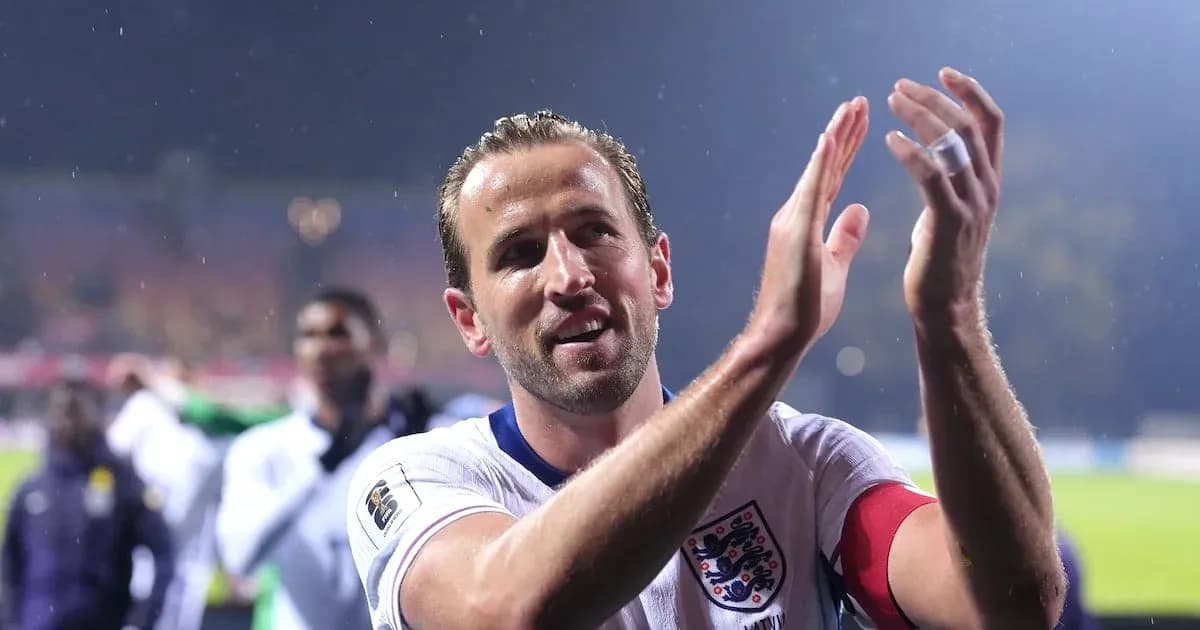
But England’s biggest danger is not the opposition. It is the temptation to retreat into caution when the stakes rise. Under Tuchel, that conservatism must be a tool, not a default setting. With Harry Kane at his peak, anything less would be wasteful.
Kane arrives as England’s record scorer and one of the most ruthless forwards on the planet, fresh from a prolific season with Bayern Munich. Eight World Cup goals already sit next to his name. He is the reference point, the guarantee, the player who can turn a tight, anxious group game into a routine win with one swing of his right foot.
If Tuchel can free the talent around Kane without losing the structure that has underpinned England’s recent tournaments, that second star on the shirt stops feeling like a fantasy and starts looking like a realistic demand.
Croatia: One more dance for Dalić and Modrić
Croatia are not supposed to keep doing this. A country of modest size, a squad often written off as too old, yet they keep turning up deep in the World Cup. Finalists in 2018. Semi-finalists in 2022. Always on the brink of running out of miracles, never quite doing so.
Zlatko Dalić is still there on the touchline. Luka Modrić is still there in midfield, defying time and logic. Together, they go again.
This is Croatia’s seventh World Cup, and the last two have already secured their place in the competition’s modern history. To repeat those feats now would be an even greater shock. Some of the core is past its absolute peak, the legs a little heavier, the recovery a little slower.
Yet the way they play might suit the conditions perfectly. Croatia do not rush. They slow games down, keep the ball, drain the life out of opponents who want chaos and transitions. In the heat, that kind of possession football can feel like a suffocating blanket.
Behind that method stands a new defensive pillar. Joško Gvardiol, outstanding at the last World Cup, returns as a fully-fledged Manchester City defender and arguably one of the best in his position. His recent comeback from a broken shin adds a note of concern, but his importance is obvious: he anchors the back line, steps into midfield, and gives Dalić the platform to keep that patient style intact.
Croatia have lived on the edge of expectation for two tournaments. This time, the bar is lower. That might be exactly what they need.
Ghana: Talent, tension and Queiroz’s iron hand
Ghana’s World Cup story has always carried a hint of drama. This is their fifth appearance, and the benchmark remains 2010 and that quarter-final run that ended in heartbreak. Since then, the promise has often outstripped the product.
The talent is there again. The cohesion has not been. Five straight friendly defeats laid bare the problem: individuals shining in flashes, the team failing to add up to anything coherent. A draw with Wales at least stopped the slide, but it did not erase the doubts.
To fix that, Ghana have turned to Carlos Queiroz, a veteran of international dugouts and a coach whose teams tend to defend first and argue about aesthetics later. He has been brought in to impose order, to tighten the lines, to make Ghana harder to beat.
The trade-off is obvious. Without Mohammed Kudus, sidelined through injury, they lose a key source of flair and unpredictability between the lines. The temptation will be to retreat, to sit deep, to grind. That might keep them in games. It might also blunt what makes Ghana dangerous.
The spotlight falls, then, on Antoine Semenyo. Fresh from a superb season at Manchester City, with 17 Premier League goals and the winner in the FA Cup final, he arrives as the man expected to turn half-chances into headlines. Yet his international record tells a different story: three goals in 34 games for Ghana.
Something has to give. Either Semenyo’s club form finally translates to the national team, or Queiroz’s safety-first blueprint risks leaving Ghana with plenty of structure and not enough spark.
Panama: Chasing respect after England’s six
Panama know exactly how brutal this tournament can be. Their first World Cup, in 2018, brought excitement, pride – and a 6-1 hammering by England, with Kane helping himself to two goals. Those scars have not completely faded.
This is only their second appearance on the biggest stage, and the bar is more modest than their rivals’. Survive the group with dignity. Compete. Make history by taking a point, any point.
Thomas Christiansen’s side have at least earned the right to be taken seriously. Recent results have not been disastrous, and their Fifa ranking of 33 underlines a team that has learned how to win outside the World Cup spotlight. Then came a 6-2 friendly defeat to Brazil, a sharp reminder of the gulf that still exists at the very top.
Panama will not arrive expecting to dominate the ball or dictate the narrative. They will arrive wary of another collapse, determined to show that 2018 was a lesson, not a prophecy.
In a group stacked with pedigree, history and pressure, their ambition sounds simple. On this stage, it is anything but.