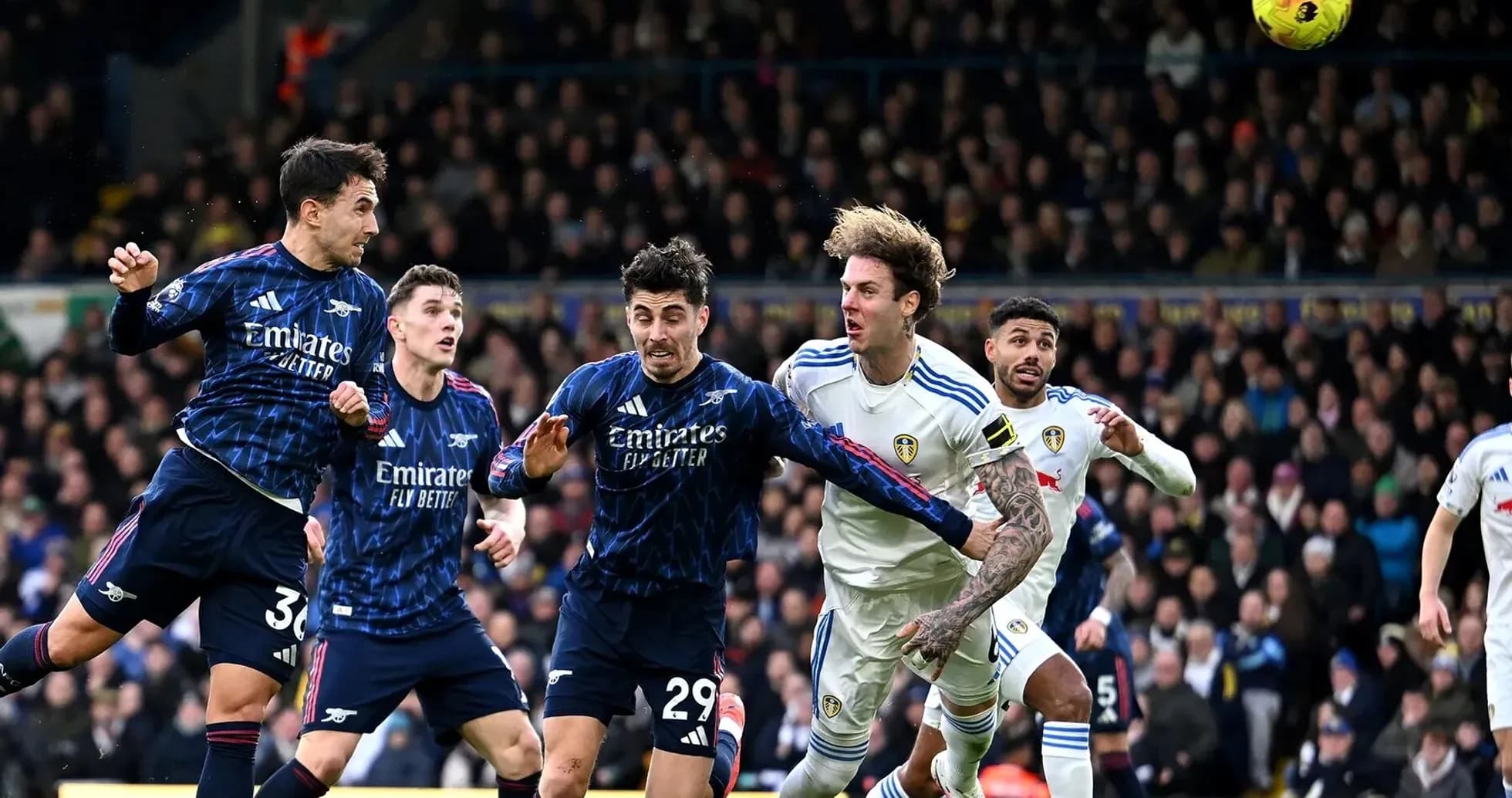
Wolves vs Fulham: Premier League Clash Preview
Molineux Stadium hosts a high‑stakes Premier League clash on 17 May 2026 as bottom‑placed Wolves face mid‑table Fulham in Round 37 of the season. For Wolves, rooted to 20th with 18 points and a goal difference of -41, this is about pride and any lingering mathematical hope of survival. Fulham arrive in 11th on 48 points, with an outside chance of climbing into the top half and improving their final placing.
Context and stakes
In the league, Wolves’ season has unravelled. They have just 3 wins from 36 matches (3-9-24), scoring 25 and conceding 66. Their recent form line of “LDLLL” underlines a side stuck in a spiral, while their overall season form string is littered with long losing streaks and only brief respites.
Fulham, by contrast, have had a volatile but broadly positive campaign. With 14 wins, 6 draws and 16 defeats (44 scored, 50 conceded), they sit comfortably clear of danger but short of European contention. Their recent “LLWDL” run hints at inconsistency, yet they remain significantly stronger than Wolves across most metrics.
The stakes differ: Wolves are playing for survival credibility and to give home supporters some late‑season optimism; Fulham are playing for position, momentum, and the financial and psychological benefits of a top‑half finish.
Tactical outlook: Wolves
Across all phases this season, Wolves have leaned heavily on three‑at‑the‑back systems. Their most used formations are 3‑4‑2‑1 (11 matches), 3‑5‑2 (9), and 3‑4‑3 (5). That points towards a back three with wing‑backs, trying to protect a vulnerable defence while still offering some width.
At Molineux, Wolves’ record in the league is 3 wins, 4 draws and 11 losses from 18, with 18 goals scored and 33 conceded. An average of 1.0 goals for and 1.8 against per home game tells the story: they rarely blow teams away and they are frequently breached. They have, however, kept 3 home clean sheets, so there is at least a template for resilience when the structure holds.
Key tactical themes for Wolves:
- Defensive fragility: Conceding 66 goals in 36 league games (1.8 per match) highlights structural and individual issues. Their “biggest loses” include 0-4 at home and 4-0 away, showing how badly things can go if they fall behind.
- Limited attacking punch: Only 25 goals in 36 matches (0.7 per game) and 19 matches in which they failed to score underline the lack of a reliable cutting edge.
- Discipline and intensity: The yellow‑card distribution peaks between 46-60 minutes (22 bookings, 28.57%), suggesting they often chase games after half‑time, sometimes over‑aggressively. Three red cards across the middle phases of matches add to the picture of a stretched, frustrated side.
- Penalties: Wolves have scored 2 out of 2 penalties this season, with no misses recorded at team level, so they are at least efficient from the spot when chances arise.
Team news complicates matters further. Wolves are without L. Chiwome and E. Gonzalez (both knee injuries), while both senior goalkeepers listed – S. Johnstone (knock) and J. Sa (ankle injury) – are marked as missing for this fixture. That raises serious questions about stability in goal and could force a less experienced or out‑of‑rhythm option into the XI, potentially undermining an already fragile back line.
Tactical outlook: Fulham
Fulham’s identity this season has been built around a consistent 4‑2‑3‑1. They have used it in 33 of 36 league matches, with only occasional switches to 3‑4‑2‑1. That stability in shape has underpinned a reasonably coherent attacking game and a flexible pressing structure.
In the league, Fulham’s home form has been strong (10-2-6, 28 scored, 20 conceded), while their away record is weaker: 4 wins, 4 draws and 10 defeats, with 16 goals scored and 30 conceded. They average 0.9 goals for and 1.7 against per away game, which is a clear drop‑off from Craven Cottage.
Key tactical elements for Fulham:
- Structured attack: 44 goals in 36 matches (1.2 per game) is respectable. Their “biggest wins” include 3-0 at home and 1-3 away, showing they can control games and also counter effectively on the road.
- Defensive vulnerability away: Conceding 30 in 18 away games (1.7 per match) keeps opponents interested, particularly if Fulham overcommit or lose control of midfield.
- Clean sheets and shutouts: 8 clean sheets overall (5 at home, 3 away) indicate that when their shape is compact, they can be hard to break down. They have failed to score in 11 matches, with 8 of those blanks away, so their attack can be streaky on their travels.
- Penalty reliability: Fulham have scored 4 out of 4 penalties at team level, again with no recorded misses.
Personnel issues will influence Fulham’s plan. J. Andersen is suspended (red card), removing a key central defender from their back line. In attack and wide areas, A. Iwobi (injury), R. Jimenez (suspended) and R. Sessegnon (hamstring injury) are also ruled out. That strips depth from both the centre‑forward role and the flanks.
The creative and goalscoring burden therefore falls even more heavily on Harry Wilson. The Welsh midfielder has been outstanding in the league: 10 goals and 6 assists in 34 appearances, with a 7.14 average rating. His 48 shots (24 on target) and 38 key passes underline his dual threat as both scorer and creator. Wilson’s ability to drift inside from the flank, combine between the lines and threaten from distance makes him the standout danger man at Molineux.
Head‑to‑head snapshot
The last five competitive meetings between these sides, all in the Premier League, show a finely balanced but high‑scoring pattern:
- 1 November 2025 – Craven Cottage: Fulham 3-0 Wolves, Fulham win.
- 25 February 2025 – Molineux Stadium: Wolves 1-2 Fulham, Fulham win.
- 23 November 2024 – Craven Cottage: Fulham 1-4 Wolves, Wolves win.
- 9 March 2024 – Molineux Stadium: Wolves 2-1 Fulham, Wolves win.
- 27 November 2023 – Craven Cottage: Fulham 3-2 Wolves, Fulham win.
Across these five, Fulham have 3 wins, Wolves 2, and there have been no draws. Every game has produced at least three goals, suggesting this fixture often opens up once the first goal arrives, even if we cannot infer any specific match flow beyond the final scores.
Key battles and tactical details
- Wolves’ back three vs Wilson: With Andersen out for Fulham, the most decisive individual on the pitch may well be Wilson. Wolves’ likely three‑man defence and wing‑backs will need to track his movements into half‑spaces and prevent him from receiving between the lines. Any uncertainty from Wolves’ stand‑in goalkeeper could be punished by his shooting from range.
- Midfield control: Fulham’s 4‑2‑3‑1 double pivot will look to dominate central areas against Wolves’ 3‑5‑2 or 3‑4‑2‑1. If Wolves commit an extra man in midfield (3‑5‑2), they might disrupt Fulham’s build‑up and create transition opportunities. If they go 3‑4‑3 or 3‑4‑2‑1, Fulham’s numerical balance in the centre could dictate tempo.
- Set pieces and discipline: Wolves’ card profile, with a cluster of yellows after the break and three reds across the season, suggests set‑piece danger if they concede cheap fouls around the box. Wilson’s delivery could be decisive here.
The verdict
On league form and underlying numbers, Fulham are clear favourites. They have almost three times as many wins as Wolves, a far superior goal difference, and a recent head‑to‑head edge. Even with Andersen, Iwobi, Jimenez and Sessegnon unavailable, their core structure and the presence of an in‑form Harry Wilson give them more attacking and creative quality.
Wolves can cling to a few factors: home advantage, Fulham’s poor away defensive record, and the knowledge that they have beaten Fulham at Molineux as recently as March 2024 (2-1). However, their own defensive record, the likely disruption in goal, and a season‑long struggle to score make it hard to project a sustained turnaround.
A competitive match is possible, especially if Wolves start aggressively and harness the Molineux crowd, but the data points towards Fulham having enough to avoid defeat and probably edge a game that could again produce multiple goals.