Villarreal vs Sevilla: Tactical Insights from a Thrilling 3-2 Clash
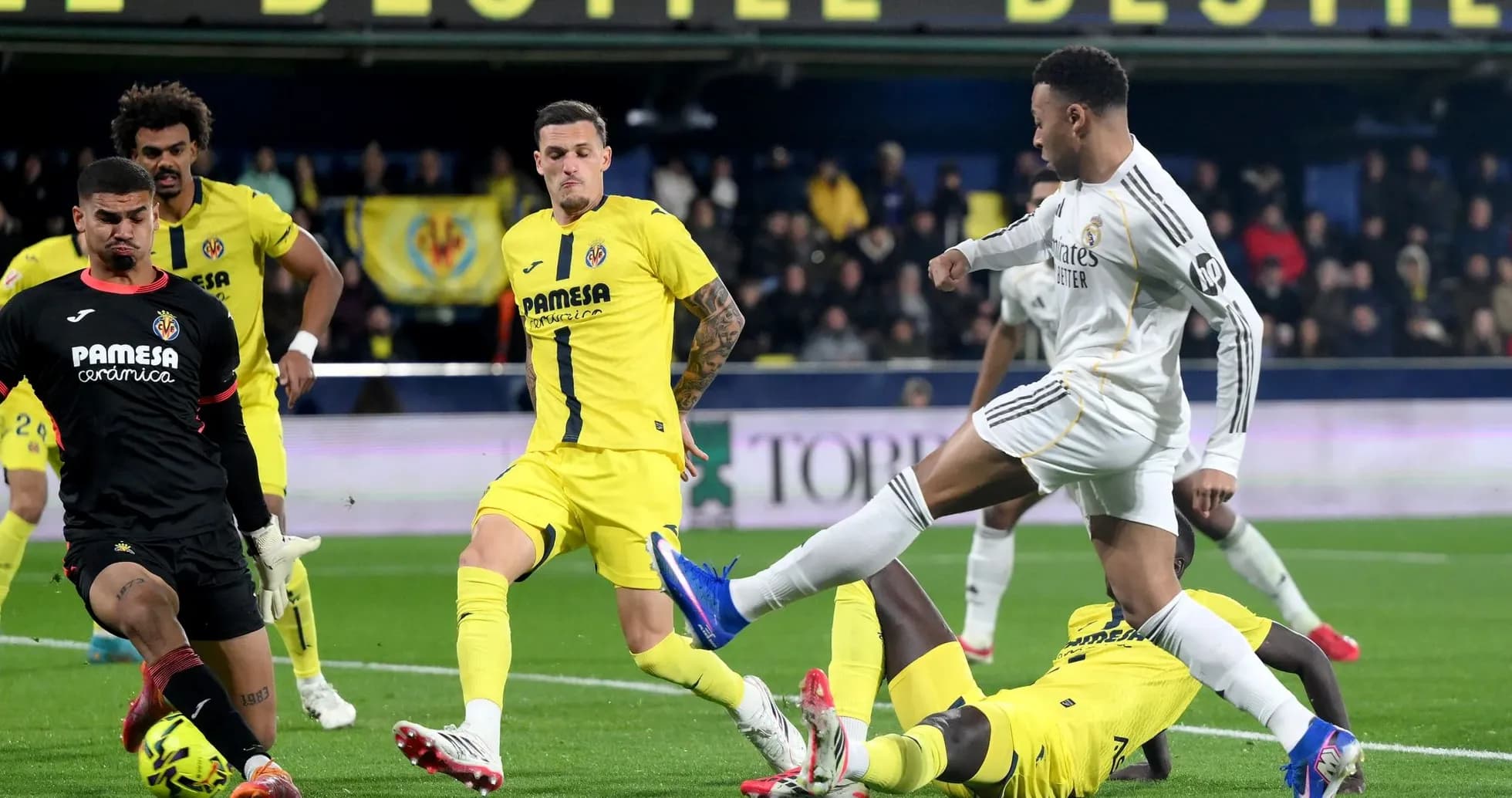
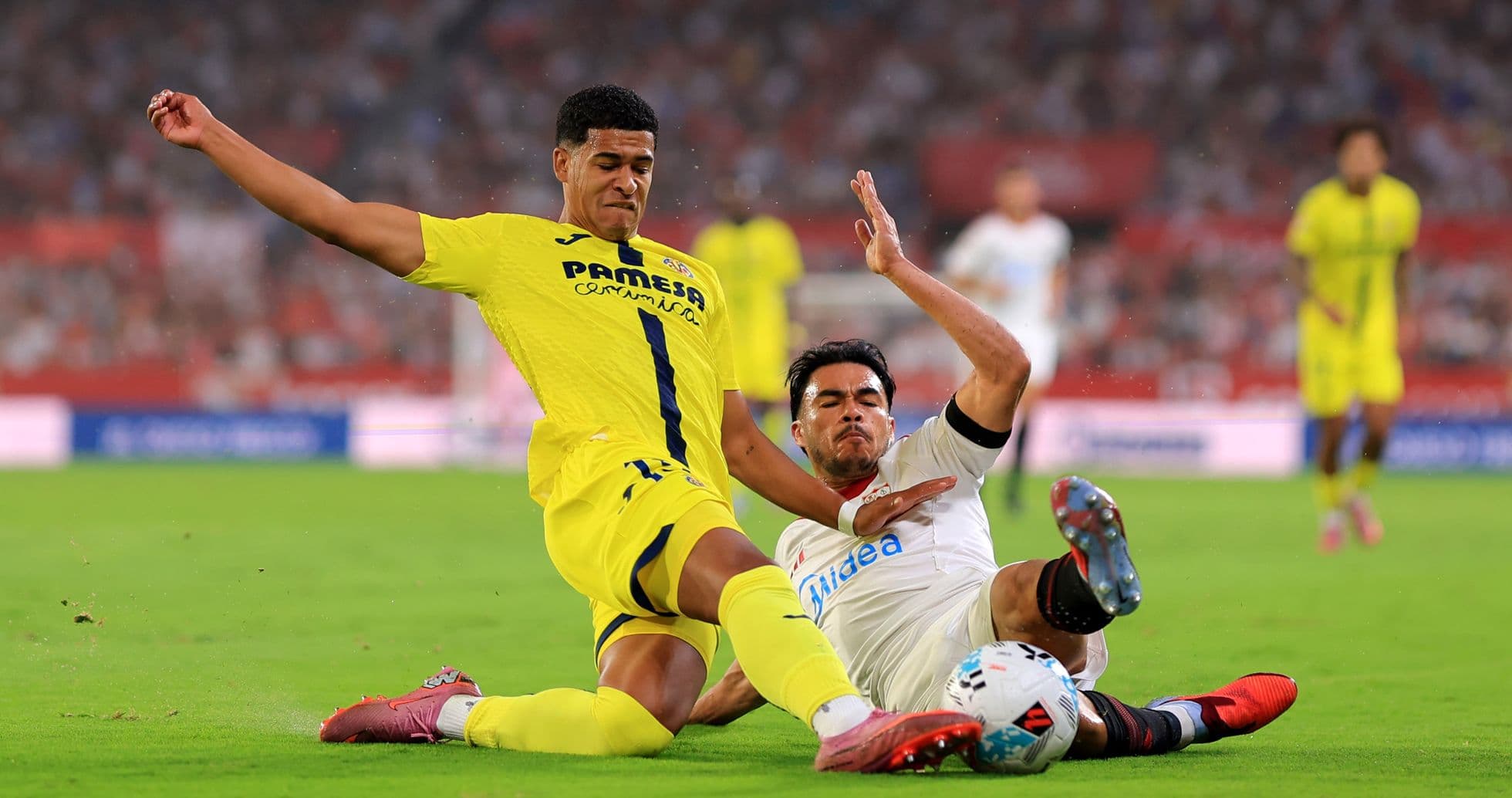
On a warm evening at Estadio de la Cerámica, a season’s worth of identities collided – Villarreal’s expansive, front-foot football against Sevilla’s more pragmatic, shape‑driven resistance. The 3-2 away win did more than flip the script of the night; it sharpened the edges of both squads’ tactical stories heading into the final stretch of La Liga’s 2025 campaign.
I. The Big Picture – Two Paths Crossing Late in the Season
Following this result, Villarreal remain one of the league’s most potent attacking outfits. They sit 3rd in La Liga on 69 points after 36 matches, with a goal difference of 24 (67 goals for, 43 against overall). At home they have been ferocious: 14 wins from 18, scoring 43 and conceding 18. That is an average of 2.4 goals for and 1.0 against at home – the profile of a side built to dominate in their own arena.
Sevilla, by contrast, are living a more volatile mid‑table existence. They stand 12th with 43 points from 36 games, and a goal difference of -12 (46 scored, 58 conceded overall). On their travels, Sevilla have been fragile: 5 away wins, 3 draws and 10 defeats, with 22 goals scored and 34 conceded, an away defensive average of 1.9 goals against per game. Yet here, with a 5-3-2 and a disciplined collective, they bent but did not break.
The half‑time scoreline of 2-2 told of a match where Villarreal’s attacking DNA met Sevilla’s opportunism. Full-time at 2-3 underlined that while Villarreal’s offensive numbers are elite, their defensive structure can still be unpicked by a side that knows how to suffer and counter.
II. Tactical Voids – Absences and the Edges of Risk
Both coaches had to shade their plans around absences. Villarreal were again without P. Cabanes (convalescence) and J. Foyth (Achilles tendon injury), trimming Marcelino’s defensive rotation and perhaps explaining why Renato Veiga was once more trusted from the start in the back line. Veiga’s season profile – 30 blocked shots and a red card on his record – captures a defender who throws himself into danger, sometimes too willingly.
Sevilla travelled without M. Bueno (knee injury), Marcao (wrist injury) and Isaac Romero (injury), removing a key rotation attacker and a left‑sided centre‑back option. That absence of Marcao likely nudged Luis Garcia Plaza toward a back five anchored by C. Azpilicueta, K. Salas and José Ángel Carmona, with G. Suazo and Oso as wide stoppers.
Disciplinary tendencies added another layer. Villarreal’s season yellow-card distribution shows a clear late‑game spike: 25.64% of their yellows arrive between 76-90 minutes, with a further 8.97% from 91-105. Red cards are brutally concentrated too: 66.67% of their reds come in that 76-90 window. Sevilla’s pattern is similar but even more stretched into stoppage time – 18.63% of yellows between 76-90 and 20.59% from 91-105. This is a fixture that naturally drifts into chaos the longer it goes, and this match was no exception.
III. Key Matchups – Hunter vs Shield, and the Engine Room
The headline duel coming in revolved around Villarreal’s attacking trident of G. Mikautadze, Alberto Moleiro and N. Pépé against Sevilla’s deep block.
Mikautadze, with 12 goals and 6 assists in La Liga, is more than a finisher. Across 31 appearances he has produced 51 shots (29 on target) and 26 key passes, drawing 45 fouls. His dual status as top scorer and joint‑top assister for Villarreal made him the “Hunter” in this narrative. Facing a Sevilla side that concede 1.9 goals on their travels, he had every statistical right to shape the night.
Yet Sevilla’s “Shield” was layered rather than singular. Azpilicueta’s leadership, Salas’s physicality and Carmona’s aggression – 63 tackles, 8 blocks, 36 interceptions and a league‑leading 13 yellow cards – gave the back five an edge. Carmona, in particular, walks a disciplinary tightrope; his 47 fouls committed and 13 yellows make him both an enforcer and a liability, especially in those volatile late phases where Villarreal’s card profile spikes.
In midfield, the “Engine Room” battle was subtly decisive. D. Parejo and P. Gueye offered Villarreal control and verticality, with N. Pépé drifting inside from the right. Pépé’s season numbers – 8 goals, 6 assists, 55 key passes and 121 dribble attempts with 59 successes – show a ball‑dominant creator who can unbalance any medium block. Alongside him, Moleiro’s 10 goals, 5 assists and 36 key passes from midfield add a second creative conduit between the lines.
Opposite them, Sevilla leaned on L. Agoume and D. Sow, with R. Vargas higher as the link. Agoume’s 66 tackles, 47 interceptions and 1,250 completed passes at 80% accuracy sketch a classic midfield anchor, tasked with screening those half-spaces where Moleiro thrives. Vargas, with 6 assists and 25 key passes, offered Sevilla’s main creative outlet, especially in transition when the first line of Villarreal’s press was broken.
Up front, A. Adams and N. Maupay formed a contrasting pair. Adams, with 10 goals and 3 assists plus 3 penalties scored, is Sevilla’s primary goal threat, a physical reference point who relishes duels (228 contested, 85 won). His battle with Veiga – a defender who blocks shots aggressively and has already seen red this season – was always likely to swing on fine disciplinary margins.
IV. Statistical Prognosis – What This Result Says About Both Sides
Following this result, the statistical arc of the season remains clear. Villarreal are an attacking juggernaut: 67 goals overall at 1.9 per game, with a home profile that screams Champions League level. Their penalty record is perfect – 6 scored from 6 – underscoring their composure from the spot. Yet the 43 goals conceded, and the way Sevilla found three in 90 minutes, underline that their high line and aggressive press still leave exploitable spaces, particularly against teams with runners like Adams and creators like Vargas.
Sevilla, meanwhile, continue to live on the edge. They have scored 46 and conceded 58 overall, with only 6 clean sheets in total. Their penalty record is also flawless – 5 scored from 5 – but their defensive structure away from home remains porous. The 5-3-2 here, however, showed a template: compact lines, full-backs locked in, and transitions funneled through Vargas into Adams.
From an xG and defensive solidity standpoint, Villarreal will continue to generate enough chances to outscore most opponents, especially at home. But their late‑game card surge and reliance on aggressive defenders like Veiga and S. Mouriño leave them vulnerable to momentum swings. Sevilla’s path is narrower: they must lean on the efficiency of Adams, the creativity of Vargas and the combative screens of Agoume, while praying their disciplinary edge – embodied by Carmona’s 13 yellows – does not tip into self‑destruction.
This 3-2 away win does not rewrite the season’s numbers, but it reframes the narrative: Villarreal are brilliant but brittle; Sevilla, flawed yet dangerous when their structure holds. In the closing chapters of this La Liga campaign, both identities will be tested again.