Tuchel Reflects on England's World Cup Collapse Against Argentina
Anthony Gordon’s strike was supposed to be the moment. The one that sent England surging towards a World Cup final and rewrote a generation’s story. Instead, it became the high point before a brutal, late collapse that still haunts the man in charge.
For a long time, the England manager laid the blame at the feet of the country’s footballing DNA. England, he argued, simply could not keep the ball when it mattered most. That was the flaw. That was the curse.
Not anymore.
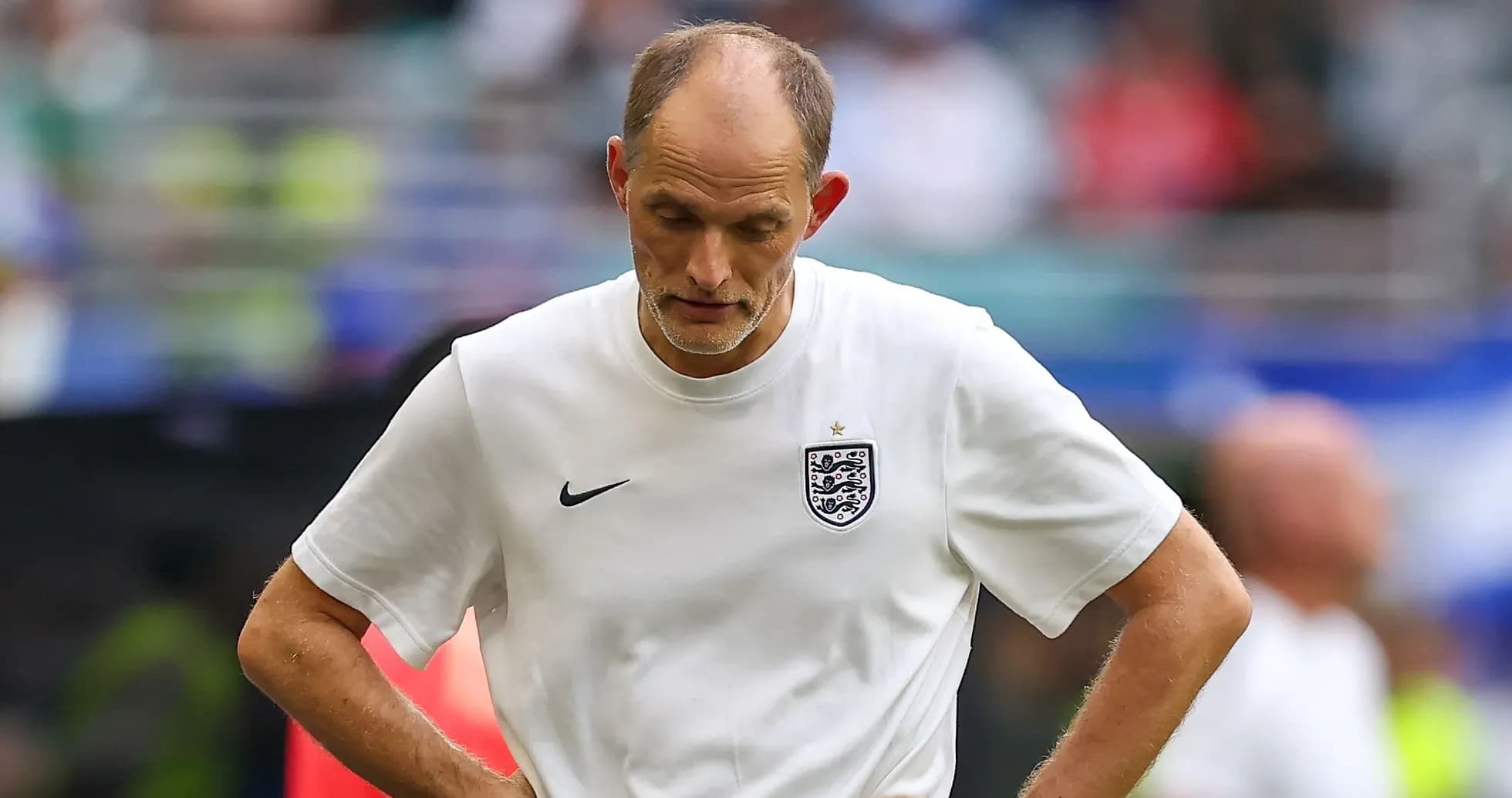
On the FA’s documentary Reflections: England's World Cup Journey, Thomas Tuchel tears that theory up and points the finger at himself. Not the players. Not the culture. His own decision.
He admits he panicked.
‘This is death’
Tuchel describes the moment everything started to unravel. England had the lead, Argentina were chasing, and the tension inside the stadium was starting to suffocate everyone in white.
"We conceded a chance just before the water break. I thought we will not survive. This is death," he said.
That single chance pushed him over the edge. Instead of trusting the plan that had carried England this far, he retreated. He switched to a back five, a 5-4-1, long before the game truly demanded it.
"I thought: ‘OK, let’s change to a back five, a 5-4-1.’ It was too early for that mindset."
The change was supposed to protect a fragile, exhausted team. England had been dragged across the globe: Congo, Miami, Norway, then Mexico and the thin air of altitude. Tuchel knew his players were running on fumes.
"We were super tired," he admitted.
But that early defensive shift did something far more damaging. It handed the initiative to Argentina.
They took it with both hands.
A scar that will not fade
Time has not softened the blow. Tuchel still cannot sit through the full 90 minutes.
"Agony of epic proportions. I watched the clips with my coaches just last week when we were at SGP," he said, referring to St George’s Park. "My mind always works forward, forward. Painful. I see it now for the first time from the commentators’ point of view. It’s my scar, the players’ scar, I have to live with it. No-one is hurt more than me. It is torture."
That word – torture – hangs over the whole episode. This is not a manager coolly dissecting a loss. It is a man who still feels every minute of it.
Tuchel’s honesty cuts through the usual post-tournament spin. There is no talk of “fine margins” or “lessons learned” as a polite shield. He talks instead about fear, about mindset, about a team that started playing as if the clock was on 86 when it was barely past the hour.
The tackle that changed everything
England had gone toe to toe with Argentina in the first half. Gordon’s goal gave them a platform, but the overall performance gave them belief.
"I think we did quite well in the first half, it was quite an even match and I felt we were there," Tuchel said.
Then came the second half. And one challenge that, in his mind, flipped the entire mood.
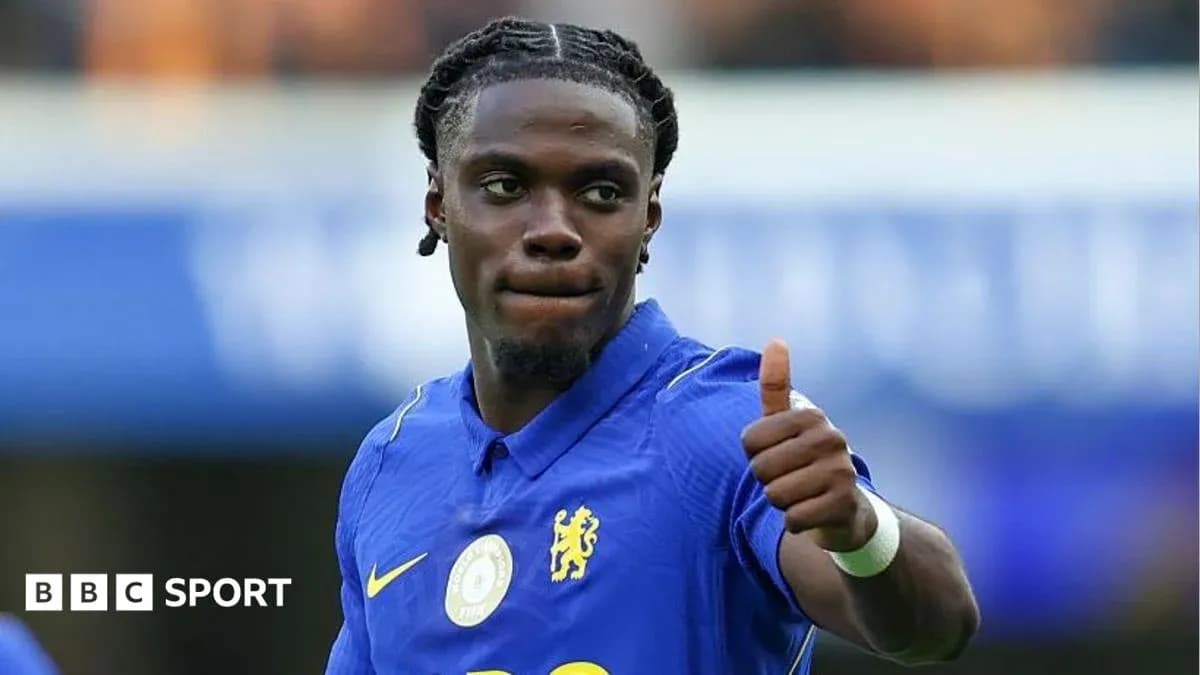
"From the start of the second half, I saw a change. The famous tackle of Djed Spence. And it did something to me, it did something to the players and it was a shift in the mindset. We played like we had four minutes left but there was half an hour left."
From that point, England shrank into themselves. They leaned on togetherness, on grit, on the idea that brotherhood and mentality could drag them over the line.
"We relied on our brotherhood, our mentality. Individual quality."
But Argentina had all of that too – and they played like a team unchained.
"Argentina have that as well - brotherhood, mentality, they bring it all to the table and it means the world to them. Argentina played very, very quickly. They had nothing to lose."
With England sitting deep and Argentina pouring forward, the script felt inevitable. The South Americans seized control, forced the issue and eventually ripped the game – and England’s dream – out of Tuchel’s hands.
Pride, pain and what comes next
The story did not end with that defeat. England still had to drag themselves through the wreckage to face France in the third-place play-off. They did it, and they won.
Tuchel clings to that response as proof of character, even as he dissects his own errors.
"You learn as a coach. You have to play as if it is 0-0. That includes me as well," he said.
The bronze medal is not what he wanted. Not what any of them wanted. But it means something.
"I have a lot of people who want to see my medal. We did not achieve what we wanted. But I am still very proud of what we achieved. These players will come back hungry."
The scar will stay. So will the torture of that night against Argentina. The question now is simple: when the next World Cup moment arrives and the pressure starts to suffocate again, does Tuchel’s England defend their lead – or finally learn to live with it?