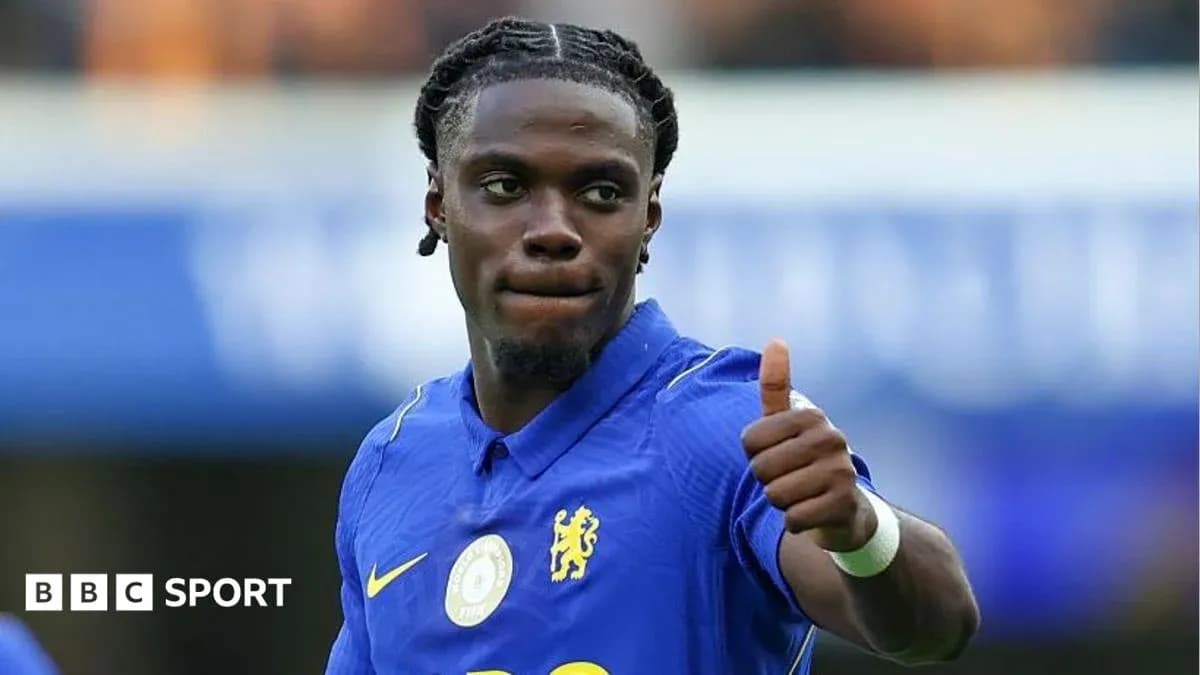
Romeo Lavia's Journey: From Injury to Chelsea Midfield Pillar
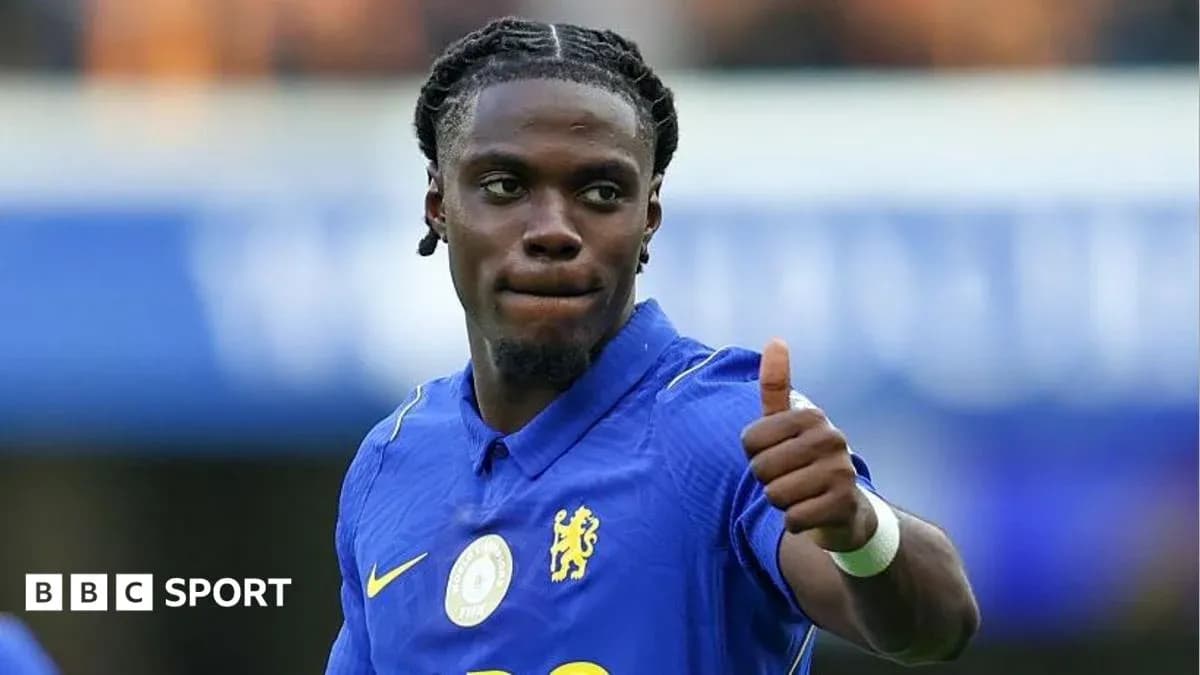
Romeo Lavia leans back in his chair at Cobham and smiles. Not the smile of a prospect still waiting for his chance, but of a player who feels he has finally broken through the glass ceiling his own body kept lowering on him.
“I feel free,” he says. And for the first time since he walked through Chelsea’s doors, that doesn’t sound like wishful thinking.
From treatment room to ever-present
On Friday night at Brentford, Lavia is on the brink of a small but telling milestone. If he gets through an hour, he will move past 518 consecutive minutes without injury – his longest uninterrupted run in a Chelsea shirt, pre-season included. It’s the kind of number most players barely notice. For him, it marks a new life.
His first year at Stamford Bridge was a write-off. One appearance, then a serious hamstring injury, months of rehab, and a growing sense that his Chelsea story might be over before it had even started.
The second season brought more frustration. Fewer games missed than the first – 33 instead of 42 – but still too many hours spent watching, not playing. Only last term did the tide begin to turn, as he featured in roughly half of Chelsea’s matches and started to feel like a footballer again rather than a permanent resident of the physio room.
Now he has come through pre-season unscathed and stayed available into the opening stretch of the new campaign. For Lavia, that alone is a transformation.
“There is so much that goes on behind the scenes,” he tells BBC Sport, explaining how he works through a personal checklist before every game to make sure his body is ready. “It’s a big process but we’re doing well at the moment.”
Breaking the mental block
The physical work is obvious. The mental work is less visible, but every bit as heavy.
Repeated setbacks can change a player. Some stop trusting their body. Some stop trusting the game. Lavia has had to fight both impulses.
Xabi Alonso saw it up close in pre-season. In August, during a friendly against AC Milan, the Chelsea manager pushed Lavia to get through the full 90 minutes, not because the team desperately needed it, but because the player did. Alonso wanted him to tear down the “mental block” that came whenever the clock ticked towards the final whistle.
“I’ve learned you can always go further than you think you can. You can always push your limits, especially when you feel like everything is going against you,” Lavia says.
“It’s always easy to think about giving up, or to feel that whatever you do will take you back to the same point where you started.
“But luckily, with the help of team-mates, staff, everyone at the club and people close to me outside football, we’ve been able to create a sort of bubble where you concentrate only on what you can control.”
That bubble has become his armour. And at Chelsea, he is not alone. Reece James and Wesley Fofana know the same dark corridors of doubt and rehab. Lavia wants to follow their path from injury concern to cornerstone.
From fragile prospect to midfield pillar
He is getting there. Alonso has built his midfield around him, with Lavia now a regular presence alongside captain Reece James, who has shifted infield from his original right-back role.
Circumstances have only magnified his importance. Moises Caicedo has managed just 14 minutes this season. Enzo Fernandez has gone, sold to Manchester City for £125m on deadline day. A midfield once crowded with options suddenly leans heavily on a 22-year-old who spent most of his first two seasons watching in a tracksuit.
Lavia doesn’t flinch.
“It’s part of my game as well to take responsibility and have some character,” he says. “I really like being in that position and also being at this club. Having this responsibility, it’s not even pressure, it’s just like privilege, so I’m actually living the dream.
“This is why you’ve been playing and training all these years for, so just go and enjoy it.”
The club’s message has matched his own conviction. Chelsea have backed him publicly and privately, insisting that the player they signed is still in there, waiting for continuity to unlock him. His team-mates, he says, have shown him “love”. It matters.
A new-look Chelsea, a new role for Lavia
Around him, Chelsea have changed their approach. The scattergun youth project has been tempered by a more measured strategy, adding experience to a still-young core and breaking their transfer record to sign Morgan Rogers from Aston Villa for £117m.
Rogers, a familiar face from Lavia’s Manchester City academy days, has slotted straight into an attack that suddenly crackles with invention. Alongside Cole Palmer and Joao Pedro, he has helped Chelsea rack up 18 goals in six games across all competitions, a surge that has jolted Stamford Bridge back to life.
“It’s honestly amazing,” Lavia says. “Obviously I knew Morgan, but just the way he’s come in and then they’ve all clicked together up front. Sometimes I wish I could go in the stands and enjoy watching it.
“It makes your job easier, because it’s like ‘you guys go and work your magic and then we do the rest’. So we’re really, really happy to have them all and hopefully we can achieve great things together.”
The optimism is real, but so is the scar tissue. Lavia has lived through too many false dawns, both personally and collectively, to get swept away.
He calls Chelsea “too immature” in the recent past and stresses the need to be “realistic” about what this group can become and how quickly.
Changing the narrative
For Lavia, progress comes in steps, not leaps. Minutes accumulated. Games strung together. Milestones ticked off, one by one.
His first Chelsea goal, in a wild 4-3 win over Brighton, felt like one of those moments that mark a turning point.
“It was just a moment where I felt free,” he explains. “It feels like all the work that you’re putting in, you gain the reward of it, so it was a very emotional moment.
“I wanted to change the narrative. My first Premier League goal was against Chelsea [for Southampton in 2022], so I always felt like it was a bit strange.
“I saw all my team-mates score, so I was waiting for it to be my turn and when it happened I was very, very happy and excited. I wanted to express it as much as possible with the fans and I really loved it.”
He talks about changing the narrative as if it’s a personal mission. In many ways, it is. For two years, the story around Romeo Lavia at Chelsea has been about what might have been. Now, with his body finally holding and his influence growing, the question shifts.
If this is him just getting started, how far can he drag his own story – and Chelsea’s – from fragile hope to something far more substantial?