Teenage Revolution: Dowman Shines as Gabriel Exits Manchester United
The Premier League’s kids are no longer just prospects. They are front-page stories, transfer assets and, in some cases, already match-winners.
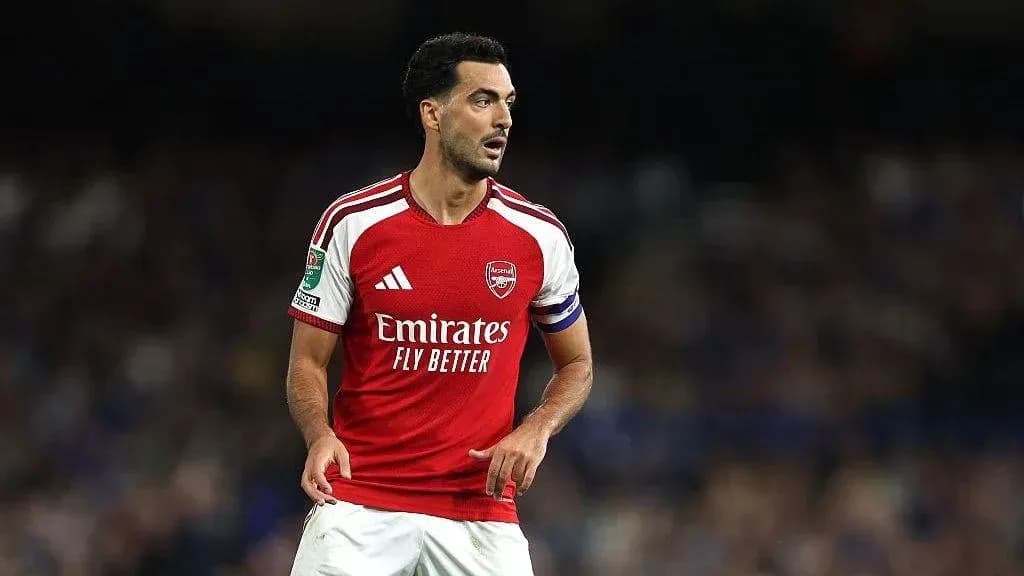
On Tuesday night, 16-year-old Max Dowman tore into Ipswich in the Carabao Cup, scoring twice for Arsenal. Hours earlier, 15-year-old JJ Gabriel had stunned Manchester United by asking to cancel his registration and walk away from one of football’s most famous academies.
Two teenagers. Two very different decisions. One clear message: the next generation is arriving earlier, and they are not prepared to wait quietly.
Who owns the teenage goldmine?
Strip away the hype and look at the numbers, and one club sits on top of the teenage market: Manchester City.
Using Transfermarkt’s valuations, City’s teenagers are collectively priced at £122.6m – the highest in the Premier League. Chelsea are barely a stride behind on £121m, with Arsenal third on £102.4m.
Brighton, who have built an entire model on spotting tomorrow’s stars before everyone else, rank fourth at £100.7m. That puts them well clear of Liverpool in fifth, whose teen group is valued at £64.3m.
Then comes the jolt. Manchester United, once the benchmark under Sir Alex Ferguson for bringing through youth, sit only sixth. Their teenage pool is valued at £48.1m, a figure that underlines how far they have slipped as a destination for the best young talent. Just behind them, and punching well above their financial weight, are Hull City in seventh.
At the other end of the table, Ipswich have no teenagers with Transfermarkt valuations at all, leaving them bottom of the rankings. Newcastle and Everton are also marooned in the lower half, with teen totals of just £9.9m and £10.5m respectively.
Even Tottenham, traditionally one of the big six, lag behind. Their teenage group is valued at £23.1m, only enough for 11th place.
Bouaddi, Estevao and the elite teen bracket
The top end of this market is already eye-watering.
At City, Ayyoub Bouaddi – signed from Lille in August – accounts for more than half of their teenage value alone. The 18-year-old midfielder is rated at £68.6m by Transfermarkt, a figure that places him alongside Chelsea winger Estevao as the most valuable teenager in the division.
Behind that leading pair sits Brighton’s latest defensive jewel. Centre-back Luka Vuskovic, who arrived from Spurs in the summer for £50m, is valued at £51.4m.
Arsenal’s numbers tell a different story. Their £102.4m total is spread more evenly across a cluster of highly rated youngsters rather than one headline valuation. In Myles Lewis-Skelly (£38.6m), Ethan Nwaneri (£30m) and Dowman (£25.7m), the Gunners boast three of the 10 most valuable teenagers in the Premier League.
Dowman stands alone in another way. Having become the Premier League’s youngest goalscorer last season at 16 years and 73 days, he is the only 16-year-old at any top-flight club to carry a Transfermarkt valuation.
Liverpool’s 18-year-old winger Rio Ngumoha also sits in that top bracket, level with Dowman at £25.7m. Manchester United’s 19-year-old defender Ayden Heaven and Aston Villa’s 18-year-old Ibrahim Mbaye complete the group of 10 most valuable teens.
Beyond them, only five more teenagers break the £20m mark: Brighton’s Charalampos Kostoulas, Fulham’s Josh King, Hull’s Christos Mouzakitis, Liverpool’s Giovanni Leoni and Sunderland’s Chris Rigg.
Hale End vs chequebook: Arsenal’s homegrown edge
City and Chelsea’s teenage totals lean heavily on big-money imports. Bouaddi and Estevao, both signed at considerable cost from Lille and Palmeiras, make up more than half of their clubs’ teenage valuations.
Arsenal’s rise looks different. It starts at Hale End.
Lewis-Skelly, Dowman and Nwaneri – the latter currently out on loan – all came through Arsenal’s academy. So did 17-year-old defender Marli Salmon, who impressed alongside Dowman against Ipswich and carries a Transfermarkt tag of £4.3m. That makes him the third-most valuable 17-year-old in the league, behind only Manchester City’s Jeremy Monga and Aston Villa’s Brian Madjo, both bought in from elsewhere this summer.
Scan the list of the 20 most valuable teenagers in the Premier League and the pattern is stark. Outside of Lewis-Skelly, Nwaneri and Dowman, only Fulham’s King, Sunderland’s Rigg and Tottenham winger Mikey Moore – currently on loan at Koln – have risen through the youth ranks of their current clubs.
Even Heaven, now at Manchester United, is another Hale End graduate, having swapped Arsenal for Old Trafford last year. The production line in north London is not just filling Arsenal’s squad; it is stocking rivals too.
Talent, impatience and the modern teenager
With that context, Gabriel’s decision at Manchester United lands differently.
The 15-year-old has not yet played first-team football, so Transfermarkt do not assign him a valuation. But his choice to ask out of United just as Dowman and Ngumoha are breaking through elsewhere speaks to a wider shift in mentality.
On Sky Sports News, Paul Merson urged patience, especially in the cases of Dowman and Gabriel.
On Dowman, he said: “He’s going past players like they’re not there, like he’s playing in his own age group. The first goal on Tuesday, the way he throws the dummy, leaves the defender on his backside and scores. It’s just unbelievable.
“He’s at an unbelievable Rolls Royce of a football club. He’s got 15 years at least at the top. He’s just got to be patient and that’s hard because he’ll think that he should be playing in the team now.”
Then came the warning shot around Gabriel.
“First of all, he’s an unbelievable talent. This kid can play as well. The problem now is with the lad and probably his agents and his family. I don’t know him, so I’m only thinking from the outside.
“When you’re watching Max Dowman and Rio Ngumoha getting given a chance at Liverpool and doing very well, he’s probably thinking, I should be playing at Man United now as well.
“This is the problem you’re going to have with the kids now of this day and age. They’re so talented that they want to play straight away. When I was playing, it was unheard of at 16.”
That is the tension at the heart of the modern Premier League. Clubs are treating teenagers as multi-million-pound assets. The best of those teenagers are watching their peers break through on live television and wondering why they are not next.
Some, like Dowman, are already forcing the issue on the pitch. Others, like Gabriel, are willing to walk away to find their own path.
The question now is not whether the kids are good enough. It is which clubs are brave enough – and patient enough – to build around them.