
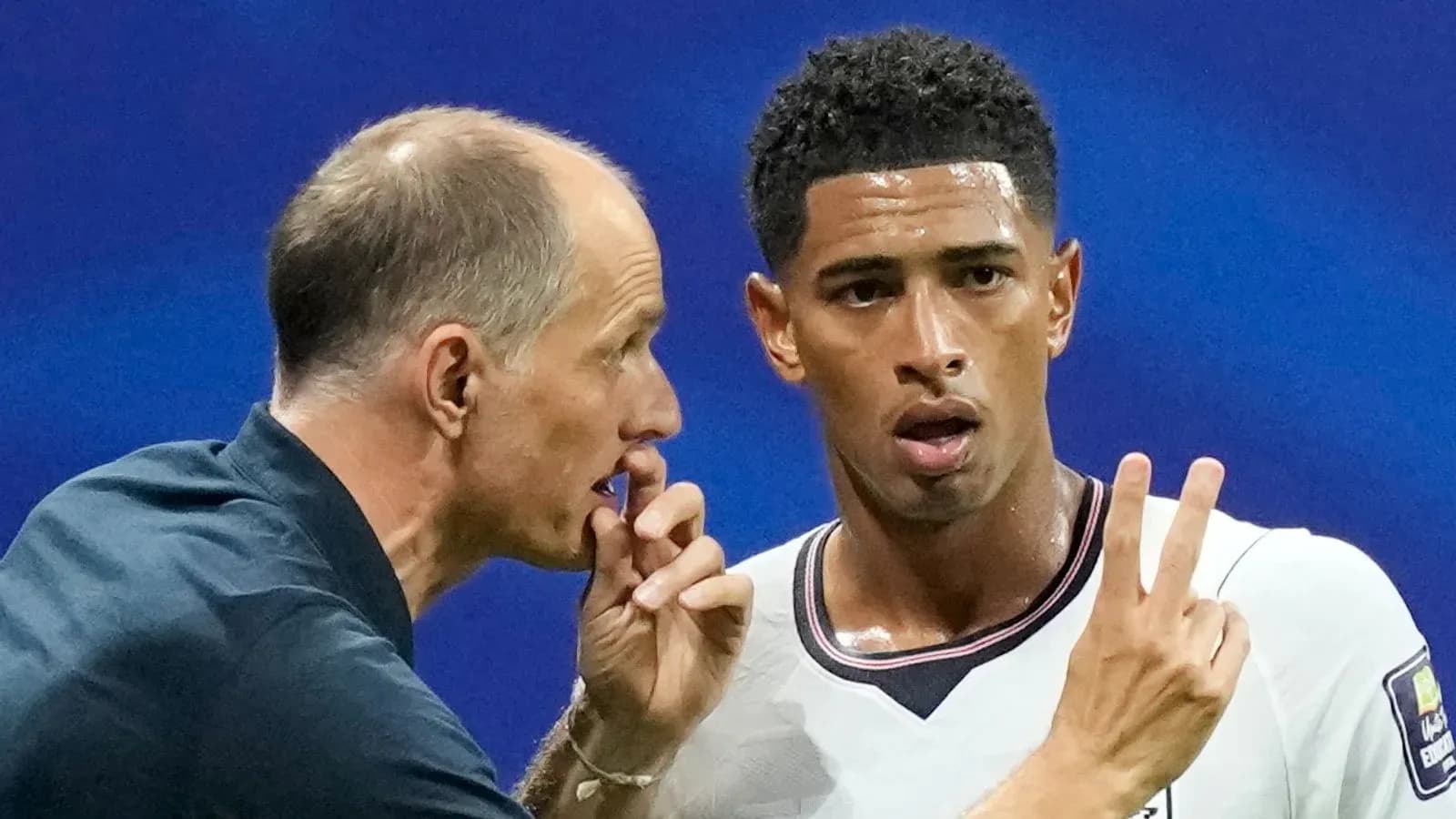
Thomas Tuchel's Gamble in World Cup Semi-Final
Thomas Tuchel walked into this World Cup as England’s gambler-in-chief. He ripped up the safe, familiar script. A squad few others would have chosen. A backs-to-the-wall win over Mexico with 10 men. Morgan Rogers starting a World Cup semi-final on what he called “a feeling from the coach”.
For a while, it looked like the jackpot.
The first draft of a famous night was already being written when Anthony Gordon arrived at the back post to bury Rogers’ cross. Tuchel’s latest hunch had come off again. England led Argentina, the reigning world champions, in a World Cup semi-final. The stadium crackled. The narrative wrote itself.
Then, in seven brutal minutes, it all collapsed.
The real hinge moment did not come with Lionel Messi on the ball, or with Argentina pouring forward in desperation. It came in the 71st minute, when Gordon’s number went up and Ezri Konsa came on.
Tuchel’s decision to retreat into a back five against the best team on the planet is easy to shred in hindsight. It felt just as uneasy in real time. England were under pressure, yes, but they were still carrying a threat. They still had a route out.
They have been here before. Too often.
England have now scored first in seven of the 13 knockout games they have lost over the last 30 years. They are the only team this century to take the lead in a World Cup semi-final and not reach the final. They have now managed that twice.
So when Gordon scored, the sense of déjà vu was not far away. England’s response only fed it. In the 15 minutes after the goal, they had just 17 per cent of the ball and only nine touches in Argentina’s half. The team shrank, step by step, towards their own penalty area. The freeze began.
And yet, Argentina had not truly carved them open. Aside from Nico Gonzalez’s header, Jordan Pickford had little to do of substance. England were wobbling, but they were not broken.
Then came the change.
Konsa’s introduction on 72 minutes, and the shift to a back five, did not steady England. It amplified their anxiety. It also removed their most direct outlet: Gordon, the one player stretching Argentina and forcing them to turn.
Rogers, moved inside to operate behind Harry Kane alongside Jude Bellingham, disappeared from the game. Between the tactical reshuffle and Lautaro Martinez’s winner, he had just one touch. One.
Across those 21 minutes, England’s possession fell off a cliff to 7.2 per cent. Eight touches in the opposition half. No crosses. No pressure. No threat.
Tuchel seemed to be reaching for a familiar blueprint. A 3-4-3, with Djed Spence and Reece James flying on the flanks, has been a staple of his career. The idea was obvious: soak, spring, punish.
The reality was stark. Between them, James and Spence touched the ball once in Argentina’s half for the rest of the game. The wing-backs never became weapons. They became extra defenders in a siege.
With so few England shirts beyond the ball, possession kept coming straight back. And when you keep giving the ball to a side built on passing football, with Messi lurking between the lines, you invite the inevitable.
Wave after wave came. England could not get out. Konsa, brought on to solidify, never won the ball back once. He did lose it five times. The back five sank deeper, the midfield lost its grip, and Messi started to dictate. He turned provider for both Argentina goals, the punishment for England’s retreat.
Tuchel has built a reputation as a coach who can read a game in motion, who is not afraid to admit a mistake and change again. In Mexico City, he did exactly that: bold attacking changes, a crucial defensive tweak, and a stirring half-time team talk against Croatia earlier in the tournament had all fed the belief that England finally had an elite in-game manager.
Not here. Not on the night that mattered most.
As Argentina surged and the pattern became painfully clear, Tuchel did not rip up his plan. He doubled down. Dan Burn came on. Nico O’Reilly arrived. The cavalry were defenders and a youngster, not the attacking alternatives many expected when England were crying out for a release valve higher up the pitch.
Perhaps that Mexico win lingered too strongly in his mind. England had survived with 10 men by defending their box heroically and inviting crosses they were happy to clear. Against a Mexico side slinging balls into the area, it worked.
Argentina are not Mexico. A team built to pass through you, with Messi threading passes instead of hurling crosses, were never going to play to that script. Tuchel knew it on paper. In the heat of the semi-final, his choices suggested otherwise.
He was hired to take England beyond the ceiling Gareth Southgate kept banging his head against. Under Southgate, England generally beat the teams they were supposed to beat and fell short when the stakes and the opposition rose. Tuchel was meant to be the upgrade, the man who would tilt the tight nights against the giants.
On this evidence, that story has not changed.
There will be time to revisit the good: the surge against Croatia, the bravery in Mexico City, the flashes that suggested England had finally found a coach who could bend big games to his will. Tuchel has already committed to seeing out his two-year extension to Euro 2028. The project is not over.
But for the next two years, one image will linger above all others: England leading a World Cup semi-final, the game tilting their way, and their head coach reaching once more for the comfort blanket of defence-first football he had promised to leave behind.
One throw of the dice too many. And this time, it came up short.




