Spain’s Evolution: From Arrogance to World Cup Contender
There was a time when Spain walked into every major tournament as if it owned the place. From 2008 to 2012, La Roja didn’t just win; they rewrote the sport’s operating manual. Euro 2008, World Cup 2010, Euro 2012 – a four-year spell that made the rest of the world feel like sparring partners.
Then it all collapsed.
The decade that followed was a carousel of false dawns and failed resets, a proud football nation forced to swallow humility by the spoonful. Managers came and went, ideas flickered and died, and the “untouchable” aura vanished.
Now, heading into the 2026 World Cup in North America, Spain return not as entitled monarchs but as something more dangerous: a team that knows exactly what it is.
They arrive as European champions. They arrive after slicing through Croatia, Italy, Germany, France and England at Euro 2024. And under Luis de la Fuente, they arrive looking less like a fragile superpower and more like a beautifully calibrated machine.
From Arrogance to a Healthier Hunger
The relationship between Spain and its national team used to be suffocating. Win or be branded a disgrace. Anything short of perfection felt like failure.
That edge has softened. The scars of the post-2012 years have changed the conversation around La Roja. Fans no longer demand omnipotence; they ask for commitment, identity, and a sense that the team belongs on the big stage again.
The scepticism that swirled before Euro 2024 proved a turning point. Luis de la Fuente was doubted, dissected, dismissed in some quarters. Hope was thin. That climate turned into fuel. Spain went into the tournament with a point to prove, and proved it ruthlessly.
They were consistently the best side in Germany. They outplayed the traditional heavyweights, outlasted the tournament’s emotional favourites, and walked away with the trophy – and with something even more valuable: renewed trust.
Now the mood is different. Confident, not cocky. Supportive, not suffocating. Spain expect to go deep in this World Cup, but the old ultimatum – win or be failures – has lost its grip.
The Wingers Spain Dare Not Lose
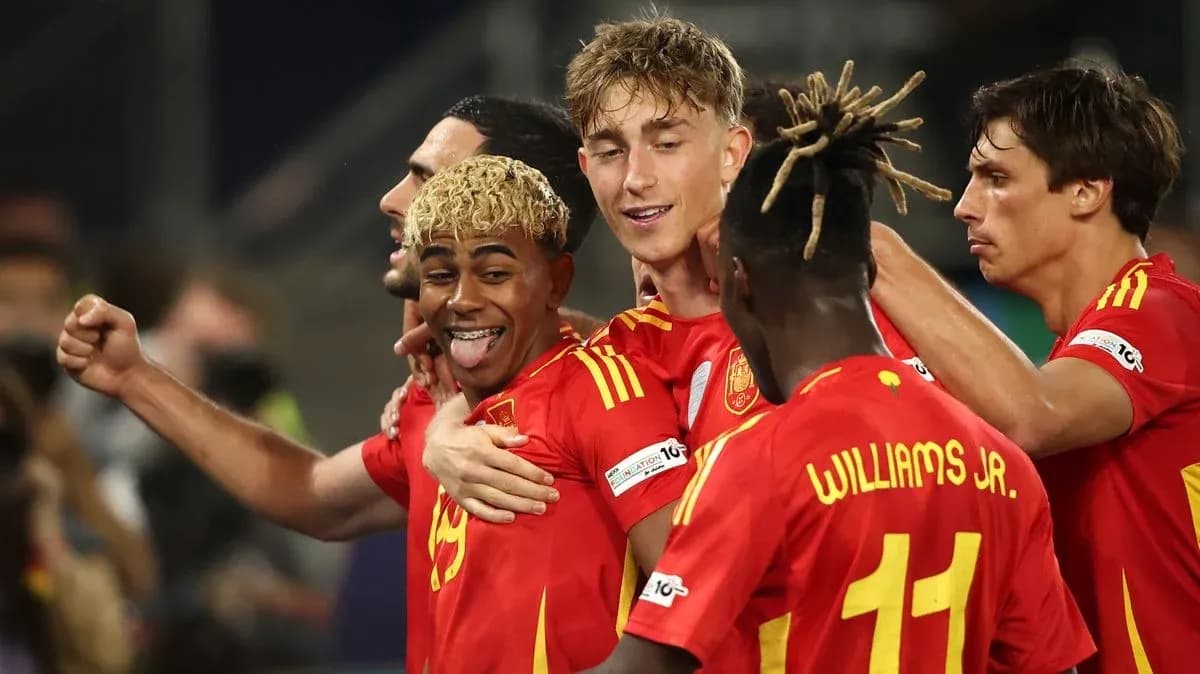
If Spain are to climb to the summit again this summer, two names sit at the heart of their attacking threat: Lamine Yamal and Nico Williams. Both are electric. Both are irreplaceable in what they bring. Both are causing a few sleepless nights.
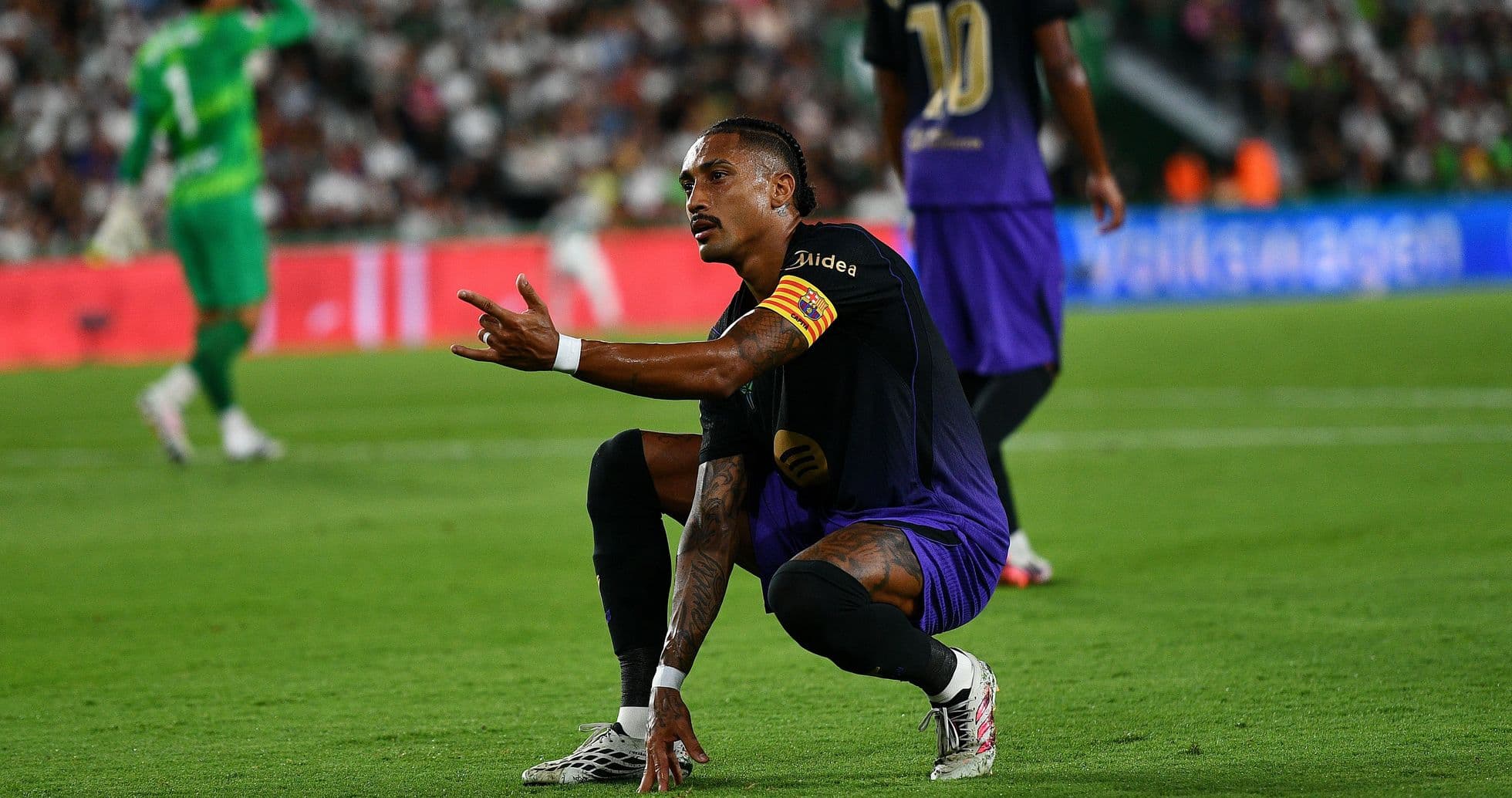
Yamal, the Barcelona prodigy, suffered a hamstring injury in April. He is expected to make the World Cup, but nobody can be sure what version of him will turn up in the opening game. When he is right, he changes everything.
He drifts, he darts, he destabilises. He has started to slide into that “Messi zone”, popping up between the lines, stepping inside, inviting chaos. One feint, one pass, one shot – he can tilt a match on its axis.
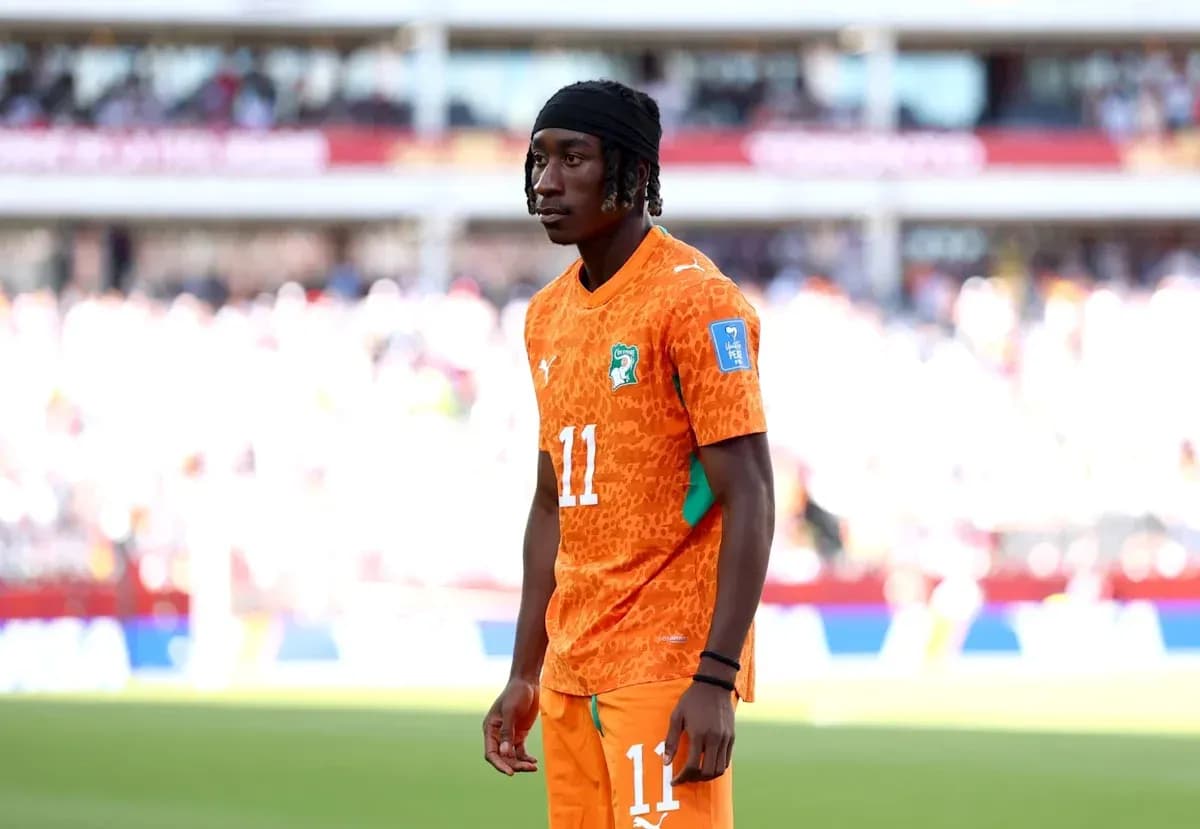
On the opposite flank, Nico Williams has become just as vital. At Euro 2024 he was arguably Spain’s standout performer, a winger who combines raw pace with real end product. His own hamstring issue in May sparked more alarm, though the early word is kinder: he should be fit in time to train and compete.
Spain’s structure can survive without one or even both of them. This is not a team built on individualism. But to win the whole thing? To go from contenders to champions? They need Yamal and Williams not just present, but at full throttle.
Midfield: Where Spain Still Rule the World
If there is one area where Spain still outgun almost everyone, it is the middle of the pitch. Their options read like a superclub’s fantasy shortlist.
- Rodri, the metronome and enforcer at Manchester City.
- Pedri, Barcelona’s creative compass.
- Gavi, all teeth and tackles and relentless energy.
- Dani Olmo, the line-breaker and goal threat.
- Martin Zubimendi and Mikel Merino, Arsenal’s intelligent, adaptable pair.
- Fabian Ruiz of PSG, a technician who glides through games.
The choice is obscene. The hierarchy, though, is clear. As long as Rodri and Pedri are fit, they start. Non-negotiable. Rodri anchors and dictates, scanning everything, closing passing lanes before they exist. Pedri knits it all together, finding space where others see only traffic.
Around them, De la Fuente can mix and match. Want more bite and chaos? Gavi. Want an extra runner and scorer? Dani Olmo. Need control and balance? Zubimendi, Merino, Fabian. Spain can adapt without losing their identity.
They will, however, miss Fermin Lopez. The Barcelona midfielder, who produced 30 goal contributions this season, broke his foot and has been ruled out after surgery. He looked primed to be one of the tournament’s breakout stars, a late-arriving, goal-hungry presence from midfield. His absence stings.
Yet Spain’s trump card remains versatility. So many of their players can slide between roles, tweak positions, and still maintain fluency. Even the backup to Rodri – Zubimendi – offers a near like-for-like option. Few nations are so lavishly stocked in the centre of the pitch.
The Old Wound Up Front
For all that elegance in midfield, one problem refuses to go away. Spain still do not produce the classic, ruthless centre-forward their system cries out for.
They have not truly replaced David Villa or Fernando Torres – the last great “fox in the box” finishers who could turn half-chances into headlines. Since then, the country has churned out midfielders by the dozen but very few natural predators in the penalty area.
Alvaro Morata has carried the shirt with professionalism and moments of quality, but he has never quite fitted that cold-blooded mould. The same question lingers now.
Mikel Oyarzabal is expected to lead the line at this World Cup. He scored the winner against England in the Euro 2024 final, a moment of composure on the biggest stage, and he understands the system inside out. He links play, works hard, and moves smartly.
What he doesn’t do is terrify defenders by sheer presence. Opponents fear Spain’s midfield more than its No. 9. That imbalance remains the obvious chink in an otherwise polished armour.
A Nation of Football Philosophers
Spain’s influence on modern football runs far beyond its national team. Look at the Premier League dugouts: Pep Guardiola, Mikel Arteta, Unai Emery, Xabi Alonso, Andoni Iraola. Different personalities, different styles, but a shared heritage.
That lineage is not an accident. In Spain, football is treated as a language. From childhood, players are taught not just how to pass or press, but why. They grow up debating systems, shapes, pressing triggers. Everyone, it seems, fancies themselves a strategist.
The romance lies in the details. Spanish coaches obsess over the collective, the choreography of 11 moving parts. Even when they were players, figures like Guardiola and Xabi Alonso read the game like managers in boots.
Humility and work ethic underpin that culture. The star is the system. The individual shines because the structure allows it. That philosophy is etched into the way Spain play – and into the way their managers export their ideas across Europe.
The Road Through North America
Spain’s World Cup journey begins in a group that looks, at first glance, manageable: Cape Verde, Saudi Arabia and Uruguay.
Cape Verde arrive as debutants. Dangerous in their own right, organised and ambitious, but stepping into a level they have never experienced before. Saudi Arabia bring discipline and structure, a team that can frustrate and delay, but Spain should have the tools to unpick them.
Uruguay are different. Uruguay are a test.
They are intense, aggressive, streetwise – and far more technically polished than many give them credit for. If they decide to turn the game into a fight, they can. If they want to drag Spain into a scrap, they know how. That fixture could shape the entire group narrative.
Spain, though, should expect to advance with authority. Seven to nine points is a realistic target. Top the group, avoid early chaos in the knockouts, and the path opens up.
And this is where the new Spain steps into focus. Not the fragile giant of the last decade, not the invincible machine of 2008–2012, but something in between: a balanced, battle-hardened contender with scars, stars and structure.
The belief around this team is not shy. Those close to La Roja see them not just as dark horses or plucky semi-finalists, but as rightful favourites to walk into the final – and win it.
Spain once strode into tournaments expecting the world to bow. This time, they don’t need the arrogance. They have something far more convincing: the football to back it up.