England's World Cup Journey: Progress Amidst Uncertainty
England march into the last 32 having ticked the biggest box of the group stage: finish top. Job done.
Everything else? Still a work in progress.
A team still in pencil, not ink
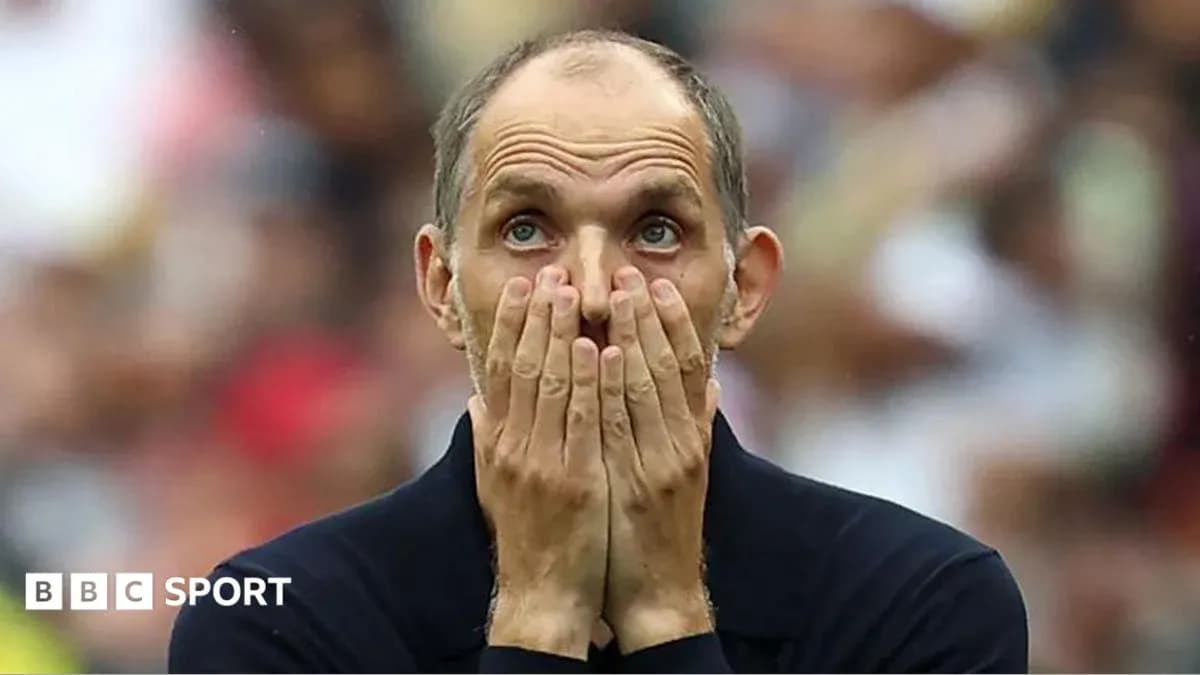
Three games in, and Thomas Tuchel’s England do not look like a side with a settled identity. They look like a manager still shuffling magnets on the tactics board, still asking questions about who he can trust when the tournament tightens.
The chopping and changing has been relentless. Full-backs, wingers, centre-backs – nothing has truly bedded in. England have reached the knockout phase without a clear idea of their best XI, or even their best back four, and that is a dangerous place to be at a World Cup.
Tuchel’s search has been most obvious out wide. In 270 minutes, he has already used nine different full-back–winger combinations across both flanks, involving eight players. That is not rotation from a position of strength; that is a manager still hunting for the right blend.
Injuries have cut across his plans. Reece James and Jarell Quansah have both gone down at right-back. Bukayo Saka has not been fully fit. Yet the end result is stark: England have not offered a consistent threat down either wing, and the constant reshuffling at the back has damaged their defensive rhythm.
They have looked uncomfortable whenever opponents have run at them. That is the nagging worry that sits behind all the positives.
The spine that refuses to bend
For all that uncertainty, some players have risen above the noise.
Elliot Anderson was outstanding against Panama, driving England forward with the kind of authority that makes a manager’s decision for him. Jude Bellingham took man-of-the-match honours and deserved every syllable of the praise. Harry Kane did what Harry Kane does: he scored.
Add Jordan Pickford and Declan Rice and you have a spine you can trust. Five players you can lean on when the game turns hostile, when the plan frays, when the stadium tightens.
This is the paradox of England at this World Cup. The structure creaks, but the stars keep bailing it out. Tuchel has not yet coaxed a fluent, chance-creating system from this group, but he knows his big names can flip a match in a heartbeat.
Ideally, England would not need a moment of individual genius to crack games open. Bellingham’s winner against Panama, turning in Saka’s corner, came from almost nothing. The side had not been building wave after wave of pressure; they were labouring, short of ideas, short of incision.
Then the set-piece came. The pressure finally told, not through a crafted move in open play, but through the ruthlessness of a world-class midfielder attacking a dead ball.
The delivery was nothing special. Bellingham made it special. He bullied his way to the ball, married strength with balance, and turned a routine corner into a decisive moment. Once he scored, there was only one likely outcome.
England have always known the value of set-pieces at major tournaments. This campaign is no different. When the system stalls, the dead ball becomes the release valve.
A blunt edge out wide
The next step is obvious: sharpen the threat from the flanks.
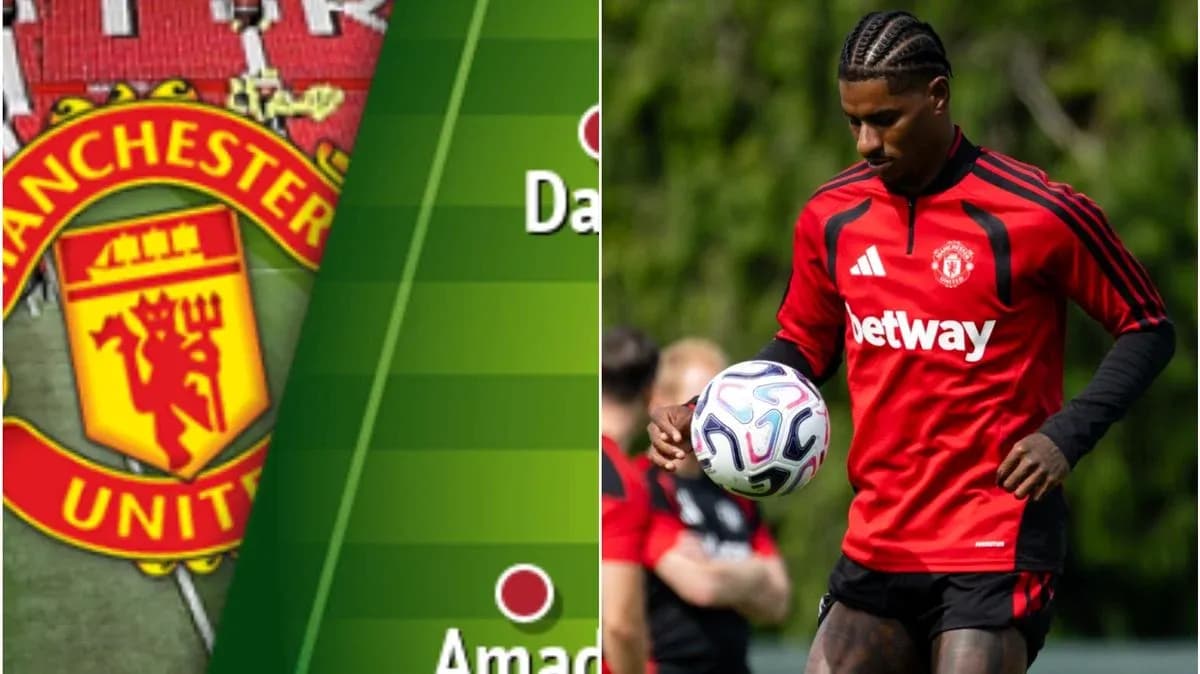
Against Panama, Marcus Rashford and Saka both drifted inside, each looking to whip inswinging crosses towards goal – Rashford cutting in from the left on his right foot, Saka doing the opposite. Those balls are food and drink for defenders. They can hold their line, step forward, clear.
England look far more dangerous when their wide players go on the outside and hit crosses from the byline or the channel, the way Bellingham did for Kane’s goal. That kind of delivery gives a striker a clear trigger: he knows when the ball is coming and can attack it with conviction.
So far, we have not seen the best of this England attack in open play. The talent is there. The chemistry is not. The shape has flickered rather than flowed.
The real concern: cracks at the back
Up front, the issues feel solvable. At the back, the pattern is far more alarming.
England have been opened up in every game. Croatia exposed them badly in the first half and scored twice. Ghana and Panama both created chances and found England’s back line unsure of itself, even if they failed to cash in.
These are not one-off lapses. They are recurring themes. A line that steps up too late. Gaps between full-back and centre-back. Midfielders not quite screening. As the quality of opposition rises, those same errors will be punished more ruthlessly, and there will be less time to repair the damage.
At past tournaments, England’s defence has not always been elite, but it has usually been settled. Familiarity brought a measure of security. This time, the back four feels like a revolving door.
That is unlikely to change against DR Congo. Another reshuffle looms. Djed Spence could return at right-back, or Ezri Konsa might slide across from centre-back. John Stones may partner Marc Guehi – if Guehi is fit enough to start.
Some of Tuchel’s changes have been enforced. Others are gambles. He has backed players with known injury records and is now paying the price with limited continuity. The manager is not just picking a team; he is managing risk every time he writes a team sheet.
DR Congo next – and no hiding place
DR Congo will not surprise England with their approach. Expect a familiar picture: deep defensive blocks, bodies behind the ball, and sharp counters when the chance appears. Ghana and Panama have already provided that template.
The onus will again be on England to break them down, to move the ball quicker, to cross with more purpose, to pin them in and suffocate their counter-attacks. It is another examination of what this side have actually learned across three uneven group games.
Tuchel must also decide whether to finally draw a line under the defensive tinkering. Whoever he chooses in that back four against DR Congo, he needs it to work – not just for one night, but for the rounds to come.
Because this is where the tournament begins to narrow. Get through DR Congo and England are staring at Mexico or Ecuador. The margin for error shrinks. The cost of chaos at the back rises.
England have the talent to go deep at this World Cup. They have the stars. They have the spine. What they do not yet have is stability.
At some point very soon, Tuchel will have to stop searching and start trusting a back line to carry England where they believe they belong.